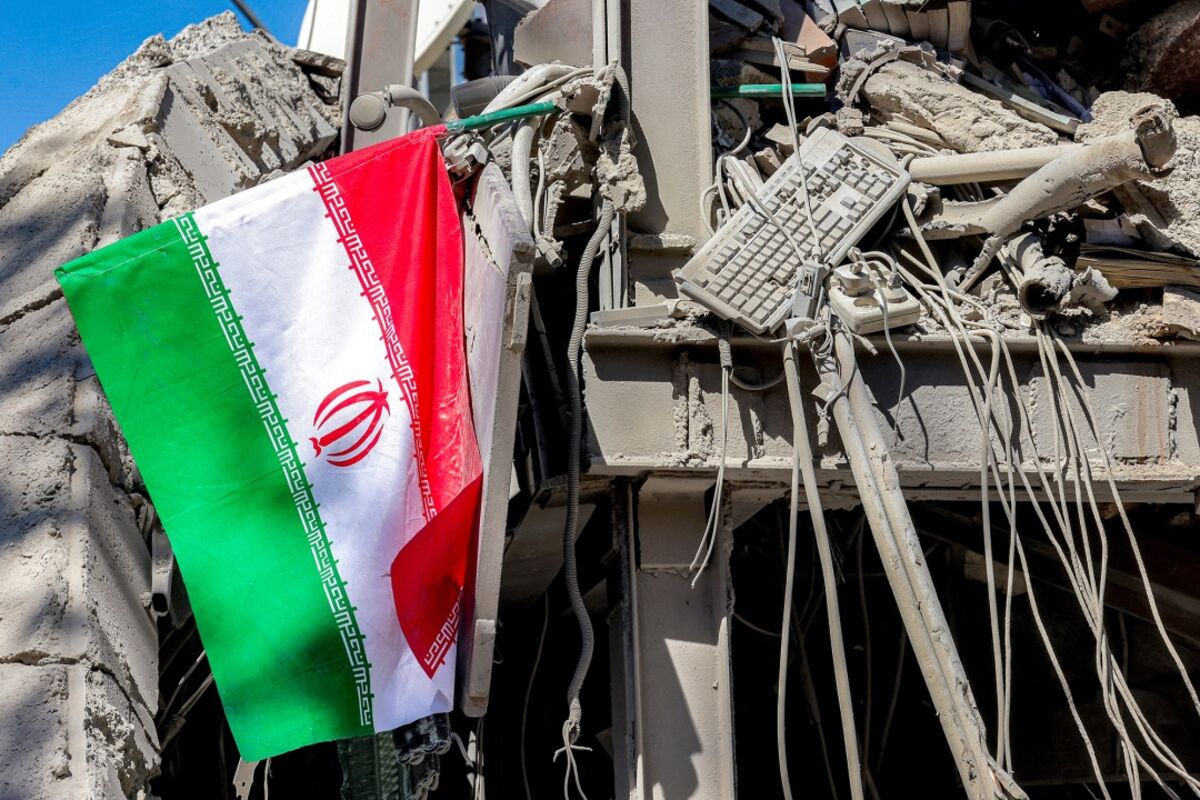
Pakistan Mediates US-Iran Ceasefire Amid High Tensions
President Donald Trump agreed to a two-week ceasefire with Iran on Tuesday, April 7, 2026, following an urgent mediation effort by Pakistani Prime Minister Shehbaz Sharif. The deal suspends planned U.S. Military attacks in exchange for the immediate opening of the Strait of Hormuz to ensure safe maritime transit.
The world spent Tuesday on a knife’s edge, staring down a deadline that President Trump had framed in apocalyptic terms. With a promise to bomb Iran back to the “stone ages” or destroy its “civilization,” the administration had set a hard cutoff of 8 p.m. ET. For nearly six weeks, the region had already endured bombing campaigns, but the threat of a total escalation created a global panic that transcended borders.
This was not merely a diplomatic spat; it was a systemic threat to global energy security. The Strait of Hormuz is the world’s most critical oil chokepoint. Any prolonged closure or military conflict in these waters triggers immediate volatility in global markets, forcing corporations to scramble for global shipping consultants to reroute supply chains and mitigate catastrophic losses.
The Islamabad Intervention: Flattery as Diplomacy
The resolution did not come from traditional Western diplomatic channels, but from Islamabad. Prime Minister Shehbaz Sharif and military chief Field Marshal Asim Munir stepped into the vacuum, leveraging a relationship built during a September 2025 visit to the White House, where they met with Trump, Vice President JD Vance, and Secretary of State Marco Rubio.
Sharif’s approach was a calculated blend of urgency and high-level appeal. He issued a public plea to the President, arguing that diplomatic efforts were “progressing steadily, strongly and powerfully.” By framing the request as a way to allow diplomacy to “run its course,” Sharif provided Trump with a face-saving exit from his own ultimatum.
“To allow diplomacy to run its course, I earnestly request President Trump to extend the deadline for two weeks.” — Prime Minister Shehbaz Sharif
Trump’s response revealed the personal nature of this diplomacy. While he initially dismissed the ceasefire proposals on Monday as “not excellent enough,” he eventually yielded, citing his personal respect for Sharif, whom he described as a “highly respected man, all over.” This reliance on personal rapport over institutional protocol highlights a shift in how geopolitical crises are currently managed.
The Hormuz Discrepancy: A Fragile Truce
While the ceasefire is active, the terms of the “goodwill gesture” regarding the Strait of Hormuz remain a point of dangerous contention. The deal hinges on the waterway’s opening, but the two powers are speaking different languages regarding what “open” actually means.
President Trump demanded the “COMPLETE, IMMEDIATE, and SAFE OPENING” of the Strait. However, Iranian Foreign Minister Abbas Araghchi, confirming the ceasefire via X, noted that passage through the waterway would need to be conducted “under the auspices of the Iranian armed forces.”
This distinction is critical. To Washington, “auspices” of the Iranian military looks like a continued blockade or a hostage situation for commercial shipping. To Tehran, it is a matter of national sovereignty. This ambiguity creates a legal and operational minefield for international shipping companies. Many are now turning to international law firms to navigate the complex liability and insurance risks associated with operating in a zone where “safe passage” is defined by the opposing party.
Timeline of the 11th Hour Deal
The progression from the brink of war to a temporary truce happened with jarring speed:

- Monday, April 6: Trump declares the current ceasefire proposals are “not good enough” and reinforces the Tuesday 8 p.m. ET deadline.
- Tuesday Afternoon: PM Shehbaz Sharif makes a direct appeal for a two-week extension and urges Iran to open the Strait of Hormuz.
- Tuesday, 6:30 p.m. ET: Just 90 minutes before the deadline, Trump posts on Truth Social agreeing to suspend military attacks for two weeks.
- Tuesday Evening: Iranian Foreign Minister Abbas Araghchi confirms the ceasefire, though with caveats regarding the control of the Strait.
The speed of this resolution underscores Pakistan’s long-standing role as a backchannel between rival powers, a strategy that has historically allowed for communication when official channels are severed. For more on the history of these diplomatic pivots, Al Jazeera has provided extensive analysis on Pakistan’s mediation role.
The Macro Impact: Beyond the Ceasefire
The immediate crisis has subsided, but the structural instability remains. The two-week window is not a peace treaty; it is a pause. The global economy cannot function on 14-day increments of stability. The threat of “destructive force” remains a tool of the U.S. Administration, and the Iranian regime continues to use the Strait of Hormuz as a geopolitical lever.
For regional businesses and municipal governments in the Gulf and surrounding areas, the uncertainty is a catalyst for diversifying infrastructure. We are seeing an increase in the demand for geopolitical risk analysts to help firms decide whether to invest in alternative pipelines or permanent relocation of assets away from the Persian Gulf.
The current situation is being tracked closely by major news agencies, including AP News and the Hindustan Times, as the world waits to see if the “goodwill gesture” of opening the Strait is fully realized or if it becomes the catalyst for the very bombing campaign it was meant to prevent.
The current truce is a victory for mediation, but it is a hollow one if the underlying disputes over maritime sovereignty are not resolved. We are operating in an era where the difference between global stability and total war is a single social media post and a phone call between a President and a Prime Minister. As the two-week clock ticks down, the need for verified, professional guidance in law, logistics, and risk management has never been more acute. To find the experts capable of navigating this volatility, the World Today News Directory remains the definitive resource for those who cannot afford to leave their security to chance.