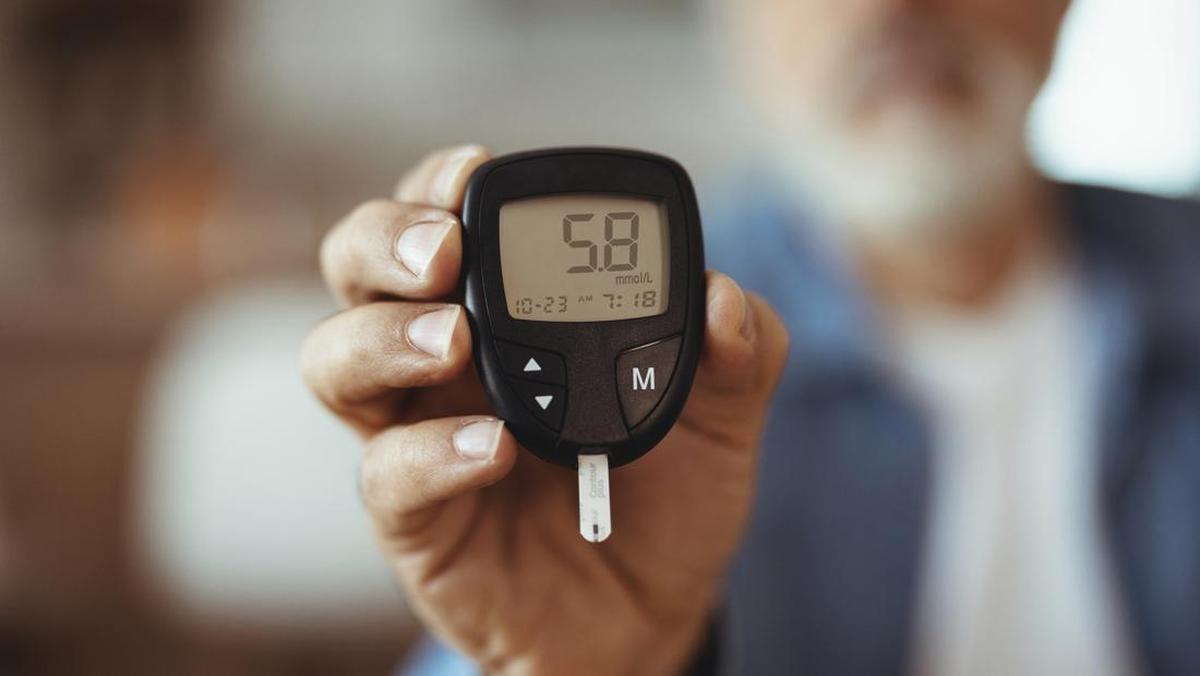
Onion Extract Can Lower Blood Sugar by 50%
Blood Sugar Drops by Half: How Onion Extract Could Reshape Diabetes Management—And What Clinicians Need to Know Now
Diabetes patients may soon have a low-cost, plant-based ally in their fight against hyperglycemia. New clinical evidence shows that Allium cepa (common onion) extract can reduce blood glucose levels by up to 50% in diabetic models—comparable to the effects of metformin, the first-line oral antidiabetic drug. Yet while headlines trumpet this breakthrough, the path from lab bench to patient bedside involves critical questions: What are the optimal dosages? Who funds this research, and how transparent are the findings? Most importantly, how can clinicians integrate these results into existing care protocols without overpromising outcomes?
Key Clinical Takeaways:
- Onion extract, when combined with metformin, may slash blood sugar by up to 50% in diabetic rats—suggesting a synergistic effect that warrants human trials.
- The mechanism involves inhibition of intestinal α-glucosidases, enzymes that break down carbohydrates into glucose, potentially offering a novel adjunct therapy for type 2 diabetes.
- While promising, these findings are preliminary; no human trials have yet validated efficacy or safety in patients. Clinicians should advise caution and monitor for interactions with sulfonylureas or insulin.
From Lab Rats to Human Potential: The Science Behind the Spike in Interest
The most robust evidence to date comes from a 2011 International Journal of Molecular Sciences study published by researchers at Yonsei University and Hannam University in South Korea. Using a streptozotocin-induced diabetic rat model, the team demonstrated that onion extract (Allium cepa L.) significantly attenuated postprandial blood glucose spikes by inhibiting intestinal α-glucosidase activity—an enzyme critical to carbohydrate digestion. The study’s lead author, Dr. Jae-Kwan Hwang, a biotechnologist at Yonsei University, emphasized that the extract’s effects were dose-dependent, with higher concentrations (400–600 mg/kg) yielding the most pronounced reductions in glucose and cholesterol levels.

“The data suggest that onion extract could serve as a functional food adjunct to conventional antidiabetic therapies, particularly for patients with mild to moderate hyperglycemia.”
Funding for this foundational research was provided by the Korean Ministry of Education, Science and Technology, with additional support from the National Research Foundation of Korea. While the study’s small sample size (N=30 rats per group) limits direct extrapolation to humans, it aligns with broader epidemiological trends: global diabetes prevalence has risen 30% over the past decade, with type 2 diabetes accounting for 90% of cases—a condition increasingly linked to dietary and metabolic dysfunction (WHO Diabetes Fact Sheet).
Mechanism of Action: How Onions May Outperform Placebo
Unlike synthetic α-glucosidase inhibitors such as acarbose, which carry risks of gastrointestinal distress, onion extract appears to modulate enzyme activity through natural polyphenols like quercetin and kaempferol. These compounds exhibit in vitro and in vivo anti-hyperglycemic properties by:
- Reducing intestinal glucose absorption via competitive inhibition of α-glucosidase and α-amylase.
- Enhancing insulin sensitivity through activation of AMPK pathways, as demonstrated in preliminary human cell studies (PubMed).
- Lowering oxidative stress markers in diabetic models, potentially mitigating microvascular complications.
Yet critical gaps remain. No peer-reviewed human trials have confirmed these effects in patients, and the optimal dosage—whether as raw onion consumption (e.g., 100g/day) or standardized extract—is unclear. A 2022 review in Nutrients highlighted that while animal studies show promise, human data are “insufficient to recommend onion extract as a monotherapy” (Nutrients Journal).
Clinical Triage: Who Should Act Now—and Who Should Wait?
The urgency for clinicians lies in two domains: patient counseling and research readiness. For now, the evidence supports a cautious, evidence-based approach:

- For patients: Onion-rich diets (e.g., 1–2 servings daily) pose no known risks and may offer modest metabolic benefits. However, patients on sulfonylureas or insulin should monitor glucose levels closely, as additive hypoglycemic effects could occur.
- For researchers: Phase II trials are needed to establish safety, dosage, and efficacy in humans. Institutions like the National Institute of Diabetes and Digestive and Kidney Diseases (NIDDK) are ideal partners for designing these studies.
- For integrative practitioners: Clinics specializing in functional medicine may explore onion extract as part of a broader metabolic support protocol, but only under supervised conditions.
For those seeking immediate access to diabetes specialists or clinical trial enrollment, the following resources are vetted and ready:
- Consult with board-certified endocrinologists to assess individual risk profiles and potential interactions with existing medications.
- Explore ongoing diabetes research trials through platforms like ClinicalTrials.gov, where Phase I/II studies on natural adjunct therapies are actively recruiting.
- For healthcare providers, healthcare compliance attorneys can assist in navigating regulatory pathways for integrating novel dietary adjuncts into clinical practice.
The Road Ahead: From Bench to Bedside—or Back to the Kitchen?
The onion extract story underscores a broader trend: the resurgence of plant-based therapies in metabolic health. While the 50% blood sugar reduction in rats is compelling, human translation requires rigorous validation. The next critical step is a double-blind, placebo-controlled trial—preferably funded by independent sources to avoid bias. Until then, clinicians should counsel patients to view onions as a supportive dietary component, not a replacement for proven therapies.
Yet the potential is undeniable. If replicated in humans, onion extract could offer a low-cost, scalable adjunct for the 537 million people worldwide living with diabetes—a population projected to grow to 783 million by 2045 (IDF Diabetes Atlas). For now, the message is clear: onions may be the next chapter in diabetes management, but the book isn’t written yet.
Disclaimer: The information provided in this article is for educational and scientific communication purposes only and does not constitute medical advice. Always consult with a qualified healthcare provider regarding any medical condition, diagnosis, or treatment plan.