
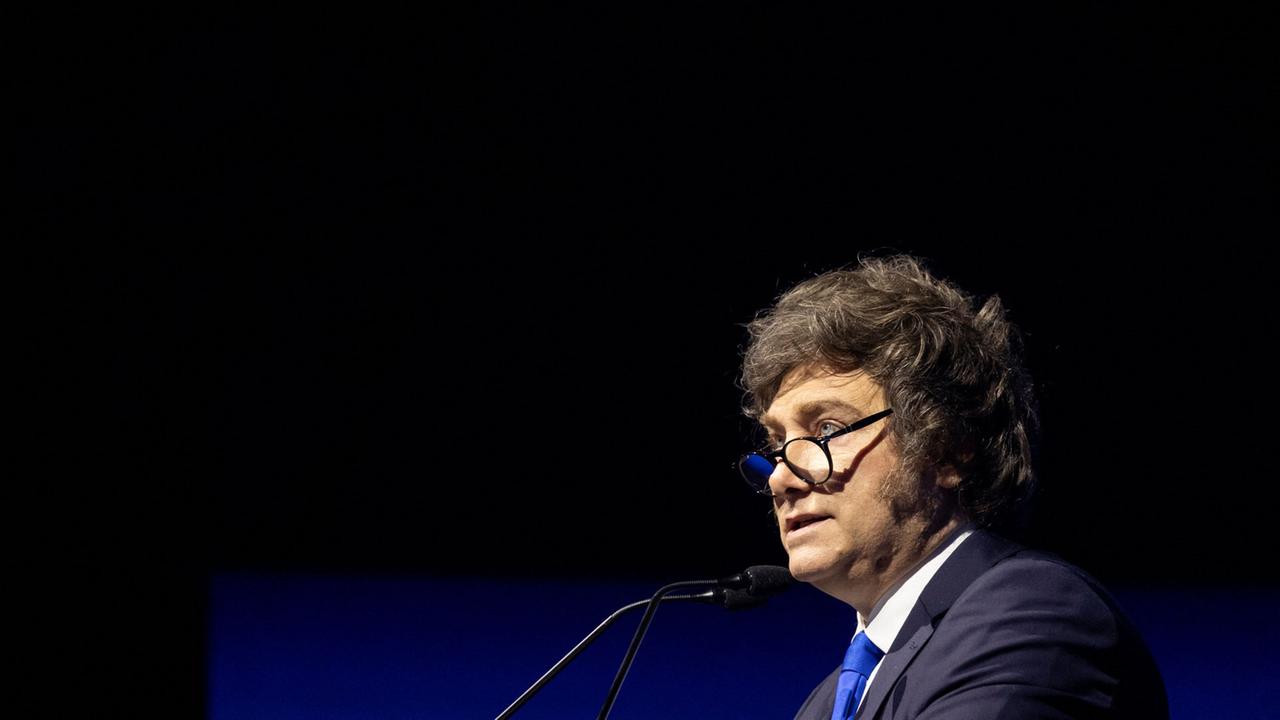
G20 Summit Faces Further Disruptions as Leaders Scale Back Attendance
JOHANNESBURG - Mounting geopolitical tensions and domestic political concerns are contributing to a diminished presence of heads of state at the G20 summit in South Africa this weekend, raising questions about the group’s ability to forge consensus on critical global challenges. German officials have expressed low expectations for substantial outcomes from the meeting, citing “notable differences in content” among member nations.
The evolving attendance list underscores a broader trend of strained international cooperation and increasing nationalistic priorities. While the summit aims to address pressing issues like climate change, global economic stability, and sustainable development, the absence of key leaders complicates efforts to reach unified agreements. Germany, represented by Chancellor Friedrich Merz, views maintaining the framework for international dialog as crucial despite the anticipated lack of major breakthroughs.
According to German government sources, the possibility of a joint final declaration outlining common goals remains uncertain. Representatives conveyed to Reuters that the G20 is deeply divided on key policy areas.
Looking ahead, the United States’ hosting of the 2025 summit is already generating discussion. Former President Donald Trump has selected the “doral” – one of his luxury golf resorts near Miami, Florida – as the location, signaling a possibly insular approach to the G20 chairmanship.
