
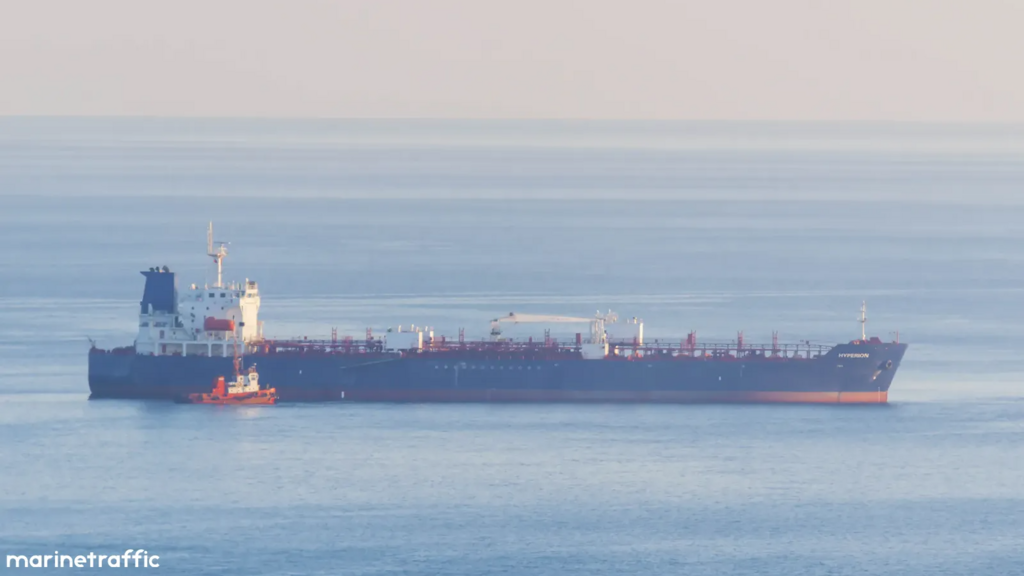
US Seizes Oil Tanker Linked to Venezuela, Highlighting Russian Support for ‘Dark Fleet’
The United States government announced Wednesday the seizure of the oil tanker Marinera in the north Atlantic. The vessel, previously known as the Bella 1, had attempted to evade capture by changing its name and re-registering under the russian flag during a pursuit by U.S.authorities. this incident is not isolated, with experts indicating a pattern of moscow providing cover – through flag registration and potential protection – to a growing network of ships, ofen referred to as a “dark fleet,” seeking to bypass international sanctions and restrictions.
The Seizure of the Marinera: A Timeline
The Marinera’s journey to seizure is a complex one, marked by attempts to obscure its origins and purpose.Initially identified as the Bella 1, the tanker reportedly has links to Venezuela, a nation facing significant economic sanctions from the U.S. government. As U.S. authorities moved to intercept the vessel, it underwent a name change to Marinera and switched its flag registration from an undisclosed country to Russia. This maneuver suggests a deliberate effort to exploit the protections offered by the Russian Federation.
While the exact details surrounding the seizure remain somewhat opaque, the U.S. government’s action underscores its commitment to enforcing sanctions and disrupting illicit oil trade. The Department of Justice released a statement confirming the seizure, citing violations of U.S.sanctions laws. The statement details how the vessel was used in a scheme to illegally export Venezuelan oil to China.
The Rise of the ‘Dark Fleet’ and Russia’s Role
The Marinera incident is symptomatic of a broader trend: the emergence of a “dark fleet” of tankers operating in the shadows to circumvent sanctions. These vessels often engage in ship-to-ship transfers,disabling Automatic Identification Systems (AIS) to mask their locations,and utilizing complex ownership structures to conceal their true beneficiaries. Reuters has extensively reported on this phenomenon, detailing how a network of aging tankers is being used to keep sanctioned oil flowing to international markets.
Experts believe russia is actively facilitating the operations of this dark fleet. By offering flag registration – a crucial element for legal operation on the high seas – and perhaps providing naval protection, Moscow is effectively shielding these vessels from scrutiny and enforcement actions.This support aligns with Russia’s broader geopolitical interests, as it seeks to challenge U.S. dominance and maintain economic ties with sanctioned nations like Venezuela and Iran.
“Russia is essentially providing a safe harbor for these vessels,” explains maritime security analyst Dr. Emily Harding at the Center for Strategic and International Studies. “The flag state has a duty to enforce international law, but Russia has shown a willingness to turn a blind eye to illicit activities provided that they serve its interests.”
Why Flag Registration Matters
A ship’s flag, also known as its state of registry, determines the laws under which the vessel operates. Flag states are responsible for ensuring their registered ships comply with international regulations related to safety, security, and environmental protection. They also have a duty to investigate and prosecute violations of international law.
However, some flag states are known as “flags of convenience,” offering lax regulations and minimal oversight in exchange for registration fees. These flags are frequently enough favored by ship owners seeking to avoid stricter rules and potentially engage in illicit activities. Russia’s willingness to register vessels linked to sanctions evasion raises concerns about its commitment to upholding international norms.
Implications for Global Energy Markets and Geopolitics
The activities of the dark fleet and Russia’s support for it have significant implications for global energy markets and geopolitics. By enabling the continued flow of sanctioned oil, these vessels undermine the effectiveness of U.S. and international sanctions aimed at curbing the revenue streams of rogue regimes. this, in turn, can prolong conflicts, destabilize regions, and exacerbate humanitarian crises.
Moreover, Russia’s actions demonstrate a willingness to actively challenge the U.S.-led international order. By providing a lifeline to sanctioned nations, Moscow is positioning itself as an alternative center of power and a champion of countries seeking to resist Western influence. This could lead to increased geopolitical tensions and a more fragmented global landscape.
Looking Ahead
the seizure of the Marinera is likely just the beginning of a broader crackdown on the dark fleet. The U.S. government is expected to continue targeting vessels involved in sanctions evasion, as well as the individuals and entities that facilitate their operations. However, effectively dismantling this network will require international cooperation and a concerted effort to address the underlying factors that drive the demand for sanctioned oil.
The role of Russia remains a key challenge. Pressuring Moscow to cease its support for the dark fleet will be crucial, but tough given the current geopolitical climate. Ultimately, a more comprehensive strategy is needed to address the complex interplay of economic incentives, political motivations, and regulatory loopholes that enable this illicit trade to flourish.
Key Takeaways
- The U.S. seized the oil tanker marinera, formerly the Bella 1, after it changed its flag to Russian in an attempt to evade capture.
- Russia is suspected of actively supporting a “dark fleet” of tankers used to circumvent international sanctions,notably those targeting Venezuela and Iran.
- Flag registration is a critical aspect of maritime law, and Russia’s willingness to offer flags of convenience raises concerns about its commitment to international norms.
- The dark fleet undermines the effectiveness of sanctions and has significant implications for global energy markets and geopolitics.
- Addressing this issue requires international cooperation and a comprehensive strategy to tackle the underlying drivers of illicit oil trade.
