
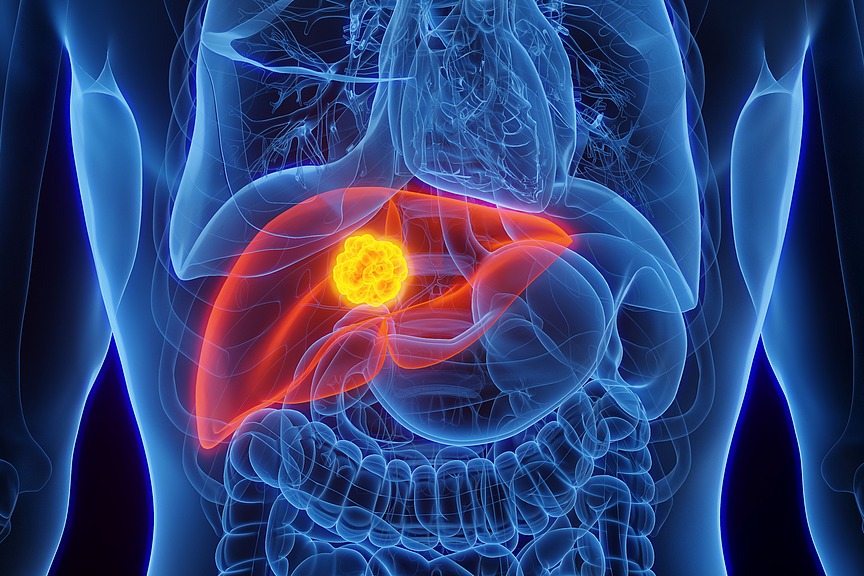
Global Liver Cancer Fight: Prevention Key to Reversing Trends
New Report Identifies Shifting Causes and Proven Strategies
A landmark report, spearheaded by Chinese experts and published in *The Lancet*, reveals a critical opportunity: preventing over 60% of global liver cancer cases. Achieving a modest 2% annual reduction in incidence could avert millions of new cases and deaths by 2050.
Emerging Threats Reshape Liver Cancer Landscape
Traditionally linked to hepatitis B, hepatitis C, and alcohol, liver cancer’s origins are changing. Metabolic dysfunction-associated steatotic liver disease (MASLD) and its inflammatory form, MASH, are rapidly rising as significant contributors, fueled by obesity and diabetes. Projections show MASH-related cases climbing from 8% to 11% by 2050, particularly in developed nations. Alcohol-related cases are also expected to see a slight increase.
“High-sugar diets, obesity and unhealthy lifestyles are reshaping the landscape of liver cancer,” stated **Hashem B. El-Serag**, a professor at the Baylor College of Medicine and report author.
China’s Success Offers a Global Blueprint
The report highlights effective prevention and treatment practices from diverse locations, including China’s Qidong city. Once a high-risk area for liver cancer due to hepatitis B prevalence, selenium deficiency, and aflatoxin contamination in corn, Qidong has seen remarkable progress. Early hepatitis B vaccination programs, dietary changes, and routine screenings have dramatically improved outcomes.
“Through proactive measures — including early hepatitis B vaccinations that preceded the national rollout, dietary adjustments and routine medical screenings for hepatitis B-positive individuals — the five-year survival rate for local liver cancer patients has significantly improved,” explained **Xu Yang**, a co-first author and doctor at Zhongshan Hospital. The survival rate has jumped from 2.5% in the early 1970s to 30.8% today, offering a transferable model for regions like Africa and Southeast Asia.
International Collaboration Drives Progress
The research team, comprising over 50 specialists from Japan, South Korea, the United States, Spain, France, and Italy, also drew lessons from Italy and Egypt. In Italy, government-led hepatitis C screening and treatment access initiatives have proven effective in managing a disease that once affected 1-1.5% of the population.
Egypt’s comprehensive national committee, established in 2006, focused on screening and education for its nearly 15% hepatitis C infection rate in the early 2000s. Crucially, government negotiations secured significant price reductions for antiviral medications, greatly enhancing treatment accessibility.
A Call for Unified Action
The report underscores the necessity of collaborative efforts. Health policymakers, medical professionals, international organizations, researchers, and health educators must unite to support global liver cancer prevention and control strategies. Such partnerships are vital for alleviating the worldwide burden of liver cancer and enhancing patient quality of life.
Globally, liver cancer is diagnosed in approximately 870,000 individuals annually, causing around 760,000 deaths. A recent study indicated that countries with high rates of obesity and type 2 diabetes, such as the United States, are experiencing a rise in liver cancer cases not linked to viral hepatitis or alcohol, emphasizing the growing importance of metabolic health in liver cancer prevention. (CDC, 2023)
