
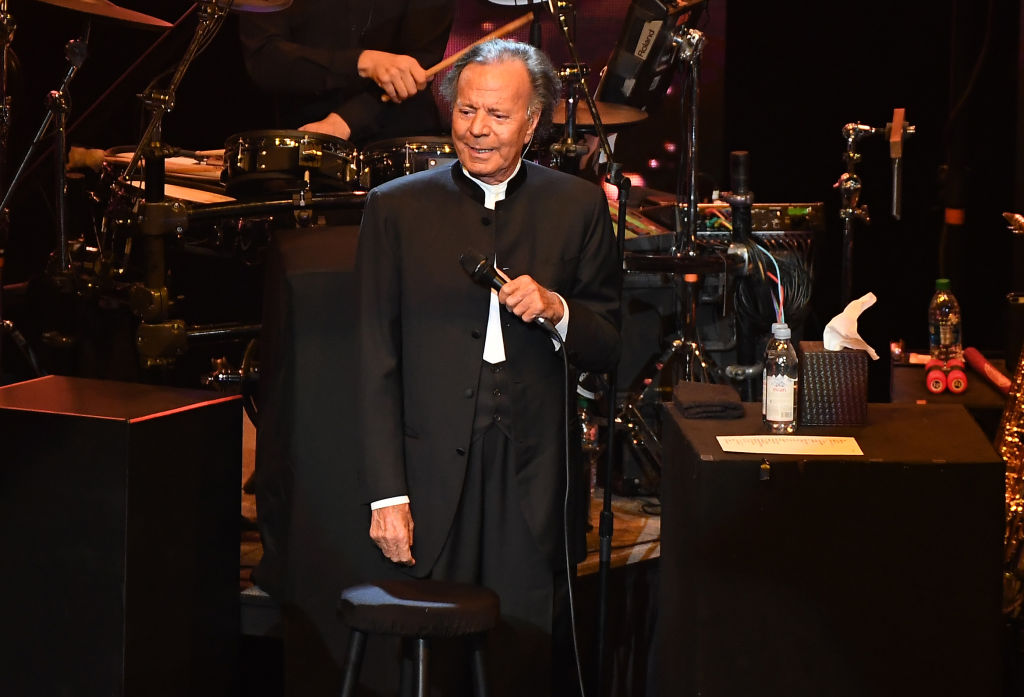
Julio Iglesias, the globally renowned singer with a career spanning decades, is now facing serious legal allegations. These allegations surfaced after two former domestic employees accused him of sexual assault and human trafficking. A complaint detailing these accusations was submitted earlier this month to Spain’s National Court prosecutor’s Office, as confirmed by a January 13th statement from women’s Link Worldwide, a global human rights institution. [1] The case has sparked renewed discussion about power dynamics, accountability, and the vulnerabilities faced by domestic workers employed by high-profile individuals.
The allegations: Coercion, Exploitation, and Abuse
The accusations center around events allegedly occurring in 2021 at Iglesias’ private residences in the Dominican Republic and the Bahamas. According to the filing, the two women describe a pattern of coercion, forced labor, and repeated violations of their sexual autonomy. The complaint also alleges instances of sexual harassment during their employment, painting a picture of prolonged control and abuse occurring behind closed doors. These allegations suggest a intentional pattern of exploitation, extending beyond isolated incidents.
The two accusers, identified as Laura and Rebeca to protect their privacy, claim they endured intimidation and psychological pressure while working in Iglesias’ homes. Laura stated her motivation for coming forward was to prevent similar harm to others, explaining, “My goal is to ensure that no woman ever endures this kind of abuse from him again.” [2] She emphasized the importance of survivors not being shamed for publicly sharing their experiences, a crucial step in breaking the silence surrounding abuse.
A Call for Accountability and Equal Justice
Rebeca framed her decision to come forward as a pursuit of justice, rather than an act of retaliation. “I am doing this to get justice,” she said, stressing that wealth and celebrity should not shield anyone from legal consequences. [3] Her statement underscores a broader demand for equal treatment under the law,regardless of social status or influence. This principle is fundamental to a fair and just legal system.
Women’s Link Worldwide argues that these accusations should be examined within the context of systemic labor exploitation, which disproportionately affects domestic workers. jovana Ríos Cisneros, the organization’s executive director, described the claims as evidence of “systemic structures of oppression and abuse.” [1] She highlighted the intersection of sexual violence with economic inequality and social marginalization, emphasizing that abuse frequently enough thrives in environments where power imbalances are critically important.
Ana Rebollar, deputy director of Amnesty International Spain, echoed these concerns, identifying violence against domestic workers as a persistent human rights issue. [4] She warned that current protections are inadequate,leaving domestic workers vulnerable to abuse within private households. The lack of robust legal safeguards and enforcement mechanisms contributes to a climate of impunity for perpetrators.
As of today,January 19,2024,Julio iglesias has not publicly responded to the allegations,and requests for comment from his representatives have reportedly gone unanswered.This silence has fueled further scrutiny and intensified calls for a thorough investigation.
The Vulnerability of Domestic Workers
Domestic work, while providing essential services, ofen exists in a legal gray area, making workers particularly vulnerable to exploitation. Factors contributing to this vulnerability include:
- Isolation: domestic workers often work in private homes, isolated from external oversight and support networks.
- Dependence on Employers: Their livelihood is directly tied to their employer, creating a power imbalance that can be easily abused.
- Lack of Legal protections: in many jurisdictions, domestic workers are excluded from the same labor laws and protections afforded to other workers.
- Immigration Status: Migrant domestic workers may be particularly vulnerable due to fear of deportation or lack of familiarity with local laws.
The Importance of Autonomous Investigations
Given the serious nature of the allegations, a thorough and independant investigation is crucial. This investigation should:
- Protect the Accusers: Ensure the safety and well-being of Laura and Rebeca throughout the legal process.
- Gather Evidence: Collect and analyze all relevant evidence, including witness testimonies, financial records, and dialog logs.
- Ensure Impartiality: Be conducted by an independent body free from any conflicts of interest.
- Promote Transparency: Maintain transparency throughout the investigation to build public trust.
Key Takeaways
- Julio Iglesias is facing allegations of sexual assault and human trafficking from two former domestic employees.
- The allegations involve incidents reportedly occurring in 2021 in the Dominican Republic and the Bahamas.
- Women’s Link Worldwide and Amnesty International have called for a thorough investigation and highlighted the systemic vulnerabilities faced by domestic workers.
- Iglesias has not yet publicly addressed the allegations.
- The case underscores the urgent need for stronger legal protections and enforcement mechanisms for domestic workers worldwide.
This case serves as a stark reminder of the pervasive issue of abuse faced by domestic workers and the importance of holding perpetrators accountable, regardless of their status or wealth.the outcome of the investigation will be closely watched, not only by those directly involved but also by advocates for human rights and labor protections globally.
Sources:
