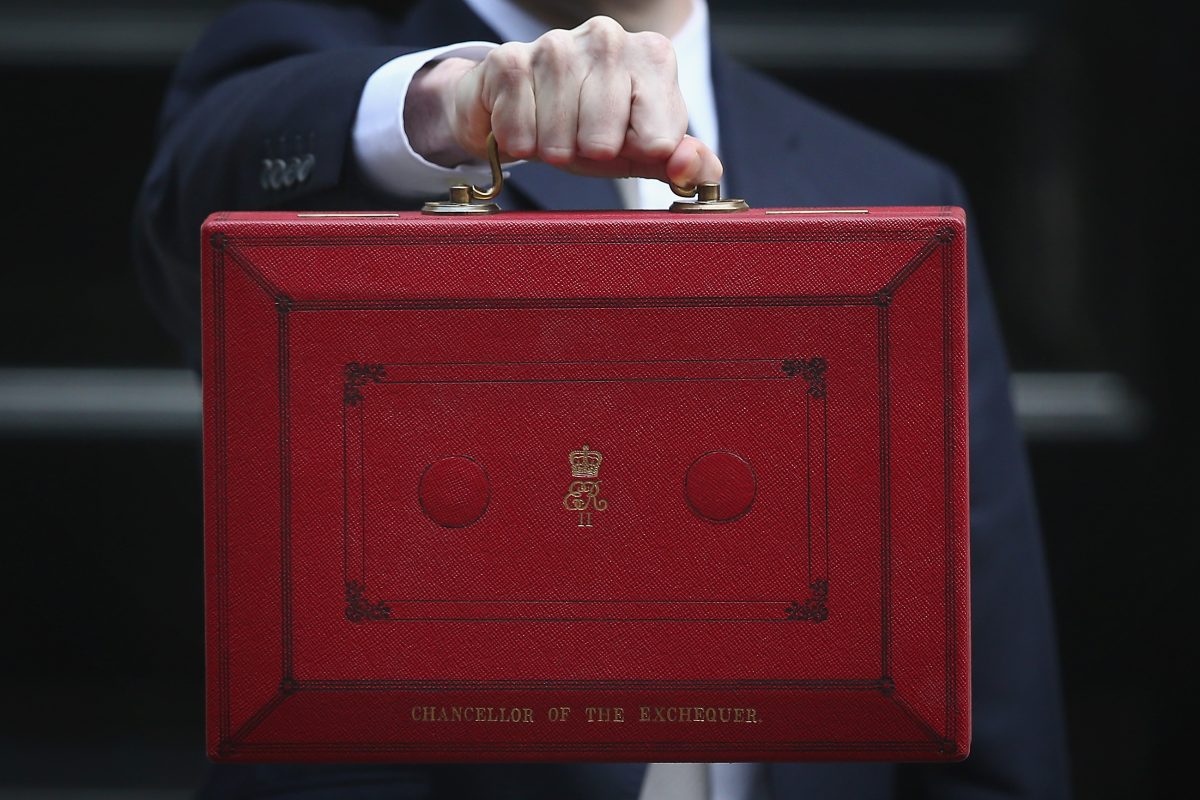
John Healey faces four fiscal hurdles ahead of Wednesday budget
Chancellor John Healey faces four distinct fiscal hurdles ahead of his Wednesday statement to the House of Commons on October 28, 2026, balancing energy price spikes and public debt against demands from businesses for cost relief, as cityam.com reported.
Youth Unemployment Rises as Jobs Disappear
The Chancellor inherited a labor market showing signs of strain. Youth unemployment surpassed 16 per cent for the first time in 11 years, while hundreds of thousands of jobs have disappeared since mid-2024. Business groups point directly to rising taxes and new employment regulations as the drivers behind this deterioration.
Accounting firm EY estimates that a faster drop in unemployment than currently projected could deliver a £40bn windfall to public finances. At the same time, top UK banks cite artificial intelligence as grounds for slashing headcount. Boston Consulting Group director Raoul Ruparel noted that a recent drop in payroll data for young workers across services industries indicates cause for concern.
Sectors reliant on human labor, including care and hospitality, have cut available work opportunities. Healey’s upcoming budget will be judged on whether it successfully incentivizes employers to expand hiring.
Think Tanks Dispute Claims of Improved Household Finances
Government ministers have argued that household finances improved over the past two years. GDP per capita rose by 1.1 per cent in 2025 following a period of stagnation. In that year’s Spring Statement, Rachel Reeves maintained that real household disposable income growth would leave families up to £500 better off annually.
Think tanks disputed those claims. The Resolution Foundation projected that the bottom half of income distribution would instead be £500 poorer by 2030. Following the conflict involving Iran, living standards face renewed pressure. August data revealed that real-term pay increases were hanging off a cliff edge, prompting City economists to state that workers are facing an extremely likely average pay cut as consumer prices spike.
Public Borrowing and the March to Three Trillion Pounds
Public debt continues an upward trajectory despite repeated government promises to curb borrowing. The Office for National Statistics reported that gross debt surged from £2 trillion to £3 trillion in just six years, a milestone that took about 10 years to rise from £1 trillion previously.
The International Monetary Fund published a report praising UK deficit-reduction plans targeting around 2031. Critics argue those targets fall outside the current electoral cycle and risk further delays. Healey must convince the Office for Budget Responsibility and financial markets that fiscal consolidation remains active.
UK Economy Tracks Toward Higher Growth Rate
Output per hour figures show positive movement since 2024. The UK economy is tracking toward an annualised growth rate of nearly two per cent, outpacing prior forecasts. Yet analysts remain divided over what drives this productivity increase.
City forecasters surveyed by the Treasury project next year’s GDP growth between 1.1 and 1.4 per cent. Significant divergence remains regarding business investment and domestic demand. The Confederation of British Industry suggested that elevated government spending on health, education, and defence will boost growth in 2026.
- Dublin City Council loses bid for Sandymount Martello tower
- Honduras Weather Forecast: High Pressure System Brings Rain and Cooler Temperatures
- John Healey to Deliver First Budget Under Tightened Fiscal Headroom (archyde.com)
- John Healey faces fiscal constraints ahead of October 28 budget (newsy-today.com)