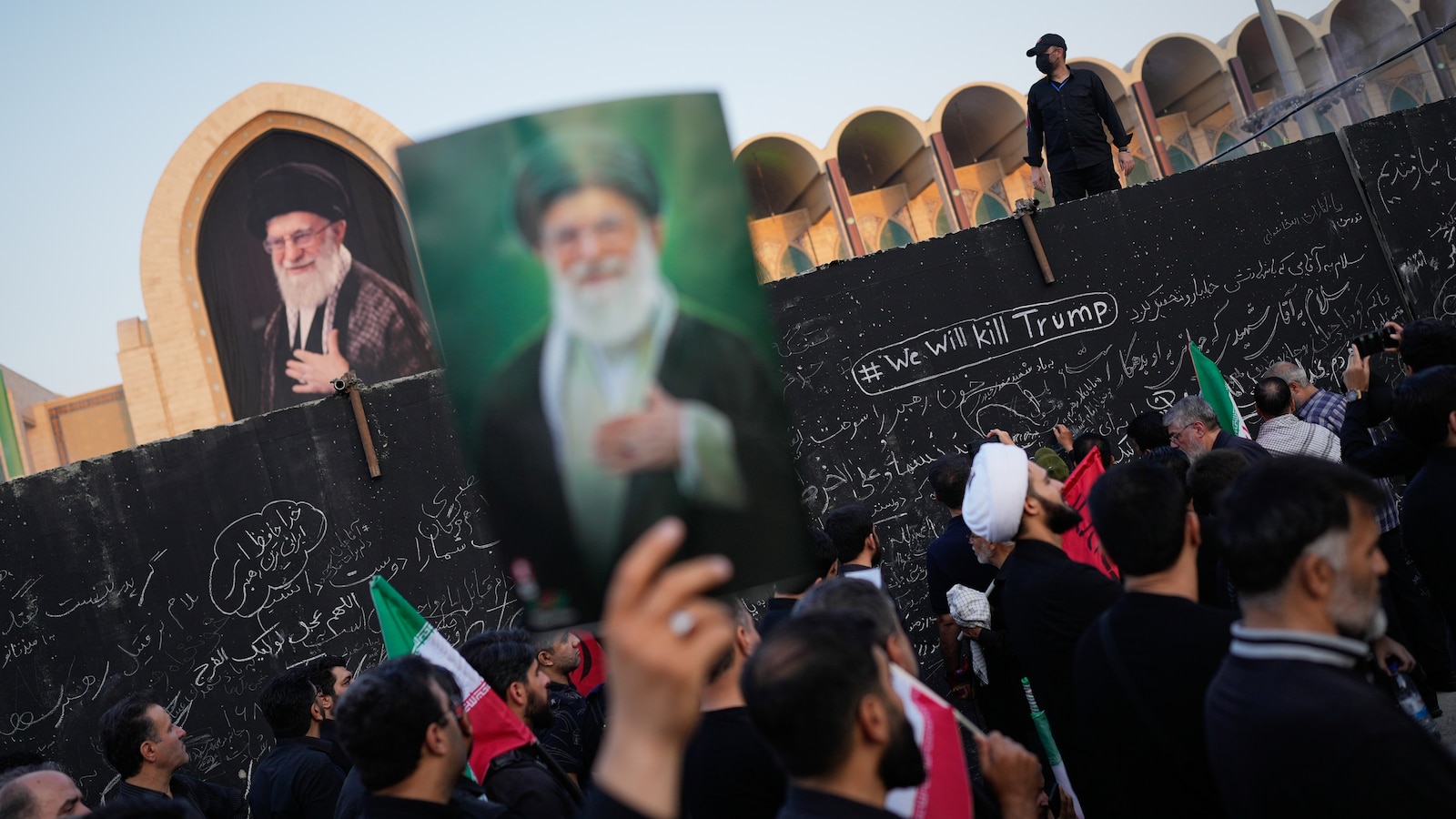
Iran’s Supreme Leader Ayatollah Ali Khamenei Funeral Fosters National Unity Amid Divisions
As of July 9, 2026, Iran is navigating a volatile transition following the funeral of Supreme Leader Ayatollah Ali Khamenei. The state-orchestrated ceremonies sought to project national unity, yet the event underscored deep-seated internal fractures regarding the future of the Islamic Republic’s governance, economic stability, and its regional geopolitical posture.
The Mechanics of a State-Managed Transition
The funeral proceedings in Tehran were meticulously choreographed to emphasize the continuity of the clerical establishment. State media outlets, including the Islamic Republic News Agency (IRNA), focused on the massive turnout, framing the event as a demonstration of popular support for the late leader’s ideology. However, this official narrative masks a more complex reality.
The death of a Supreme Leader is not merely a symbolic event; it is a profound stress test for the Iranian constitution. According to the Office of the President of Iran, the Assembly of Experts is now tasked with the rapid vetting of a successor. This process, often conducted behind closed doors, creates an information vacuum that fuels speculation and market uncertainty.
For citizens and international observers, this period of transition introduces substantial risks to daily operations. Financial volatility is a primary concern. Individuals and entities with exposure to the Iranian market are currently seeking clarity on how new leadership will influence trade policy and currency stability. When state-level transitions create such uncertainty, residents often turn to International Financial Advisory Services to mitigate exposure to sudden regulatory shifts.
The Socio-Political Divide
Beyond the televised pageantry, the demographic reality of Iran remains starkly polarized. The generational divide is particularly acute. Younger Iranians, who have faced years of economic stagnation and social restrictions, have expressed grievances that contrast sharply with the rhetoric of the conservative establishment.
Dr. Hamidreza Azizi, a fellow at the German Institute for International and Security Affairs, noted in recent analysis that the legitimacy of the post-Khamenei leadership will depend entirely on its ability to address the economic grievances of this restless population. The transition is not just about the person at the top; it is about the survival of a system that has struggled to adapt to the demands of a modern, connected society.
“The funeral is a snapshot of a state trying to hold onto its past while the ground beneath it is shifting. The challenge for the next leader is not just maintaining the hierarchy, but preventing the total erosion of the social contract.”
Navigating Legal and Administrative Uncertainty
For businesses operating within this jurisdiction, the shift in power brings immediate administrative hurdles. Changes in the upper echelons of the state often lead to a ripple effect in local governance and the enforcement of municipal laws. Contracts that were once considered secure may face re-negotiation or scrutiny under a new administrative order.
During such periods, the risk of litigation increases as power centers shift and regulatory priorities fluctuate. Businesses are increasingly engaging Corporate Compliance and Risk Management Firms to ensure their operations remain insulated from the fallout of political realignment. Securing counsel that understands the nuances of local property rights and commercial law is no longer a luxury; it is a necessity for survival in a volatile climate.
Infrastructure and Economic Resilience
The economic impact of this transition extends to the very infrastructure of the country. With the state focused on the political succession, routine maintenance and long-term infrastructure projects may face delays. This creates a secondary problem for local businesses that rely on consistent utility and logistics services.

Local community leaders have expressed concerns regarding the continuity of essential services during the mourning period and the subsequent transition. As noted by analysts at the Atlantic Council, the Iranian economy is already burdened by international sanctions and domestic mismanagement; a prolonged period of political focus on succession could further degrade the country’s industrial capacity.
In this environment, the ability to pivot is vital. Organizations are looking toward Logistics and Supply Chain Consulting Services to navigate potential disruptions in transit and procurement. Identifying reliable alternatives before a crisis hits is the difference between continuity and collapse.
A Future Uncertain
As the mourning period concludes, the focus will shift from the legacy of Ayatollah Ali Khamenei to the stability of his successor. The government’s ability to manage this transition will define the next decade of Iranian history. The world is watching, but for those living and working in Iran, the concern is far more immediate: how to maintain stability in a landscape defined by rapid, often unpredictable, change.
The transition of power is a reminder that even the most entrenched political systems are susceptible to the pressures of time and public sentiment. Whether this marks a pivot toward reform or a doubling down on hardline policies remains the central question of the year. For now, the most prudent course for those with interests in the region is to remain informed, agile, and prepared for further institutional adjustments.