
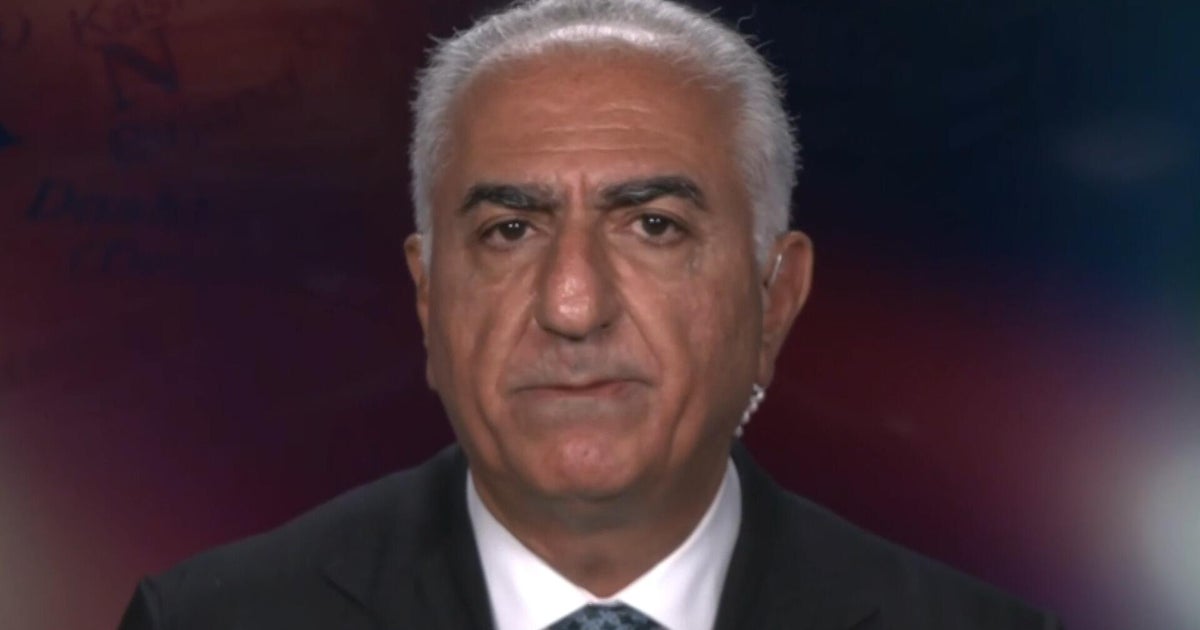
Reza Pahlavi: Iran’s Exiled Crown Prince adn the Future of the Protests
For decades, Reza Pahlavi, the son of the last Shah of Iran, has lived in exile in the United States. Though, as protests surge across Iran, he is increasingly positioning himself as a key figure in the potential future of the nation.Pahlavi has publicly called for direct intervention from the U.S., specifically urging former president Trump to take action to facilitate the collapse of the current regime and address the multifaceted challenges facing Iran. He believes his extensive time spent in the U.S. – nearly half a century – provides him with a unique viewpoint and skillset to help establish a “democratic alternative” to the Islamic Republic.
A history of Exile and a Claim to the Throne
Reza Pahlavi’s family was overthrown during the 1979 Iranian Revolution, leading to the establishment of the Islamic Republic under Ayatollah Ruhollah Khomeini. The Pahlavi dynasty had ruled Iran for over three decades, modernizing the country but also facing criticism for authoritarian practices and close ties with Western powers. following the revolution, Reza Pahlavi, then a young boy, fled Iran with his family and has remained in exile ever since.
While he does not explicitly call for the restoration of the monarchy, Pahlavi frequently speaks of a future Iran rooted in democratic principles, secularism, and respect for human rights. He emphasizes the need for a government accountable to its people, a stark contrast to the current theocratic system.His supporters view him as a symbol of hope and a potential leader capable of uniting the diverse opposition groups challenging the Islamic Republic.
The Current Protests and Pahlavi’s Role
The recent wave of protests in Iran were sparked by the death of Mahsa Amini in September 2022,while in the custody of Iran’s morality police for allegedly violating dress code rules. Amnesty International has documented widespread human rights abuses committed by Iranian authorities in response to the protests, including arbitrary arrests, torture, and extrajudicial killings. These protests, however, represent a broader discontent with the economic hardship, social restrictions, and political repression prevalent under the Islamic Republic.
Pahlavi has actively engaged with the protest movement, offering his support and attempting to provide a unifying voice for the opposition. He has made numerous public statements and given interviews to international media outlets, calling for international pressure on the Iranian government and advocating for the rights of the protesters. He has also sought to coordinate with various opposition groups, both inside and outside of Iran, to develop a cohesive strategy for change.
Calls for U.S. Intervention: A Controversial Position
Pahlavi’s call for direct U.S. intervention is a notably sensitive issue. while he argues that such intervention is necessary to prevent further bloodshed and facilitate a peaceful transition to democracy,critics caution against repeating past mistakes. The U.S. involvement in the 1953 coup that overthrew the democratically elected Prime Minister Mohammad Mosaddegh and reinstated the Shah remains a contentious topic in Iranian history, fueling anti-American sentiment. the U.S. State Department’s office of the Historian provides detailed data on this event.
Many analysts believe that direct military intervention could be counterproductive, perhaps escalating the conflict and further destabilizing the region. They advocate for a more nuanced approach, focusing on diplomatic pressure, economic sanctions, and support for civil society organizations within iran.
Pahlavi’s Assets and Challenges
Pahlavi’s nearly five decades in the United States are presented by him as a notable asset.He argues that his understanding of Western political systems and his network of contacts within the U.S. government and business community could be invaluable in building a new Iran. He also emphasizes his commitment to democratic values and his willingness to work with all segments of Iranian society.
However, Pahlavi also faces significant challenges. He lacks a strong base of support within Iran, and his association with the former monarchy is viewed with suspicion by some segments of the population. He must also overcome the deep-seated distrust of the U.S. that exists among many Iranians. Furthermore, uniting the diverse and often fragmented opposition groups under a single banner will be a formidable task.
The Future of Iran: A Complex and Uncertain Path
The future of Iran remains highly uncertain. The ongoing protests represent a significant challenge to the Islamic Republic, but the regime has demonstrated its willingness to use force to suppress dissent. Whether the protests will ultimately lead to meaningful change,and what form that change will take,remains to be seen.
Reza Pahlavi’s role in this unfolding drama is likely to become increasingly prominent. His ability to navigate the complex political landscape, build consensus among the opposition, and garner international support will be crucial in determining whether he can emerge as a viable leader in a post-Islamic Republic Iran. The situation demands careful consideration of historical context, geopolitical realities, and the aspirations of the Iranian people.
