
Table of Contents
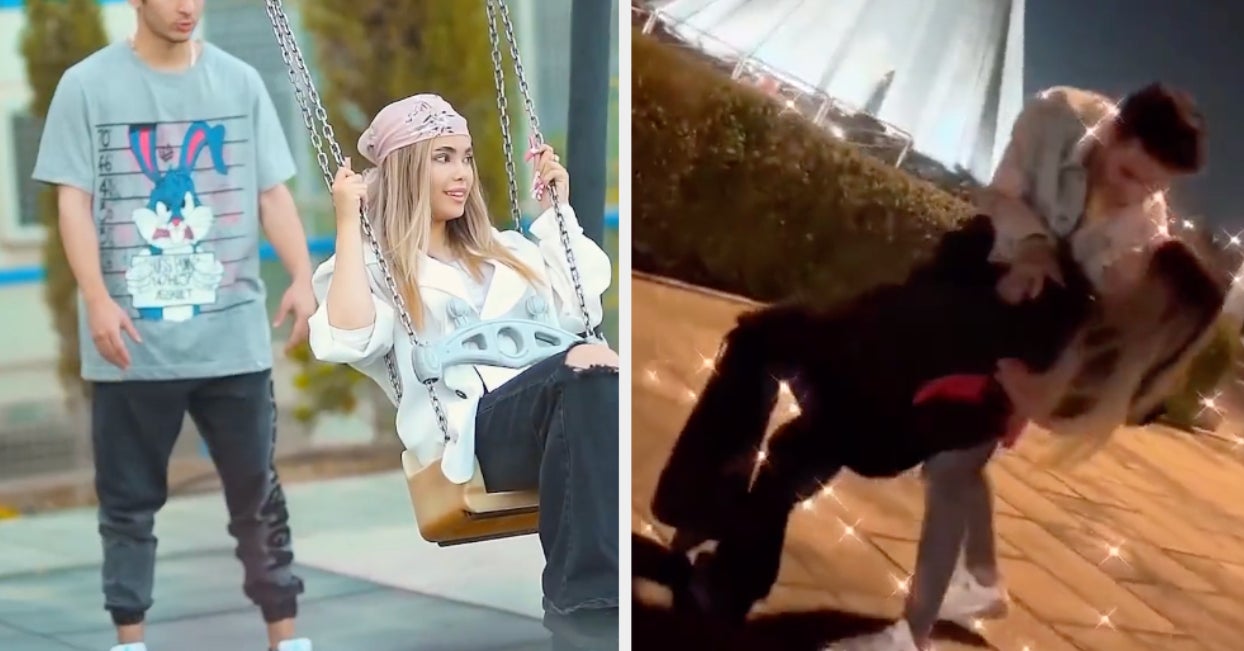
A couple in Iran has been sentenced to prison after a video of them dancing together was posted on social media, sparking outrage from human rights groups and further illustrating the country’s severe restrictions on personal freedoms.The case underscores the escalating crackdown on dissent following widespread protests in recent months.
The Arrest and Initial Charges
Astiazh haghighi and Amir Mohammad Ahmadi were arrested following the online publication of the video. Initially, Iranian state media claimed the couple was not arrested for dancing, but for allegedly inciting unrest and “encouraging people to riot against the country and subversion.”
Mizan, the Iranian state news agency, later disputed reports of a ten-year sentance, stating the couple received a five-year prison term for publishing “a call for protests.” Though, subsequent reports clarified the sentencing.
According to the washington Post, the couple was individually sentenced to ten years and six months in prison, totaling twenty-one years combined, on charges including “promotion of impurity and indecency, assembly and collusion against national security, and propaganda against the regime.” They have also been banned from social media and barred from leaving the country for two years. Their social media profiles have remained largely inactive as September 2022.
Did you Know? iran’s penal code criminalizes acts deemed to violate public morality, and social media is heavily monitored by authorities.
Context: Protests and Crackdown
The arrests occur against a backdrop of growing protests in Iran against the government’s theocratic rule.These demonstrations were initially triggered by the death of Mahsa Amini, a twenty-two-year-old woman who died in custody after being arrested by Iran’s morality police for allegedly wearing a hijab improperly. Amini’s death ignited widespread public anger and fueled calls for greater freedoms and reforms.
Authorities have responded with a harsh crackdown, arresting numerous public figures who have voiced opposition to the government’s handling of the protests. These arrests include prominent actor Taraneh Alidoosti and celebrity chef Navab Ebrahimi.
Haghighi had previously expressed support for Amini in a September Instagram post, writing, “Hoping tomorrow will be a better tomorrow. Let’s hold each other’s hands and support each other. We are all Iranians and we need to help each other.”
The Broader Implications
this case highlights the severe limitations on freedom of expression in Iran, particularly for women. The government’s strict social codes and surveillance of online activity contribute to a climate of fear and repression. The use of lengthy prison sentences for seemingly minor offenses demonstrates the authorities’ determination to suppress dissent.
Pro Tip: Understanding the ancient context of social restrictions in Iran is crucial to grasping the meaning of this case. These restrictions are rooted in the country’s theocratic ideology and its efforts to maintain control over its population.
The crackdown on social media users also raises concerns about the future of online activism in Iran. While social media has provided a platform for Iranians to voice their grievances and organize protests, it has also become a tool for the government to identify and punish dissenters. What impact will this have on future protests and the ability of Iranians to connect and organize?
| Event | Date | Details |
|---|---|---|
| Mahsa Amini’s Death | September 2022 | Death in custody after arrest for alleged improper hijab wearing. |
| Couple’s Video Posted | September 2022 | Astiazh Haghighi and Amir mohammad Ahmadi post dancing video on social media. |
| Initial Arrest | Following video posting | Couple detained by Iranian authorities. |
| Sentencing Announced | February 1, 2023 | Couple sentenced to a combined 21 years in prison. |
The Iranian government’s actions have drawn condemnation from international human rights organizations, who argue that the sentences are politically motivated and violate fundamental human rights. According to Article 19, a human rights organization focused on freedom of expression, “The criminalization of peaceful expression and assembly is a hallmark of authoritarian regimes” [Article 19]. The case also raises questions about the role of social media in facilitating both dissent and repression in authoritarian states.
Iran has maintained strict social codes since the 1979 Islamic Revolution. These codes govern various aspects of life, including dress, behavior, and public gatherings. Women, in particular, face significant restrictions, including mandatory hijab laws and limitations on their participation in public life. The government’s control over media and data is also extensive, with widespread censorship and surveillance.
Trends in online Activism and Repression
Despite the risks, social media has become an important tool for Iranians to express their views and organize protests. However, the government has responded by increasing its online surveillance and cracking down on social media users. This has led to a cat-and-mouse game between activists and authorities,with activists finding new ways to circumvent censorship and authorities developing new methods to track and punish dissenters.
Frequently Asked Questionsómico
- What is the significance of this case? This case highlights the severe restrictions on freedom of expression and personal liberties in Iran.
- What charges were the couple facing? They were charged with “promotion of impurity and indecency, assembly and collusion against national security, and propaganda against the regime.”
- What sparked the recent protests in Iran? The death of Mahsa Amini while in the custody of the morality police sparked widespread protests.
- How is social media used in Iran? Social media is used by Iranians to express their views and organize protests, but it is indeed also heavily monitored by the government.
- What is the Iranian government’s response to dissent? The government has responded with a harsh crackdown, arresting protesters and public figures who speak out against the regime.
This is a developing story. We will continue to provide updates as more information becomes available. If you found this article insightful, please share it with your network and join the conversation in the comments below. Consider subscribing to our newsletter for more in-depth coverage of global events.
