Iran-U.S. Tensions Escalate: Latest Threats, Proposals & Trump’s Warning
The Islamic Republic of Iran has declared its military ready to retaliate against any U.S. Aggression after President Donald Trump dismissed Tehran’s latest peace proposal, calling the fragile ceasefire “on life support.” As tensions escalate in the Strait of Hormuz—a critical global shipping chokepoint—regional allies like Israel and Australia are deploying defensive assets, while Iran’s parliament speaker warns of “teaching a lesson” to adversaries. The conflict, now in its 74th day, has already drained $29 billion from U.S. War funds, with costs rising daily. What began as a limited strike has morphed into a geopolitical powder keg, threatening to disrupt oil markets, destabilize neighboring economies, and force businesses to recalibrate supply chains overnight.
How Did We Get Here? The Timeline of a Ceasefire on the Brink
President Trump announced “major combat operations” against Iran on February 28, 2026, following a series of strikes targeting Iranian military sites, government buildings, and infrastructure. The U.S. And Israel justified the operation as a preemptive response to Iran’s alleged expansion of proxy networks in Yemen, Lebanon, and Syria. A two-week ceasefire was brokered in April during talks in Pakistan, but negotiations collapsed without a deal. Trump then extended the truce indefinitely—pending “one way or the other” resolution—while maintaining a naval blockade in the Persian Gulf.
Today, the ceasefire hangs by a thread. Iran’s parliament speaker, Mohammad Bagher Ghalibaf, rejected Trump’s rejection of Tehran’s 14-point peace proposal as a “humiliation,” vowing that Iran’s “military is ready to respond to any aggression.” Meanwhile, U.S. Officials acknowledge the war’s financial toll has ballooned to $29 billion—a figure that could soon surpass $50 billion when accounting for long-term operational costs, according to Pentagon comptroller Jules W. Hurst III. The economic strain is forcing Washington to prioritize funding, raising questions about whether Congress will approve additional war budgets or seek alternative diplomatic avenues.
The Strait of Hormuz: A Flashpoint with Global Consequences
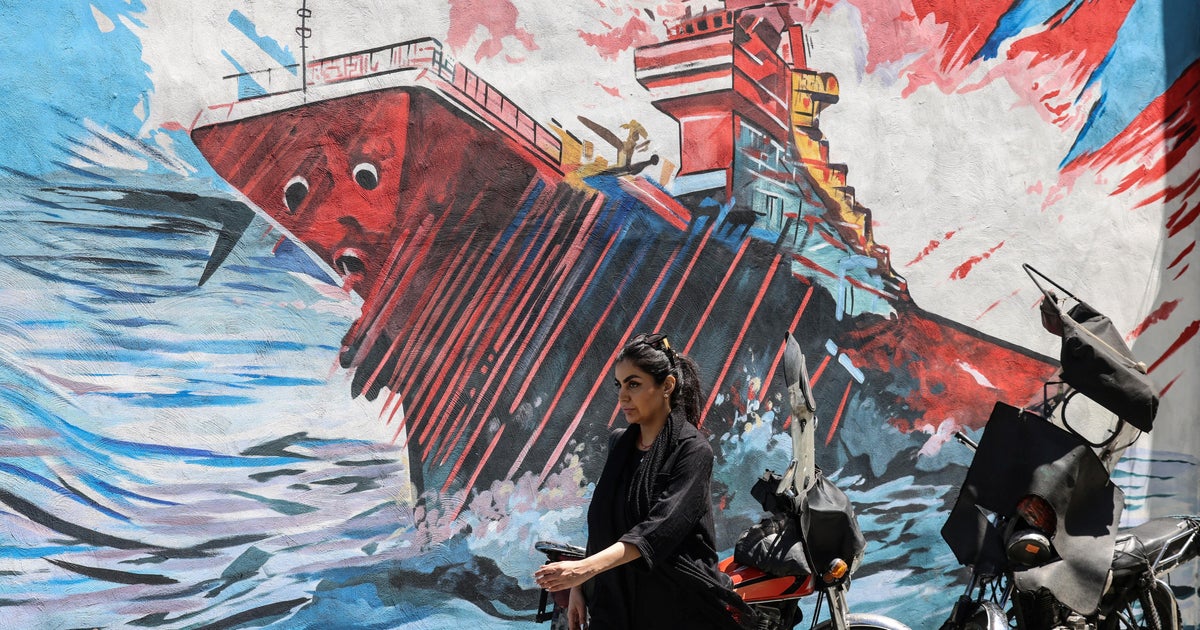
The Strait of Hormuz, through which 20% of the world’s oil passes daily, has become the epicenter of this crisis. Iran’s repeated threats to disrupt shipping—coupled with its recent attacks on commercial vessels—have sent shockwaves through global markets. In response, France and the United Kingdom are assembling a multinational defensive mission, with Australia pledging to contribute surveillance aircraft. The move underscores the stakes: a prolonged conflict could trigger oil price spikes, supply chain disruptions, and secondary economic sanctions on regional allies.
“The Strait of Hormuz is not just a waterway—it’s the lifeline of the global economy. If Iran escalates, we’re not just talking about geopolitical brinkmanship; we’re talking about a potential energy crisis that could paralyze industries from manufacturing to aviation.”
For Dubai, Abu Dhabi, and Kuwait, the fallout is already visible. The UAE has deployed anti-missile defense systems to protect its ports, while Saudi Arabia has accelerated diversification efforts away from oil-dependent revenue. In Tehran, the economic strain is acute: inflation has surged past 40%, and the rial has lost nearly 60% of its value against the dollar since the war began. Iran’s government is now weighing whether to further enrich uranium to 90%—a move that could provoke immediate Israeli strikes and derail peace talks.
Who Stands to Lose—and Who Might Profit?
| Entity | Risk Exposure | Potential Opportunity |
|---|---|---|
| Global Oil Markets | Price volatility, supply disruptions, and secondary sanctions on regional exporters. | Energy traders and hedge funds positioning for spikes in Brent crude. |
| U.S. Defense Contractors | Budget reallocations away from munitions and toward cyber/space defense. | Accelerated contracts for drone surveillance and electronic warfare systems. |
| Middle Eastern Ports (Dubai, Kuwait) | Insurance premiums surging, shipping delays, and potential missile strikes. | Private security firms specializing in maritime defense seeing demand spikes. |
| Iranian Expat Communities | Capital flight, asset freezes, and remittance restrictions tightening. | Wealth managers in Dubai and London assisting with asset diversification. |
The Legal and Diplomatic Tightrope
With no clear path to de-escalation, legal experts warn that both sides are trapped in a credibility spiral. Iran cannot afford to back down without losing face domestically, while Trump’s administration risks appearing weak if it concedes to Tehran’s terms. The 14-point proposal—which includes U.S. Withdrawal from the region, sanctions relief, and recognition of Iran’s nuclear program—has been dismissed as non-negotiable by Washington. Yet, Iran’s top negotiator, Ali Baghaei, has hinted at a blunt warning: “Accept our proposal or American taxpayers will pay for the consequences.”
“This is not just about Iran and the U.S. It’s about the entire architecture of post-WWII global order. If Trump’s blockade holds, we could see a new Cold War in the Gulf—but if Iran strikes back, the dominoes could fall on Europe’s energy security.”
For businesses operating in the region, the uncertainty is paralyzing. Multinational corporations are pausing expansions in Iran, while local firms in Lebanon and Syria face collapsed supply chains. The war risk insurance market has seen premiums triple in the past month, forcing some shippers to abandon routes through the Strait of Hormuz entirely. Meanwhile, Hezbollah and Hamas continue limited strikes along Israel’s northern border, keeping the broader conflict in a state of low-intensity warfare.
The Human Cost: Cities on Edge
In Tehran, air raid sirens have become a daily reality. Schools are holding drills, and hospitals are stockpiling trauma supplies. Baghdad and Basra have seen an influx of refugees fleeing Iranian airstrikes, straining local resources. Meanwhile, in Tel Aviv, residents near the Lebanese border report nightly missile alerts, with the Israel Defense Forces (IDF) confirming 45 Hezbollah targets struck in the past 24 hours alone.
“We’ve gone from ‘if’ to ‘when’ in terms of escalation. The question now is how deep this goes. If Iran hits a U.S. Carrier, we’re looking at a regional war—and no one wins that.”
What’s Next? Three Scenarios for the Coming Weeks
- Scenario 1: Limited Escalation—Iran conducts a symbolic cyberattack on U.S. Infrastructure or launches short-range missiles at Gulf bases. The U.S. Responds with targeted strikes, but both sides avoid full-scale war.
- Scenario 2: Blockade Enforcement—The U.S. Tightens its naval blockade, cutting off Iranian oil exports. Tehran retaliates by seizing commercial vessels in the Strait of Hormuz, triggering a legal and economic crisis for global shipping.
- Scenario 3: Full-Spectrum War—Israel launches a ground invasion of southern Lebanon to dismantle Hezbollah, while Iran strikes U.S. Bases in Iraq. The conflict spirals into a regional war, with Saudi Arabia and Turkey potentially drawn in.
The Directory Bridge: Who Can Help You Navigate This Crisis?
If you’re a business facing supply chain disruptions, a shipper reassessing routes, or an expat concerned about asset protection, the World Today News Directory connects you to verified professionals equipped to handle this volatility:
- Maritime Risk Consultants—Specializing in rerouting cargo away from the Strait of Hormuz.
- International Trade Lawyers—Assisting with sanctions compliance and contract renegotiations.
- Wealth Protection Firms—Helping Iranians and regional investors diversify assets preemptively.
- Critical Infrastructure Protection Teams—Preparing for potential cyberattacks on energy grids.
The Kicker: A Warning from History
In 1987, the Tanker War in the Gulf saw Iran and Iraq mine shipping lanes, triggering a 200% spike in oil prices and a global recession. Today, the stakes are higher: the world is more interconnected, and the tools of war—drones, cyberattacks, and proxy networks—are more destructive. The ceasefire is not just “on life support.” It’s hanging by a thread, and the next pull could unravel decades of fragile stability.
For those in the crosshairs, the time to act is now. The World Today News Directory is your first line of defense—connecting you to the experts who can mitigate risk, secure assets, and future-proof your operations in an era where geopolitical shocks are the new norm.
Related reading
- Près de deux millions de personnes à Gaza ont encore besoin d’une aide en matière d’abri, alors que
- Mobile Suit Gundam Seed Freedom Zero North American Release Date and Cast Revealed
- Why Oil Traders Are Tuning Out Trump’s Iran Rhetoric (archyde.com)
- Donald Trump rules out military strikes against Iran before midterm elections (newsy-today.com)