Iran ship seizures in Strait of Hormuz escalate tensions as Trump remains silent
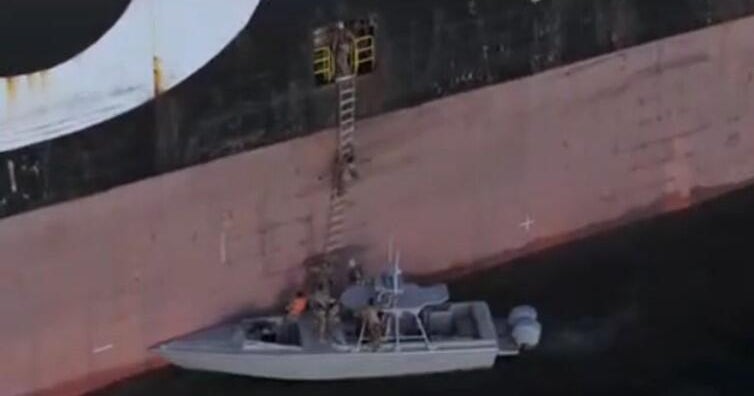
Iran’s release of video evidence showing the seizure of two commercial vessels in the Strait of Hormuz on April 22, 2026, has intensified global maritime security concerns as the United States remains publicly silent on its strategic response, raising immediate risks for international shipping lanes, regional energy markets and diplomatic stability in the Persian Gulf.
The Strait Under Shadow: Why Hormuz Matters More Than Ever
The Strait of Hormuz, a 21-mile-wide chokepoint between Oman and Iran, facilitates the transit of approximately 20% of the world’s petroleum supply daily, according to the U.S. Energy Information Administration. Any disruption here reverberates through global energy markets within hours. Iran’s Islamic Revolutionary Guard Corps Navy (IRGCN) has historically used this geography as leverage, conducting periodic interdiction operations since the 1980s Tanker War. The April 22 incident—where IRGC speedboats approached and diverted the Marshall Islands-flagged MV Adriatic Voyager and Panamanian MV Sea Lion to Bandar Abbas—marks the first confirmed seizure since the 2019 Stena Impero episode, signaling a deliberate escalation in Iran’s hybrid warfare tactics amid stalled nuclear negotiations and renewed U.S. Sanctions pressure.

Local economies along the UAE’s eastern coast, particularly Fujairah—the world’s second-largest ship bunkering hub after Singapore—are already feeling the ripple effects. Fujairah Port Authority reported a 12% drop in vessel arrivals within 24 hours of the video’s release, as charterers reroute to avoid heightened war-risk premiums. Marine insurers Lloyd’s of London have increased Hormuz transit surcharges by 35%, directly impacting minor and medium-sized shipping operators reliant on just-in-time crude deliveries to refineries in India and Pakistan.
“When Iran seizes vessels, it’s not just about the ships—it’s about testing the resolve of the international maritime insurance system. Every delay increases costs for consumers from Karachi to Rotterdam.”
Historical Context: A Pattern of Calculated Provocation
Iran’s use of maritime seizures as diplomatic signaling dates back to the 1979 hostage crisis, but modern iterations are far more sophisticated. Unlike the 1980s, when seizures were often indiscriminate, today’s operations target vessels under flags of convenience from nations with limited naval deterrence—Marshall Islands, Panama, Liberia—maximizing psychological impact while minimizing direct confrontation with major powers. The IRGCN now employs swarm tactics using fast-attack craft equipped with drone surveillance, a capability honed during Syria and Yemen interventions.
This approach exploits a critical gap in international law: while the UN Convention on the Law of the Sea (UNCLOS) guarantees transit passage through straits used for international navigation, enforcement relies on flag state cooperation and naval presence—both of which are inconsistent in Hormuz. The U.S. Fifth Fleet, based in Bahrain, maintains a persistent presence but avoids direct engagement unless vessels are fired upon, creating a gray zone Iran continues to exploit.
The Directory Bridge: Who Solves This Problem?
For shipping companies facing delayed cargoes and soaring insurance costs, the immediate need is for agile legal and operational expertise. Firms specializing in maritime law attorneys are being consulted to invoke war-risk clauses under the Marine Insurance Act 1906 and pursue diplomatic channels for crew and vessel release. Simultaneously, logistics planners are turning to global trade compliance consultants to reroute supply chains through alternative corridors like the Suez Canal or Cape of Good Hope, despite the 10–14 day transit penalty.
On the ground in Fujairah and Oman’s Musandam Peninsula, local port authorities and harbor masters are coordinating with port security and vessel tracking providers to enhance real-time AIS monitoring and establish pre-approved anchorage zones outside Iranian territorial waters. These services, often staffed by former naval officers, offer subscription-based threat intelligence feeds that integrate with bridge navigation systems—a critical layer of defense for vessels transiting high-risk zones.
Macro-Economic Stakes: Beyond the Headlines
The broader implication lies in Hormuz’s role as a barometer for U.S.-Iran relations. With the Biden administration’s 2025 JCPOA revival attempt collapsed and Trump’s 2026 reelection campaign emphasizing “maximum pressure,” Iran’s actions serve dual purposes: deterring further sanctions and signaling capability to disrupt global energy flows without triggering full-scale war. Each seizure episode historically correlates with a 0.5–1.2% spike in Brent crude prices within 48 hours, translating to billions in daily market volatility.

For emerging economies dependent on Hormuz-transited energy—Bangladesh, Sri Lanka, and the Philippines—these fluctuations threaten fiscal stability. The Asian Development Bank estimates that a sustained 10% increase in oil import costs could shave 0.3–0.7% off GDP growth for these nations, disproportionately affecting inflation-vulnerable populations.
The Editorial Keeper: Vigilance in the Gray Zone
As the video circulates on state media and social platforms, Iran’s message is clear: control of Hormuz remains a negotiable asset. Yet the true danger lies not in the seizures themselves, but in the normalization of coercive maritime tactics that erode the rules-based order governing 90% of global trade. For businesses navigating this uncertainty, the solution isn’t just reactive—it’s proactive engagement with verified experts who understand both the legal nuances and human realities of operating in contested waters.
When the next alert flashes across shipping desks, knowing where to turn—maritime counsel, trade strategists, or port security specialists—isn’t just prudent. It’s essential.
Keep reading
- Près de deux millions de personnes à Gaza ont encore besoin d’une aide en matière d’abri, alors que
- Mobile Suit Gundam Seed Freedom Zero North American Release Date and Cast Revealed
- Why Oil Traders Are Tuning Out Trump’s Iran Rhetoric (archyde.com)
- Donald Trump rules out military strikes against Iran before midterm elections (newsy-today.com)