
Iran Seeks ‘Peaceful’ Nuclear Agreement, But Holds Firm on Security
Table of Contents
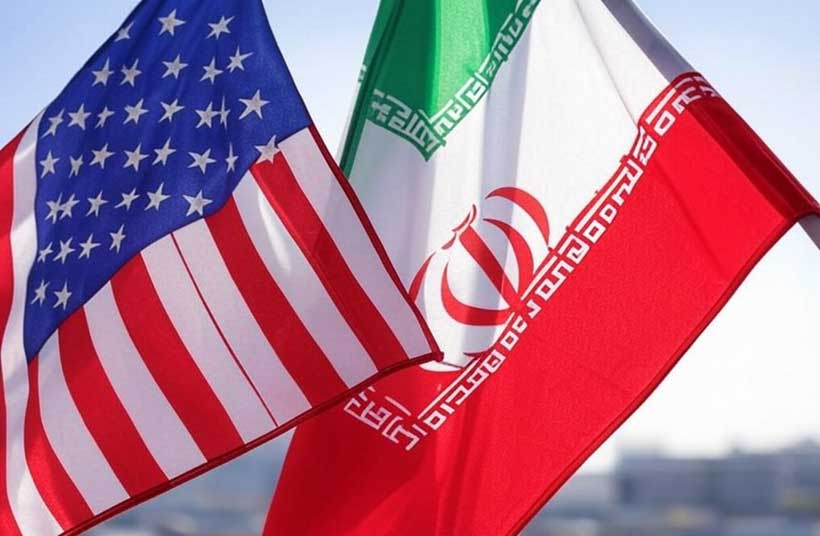
Tehran has reaffirmed its interest in reaching a nuclear agreement with the United States, aiming to resolve a dispute that has spanned decades. However, Iranian officials, including Deputy Foreign Minister Saeed Khatibzadeh, have made it clear that any deal will not come at the expense of Iran’s national security interests.This position underscores the complex dynamics at play as international efforts to revive the 2015 nuclear deal remain stalled.
Iran continues to maintain that its nuclear program is exclusively for peaceful, civilian applications. This assertion is met with skepticism from Washington, key European allies, and Israel, who express concerns that Iran is actively pursuing the development of nuclear weapons capabilities. The differing perspectives form the core of the ongoing impasse.
Why This Matters: Regional Stability and Global Security
the potential for a renewed nuclear agreement carries significant weight. A triumphant outcome could de-escalate tensions in the volatile Middle East, reducing the risk of military conflict and opening doors for renewed diplomatic engagement and economic cooperation. Conversely, a continued failure to reach an agreement raises the specter of increased military escalation, the imposition of further sanctions, and broader regional instability - consequences with far-reaching implications.
Key Players and Their Positions
- Iran: Actively seeking a deal, but is resolute in its refusal to curtail uranium enrichment activities or compromise its national sovereignty.
- United States: Advocates for stringent limitations on Iran’s nuclear program to prevent the weaponization of nuclear technology.The US has previously indicated a willingness to engage in dialog to achieve this goal.
- Israel & European Allies: Share deep concerns regarding the potential for Iran to develop nuclear weapons and the resulting impact on regional security. They are closely monitoring the situation and advocating for a robust agreement.
- International Community: The broader international community is closely observing the diplomatic efforts and the overall stability of the Middle East, recognizing the global implications of the situation.
The Road Ahead: Stalled Talks and Remaining Hurdles
Negotiations between the US and Iran have remained largely stalled since a period of heightened conflict between Iran and Israel in June.Significant gaps remain,particularly concerning the scope of uranium enrichment and the establishment of mutual trust. Progress hinges on the ability of both Tehran and Washington to bridge these differences, specifically regarding robust verification mechanisms, acceptable limits on uranium enrichment, and credible assurances of non-aggression from all parties.
The path forward is undoubtedly challenging, requiring a willingness to compromise and a commitment to finding a mutually acceptable solution. The stakes are high, and the world is watching closely.
Enjoyed this article? I pour a lot of effort into bringing you clear, insightful coverage of global events. If you found this piece valuable, please consider leaving a comment below with your thoughts, sharing it with your network, or subscribing to World Today News for more in-depth analysis. Your support helps us continue to deliver the news that matters.
