
Israel Strikes Iran: Experts Analyze Potential Retaliation and Regional Impact
Table of Contents
- Israel Strikes Iran: Experts Analyze Potential Retaliation and Regional Impact
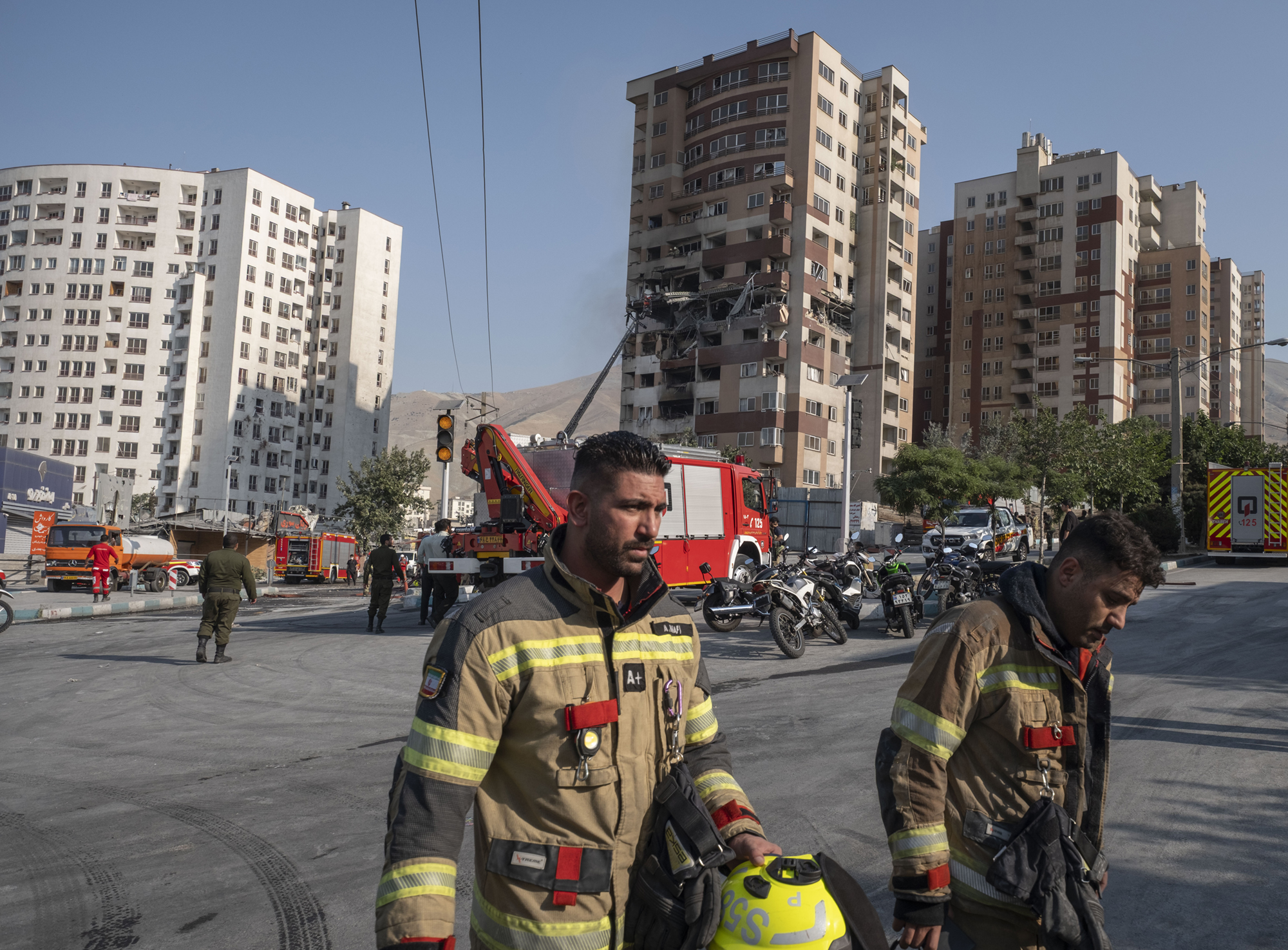
In a dramatic escalation of tensions, Israel has launched a series of strikes targeting military and nuclear facilities across Iran. The operation, which commenced early Monday, has prompted immediate concerns about potential retaliation from Tehran and the broader implications for regional stability. Experts are now analyzing the effectiveness of the strikes and the possible responses from Iran, as well as the role of international actors in the unfolding crisis.
Immediate Aftermath and Expert Analysis
The strikes, reportedly targeting key nuclear sites and military infrastructure, come amid escalating concerns over Iran’s nuclear program and its support for proxy groups in the region. The Washington institute held a virtual Policy forum featuring leading experts to discuss the ramifications of the israeli action. The panel included Michael Eisenstadt, zohar Palti, Dennis Ross, and Stroul Funds, moderated by Executive Director Robert Satloff.
The discussion focused on several critical questions:
- How effective were the strikes in degrading Iran’s nuclear program?
- What impact will the strikes have on Iran’s ability and willingness to retaliate?
- Will the conflict draw in other actors in the Middle East and beyond?
- How should the U.S. respond,especially if U.S. forces are attacked or Israel requires substantial defensive support?
Did You Know? The “Stuxnet” virus, allegedly a joint U.S.-Israeli cyber weapon, significantly hampered Iran’s nuclear program in 2010. Council on Foreign Relations
Potential for Iranian Retaliation
A key concern is the potential for Iranian retaliation. Iran has a range of options, from direct military action to cyberattacks and support for proxy groups. The extent and nature of any response will likely depend on the perceived damage inflicted by the Israeli strikes and the internal political dynamics within Iran. According to a 2024 report by the International Institute for Strategic Studies, Iran has significantly invested in its missile capabilities, posing a credible threat to regional adversaries. IISS
Possible Scenarios
- Direct Military Action: Iran could launch missile strikes against Israel or target Israeli assets in the region.
- Cyberattacks: Iran has a sophisticated cyber warfare capability and could target critical infrastructure in Israel and the U.S.
- Proxy Warfare: Iran could activate its proxy groups in Lebanon, Syria, and Yemen to attack Israeli or U.S. interests.
Regional and International Implications
The conflict between Israel and Iran has the potential to escalate into a broader regional war. Several countries in the Middle East have close ties to either Israel or Iran, and any escalation could draw them into the conflict. The involvement of major global powers, such as the U.S., Russia, and China, could further complicate the situation.
Pro Tip: Monitor statements from key regional actors like Saudi Arabia, Turkey, and Egypt for clues about their potential involvement or mediation efforts.
Key Players and Their Stakes
| Country | Stance | Potential role |
|---|---|---|
| united States | Strong ally of Israel | Provide military and diplomatic support to Israel; mediate between the parties. |
| Saudi Arabia | Rival of Iran | Potentially support Israel indirectly; work to contain Iranian influence. |
| Lebanon | Hezbollah is a major player | Hezbollah could launch attacks against Israel. |
| Syria | Close ally of Iran | Potentially provide support to Iran; serve as a staging ground for attacks. |
U.S. Response and Policy Options
The U.S. faces a complex set of challenges in responding to the crisis. On one hand, it has a strong commitment to the security of Israel. On the other hand,it wants to avoid a wider war in the Middle East. The U.S. response will likely depend on the nature and extent of Iranian retaliation, as well as the specific requests from Israel.
Possible U.S. actions include:
- Providing defensive support to Israel, such as missile defense systems.
- Deploying additional military forces to the region to deter further escalation.
- Engaging in diplomatic efforts to de-escalate the conflict.
- Imposing additional sanctions on Iran.
What actions do you think the U.S. should take? How can the international community prevent further escalation?
Evergreen Insights: Understanding the Israel-Iran Conflict
The conflict between Israel and Iran is rooted in decades of geopolitical rivalry, ideological differences, and competing security interests. Iran’s support for groups like Hezbollah and Hamas,its nuclear ambitions,and its regional expansionism have long been sources of tension with Israel. The current crisis is the latest chapter in this ongoing struggle, highlighting the need for a extensive approach to regional security and stability.
The history of covert operations and proxy conflicts between the two nations underscores the complexity of the situation. Understanding this history is crucial for anticipating future developments and formulating effective strategies for de-escalation and conflict resolution.
Frequently Asked Questions About the Israel-Iran Conflict
- What are the main reasons for the ongoing tension between Israel and Iran?
- The tension stems from Iran’s nuclear program, its support for anti-Israel militant groups, and its regional ambitions, which Israel views as a threat to its security.
- How has the international community responded to the escalating conflict?
- The international community is divided, with some countries condemning the Israeli strikes and others expressing concern over Iran’s nuclear activities.Diplomatic efforts are underway to de-escalate the situation.
- What role do proxy groups play in the Israel-Iran conflict?
- Proxy groups like Hezbollah and Hamas serve as key instruments for iran to project its influence and exert pressure on Israel without direct military confrontation.
- What are the potential long-term consequences of the current crisis?
- The long-term consequences could include a wider regional war, a new arms race, and a realignment of alliances in the Middle East.
- How can a peaceful resolution to the Israel-Iran conflict be achieved?
- A peaceful resolution requires a comprehensive approach that addresses the underlying causes of the conflict, including Iran’s nuclear program, its support for proxy groups, and its regional ambitions. Diplomatic engagement, confidence-building measures, and security guarantees are essential for achieving lasting peace.
Share your thoughts in the comments below. What are the most pressing concerns regarding the Israel-Iran conflict, and what steps should be taken to prevent further escalation? Subscribe to our newsletter for continuous updates.
