
Iran and Israel Trade Blows as Nuclear Talks Stall
Table of Contents
Jerusalem/Washington – in a dramatic escalation of Middle East tensions, Iran and Israel exchanged fresh attacks early Saturday, a day after Tehran declared it would not negotiate its nuclear program under duress. European efforts to mediate peace are ongoing but showing little progress.
Military Actions Intensify
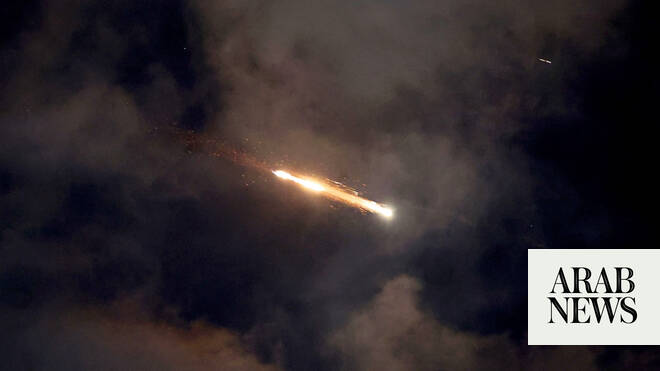
Shortly after 2:30 a.m. local time in Israel (2330 GMT friday), the Israeli military issued warnings of incoming missile strikes from Iran, triggering air raid sirens across central Israel, including Tel Aviv, and the Israeli-occupied West Bank. Interceptions were visible over tel Aviv as Israel’s air defense systems engaged the incoming barrage.
Did You Know? Israel’s Iron Dome defense system has an interception rate exceeding 90% against short-range rockets, according to Rafael Advanced Defense Systems.
Concurrently, Iran’s Isfahan nuclear site was reportedly targeted by Israel, according to Iran’s Fars news agency. The agency stated there was no leakage of hazardous materials. Israel also launched attacks against missile storage and launch infrastructure sites within Iran. Sirens sounded in southern Israel, with reports of five ballistic missiles fired by Iran, though no immediate impacts were reported.
Pro Tip: Follow real-time updates from reputable news organizations and government sources to stay informed about the evolving situation.
Casualties and Damage
While initial reports indicated no casualties, images released by Magen David Adom, Israel’s national emergency service, showed a fire on the roof of a multi-story residential building in central Israel, reportedly caused by debris from intercepted missiles. According to the Human rights Activists News Agency, a US-based human rights organization, Israeli air attacks have resulted in 639 deaths in Iran, including military leaders and nuclear scientists. Iranian missile attacks have killed 24 civilians in Israel, according to authorities.
Since June 13, police in Iran’s Qom province have arrested 22 individuals allegedly linked to Israeli spy services, according to Fars news agency.
Diplomatic Efforts Stalled
Iranian Foreign Minister Abbas Araqchi stated that negotiations with the US are unachievable “until Israeli aggression stops.” Despite this, he attended talks with European foreign ministers in geneva, where Europe hoped to revive diplomatic efforts.
US President donald Trump indicated he would take up to two weeks to decide whether the United States should intervene on Israel’s side, stating he wanted to see if the parties “come to their senses.” Trump expressed skepticism about the Geneva talks, suggesting Iran prefers direct engagement with the US.
Israel’s envoy to the United Nations, Danny Danon, told the Security Council that his country would continue its attacks “until Iran’s nuclear threat is dismantled.” Iran’s UN envoy, Amir Saeid Iravani, called for Security Council action and expressed alarm over potential US involvement. Russia and China have urged immediate de-escalation.
Key Players and Their Roles
| Actor | Role |
|---|---|
| Iran | Retaliating against Israeli strikes, developing nuclear program (alleged). |
| Israel | Targeting iranian nuclear and military infrastructure. |
| United States | Considering intervention, engaging in indirect diplomacy. |
| Europe | Attempting to mediate and revive diplomatic talks. |
| Russia & China | Calling for de-escalation. |
A senior Iranian official stated Iran is open to discussing limitations on uranium enrichment but will reject any proposal barring it from enriching uranium completely, “especially now under israel’s strikes.”
The Roots of the Iran-Israel Conflict
the conflict between Iran and Israel is deeply rooted in past, political, and ideological differences. Iran’s Islamic Republic, established in 1979 [1], opposes Israel’s existence and has supported various anti-Israeli militant groups. Israel views Iran’s nuclear program and regional ambitions as existential threats. This long-standing animosity has manifested in proxy conflicts, cyber warfare, and now, direct military exchanges. The current crisis reflects a breakdown in deterrence and a failure of diplomatic efforts to address the underlying issues. The Islamic Republic of Iran combines republican and theocratic institutions [3].
Frequently Asked Questions About the Iran-Israel Conflict
What is the current state of the Iran-Israel conflict?
The conflict is currently characterized by direct military exchanges, including missile strikes and targeted attacks on nuclear and military infrastructure. Diplomatic efforts to de-escalate the situation have stalled.
What are the main concerns driving the conflict?
The primary concerns include Iran’s nuclear program, Israel’s security, and regional stability. Both countries have accused each other of aggression and destabilizing actions.
What is the international community’s response to the conflict?
the international community is divided, with some countries calling for de-escalation and diplomatic solutions, while others are considering intervention or supporting one side or the other.
What actions should the international community take to de-escalate the conflict? how can diplomatic solutions be revived? Share your thoughts in the comments below.
