
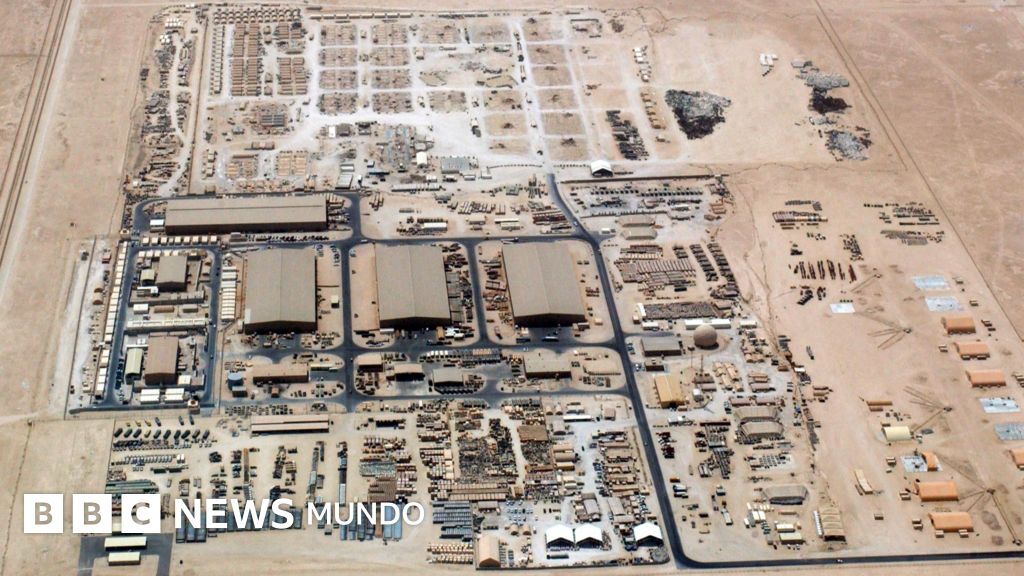
Iran Strikes US Bases in Qatar,Iraq After Nuclear Site Attack
Tensions in the Middle East have surged after Iran launched missiles against US military bases in Qatar and Iraq on Monday, June 23, 2025. This action follows a US strike on Iranian nuclear facilities on Saturday, marking a significant escalation in the ongoing conflict between the two nations. Iranian state media has characterized the missile launches as a “powerful and victorious” response to what they consider an act of aggression by the United States.
Qatar and Bahrain respond to Missile Threat
qatar’s Foreign Ministry reported that its air defense systems successfully intercepted the Iranian missiles, preventing any significant damage. The ministry also stated that the targeted base had been evacuated prior to the attack, ensuring the safety of Qatari and allied personnel. A statement released on X (formerly Twitter) condemned the attack as a “flagrant violation” of Qatar’s sovereignty and international law, reserving the right to respond appropriately. Meanwhile, in Bahrain, alert sirens sounded, prompting citizens to seek shelter in safe locations, according to the Interior Ministry.
Did You Know? Qatar hosts the Al Udeid Air Base, one of the largest US military facilities in the Middle East, playing a crucial role in regional operations.
US Government Response and High-Level meetings
In Washington,President Donald Trump convened an emergency National Security Council meeting at the White House. General Dan Caine, head of the Joint General Staff, and Secretary of Defense Pete Hegseth were present in the White House Crisis Room, providing real-time updates and strategic recommendations to the President. These officials hold the highest positions in the American defense system, advising the commander-in-chief on military matters.
Background: US Military Presence in the Middle East
The United States maintains a significant military presence in the middle East, with facilities in at least 19 locations across the region. According to the Council on Foreign Relations, eight of these locations are considered permanent bases, situated in countries including Saudi arabia, Bahrain, Egypt, United Arab Emirates, Iraq, Israel, Jordan, Kuwait, Qatar, and Syria. This network of bases allows the US to project power and respond to regional security challenges effectively.
Pro Tip: Understanding the geopolitical landscape and the strategic importance of these bases is crucial for analyzing the ongoing conflict.
Timeline of Events
| Date | event |
|---|---|
| Saturday, June 21, 2025 | US attacks Iranian nuclear facilities. |
| Monday, June 23, 2025 | Iran launches missile attacks on US bases in Qatar and Iraq. |
| Monday, June 23, 2025 | Qatar intercepts missiles; bahrain sounds alert sirens. |
| Monday, June 23, 2025 | US National Security Council convenes at the White House. |
International Reactions and Potential Escalation
The recent exchange of attacks has drawn international condemnation and raised concerns about further escalation in the region. The United Nations Security Council is scheduled to hold an emergency session to discuss the situation and explore diplomatic solutions. The potential for a wider conflict remains a significant concern, with many countries urging restraint and de-escalation.
The escalating tensions between Iran and the US coudl have far-reaching consequences for global stability and energy markets. The Strait of Hormuz, a critical waterway for oil shipments, is particularly vulnerable to disruptions, potentially impacting global oil prices and supply chains. According to the U.S. Energy Information Administration, about 21 million barrels of oil per day passed through the Strait of Hormuz in 2018. Any disruption could send shockwaves through the global economy.
What are the potential long-term consequences of these attacks? How can international diplomacy help de-escalate the situation?
evergreen Insights: understanding the US-Iran Conflict
the conflict between the United States and Iran is rooted in decades of political and ideological differences. Key events such as the 1979 Iranian Revolution, the Iran-iraq War, and the ongoing disputes over Iran’s nuclear program have shaped the relationship between the two countries. The US has consistently expressed concerns about Iran’s nuclear ambitions and its support for regional proxies, while Iran views the US military presence in the Middle East as a threat to its national security.
The current situation is further intricate by the involvement of regional actors and the broader geopolitical context. Countries like saudi Arabia and Israel have aligned with the US in opposing Iran’s regional influence, while Russia and China have maintained closer ties with Iran. These dynamics create a complex web of alliances and rivalries that can easily escalate into a larger conflict.
Frequently Asked Questions About the iran-US Conflict
- What is the history of US military presence in Qatar?
- The US military has maintained a presence in Qatar as the early 1990s, following the Gulf War. The Al Udeid Air Base has become a critical hub for US military operations in the Middle East,hosting thousands of personnel and serving as a key logistics and command center.
- How does this attack impact global oil markets?
- Escalating tensions in the Middle East can disrupt oil production and shipping routes,leading to higher prices and potential supply shortages. The Strait of Hormuz, a narrow waterway between Iran and Oman, is particularly vulnerable, as it is indeed a major transit point for oil tankers.
- What role does the United Nations play in this conflict?
- The United nations serves as a forum for international diplomacy and conflict resolution. The UN Security Council can impose sanctions, authorize peacekeeping missions, and mediate between conflicting parties. Though, the effectiveness of the UN depends on the cooperation of its member states, particularly the permanent members of the Security council.
- What are the potential outcomes of this conflict?
- The conflict between the US and Iran could lead to a range of outcomes, from a limited military confrontation to a full-scale war. Diplomatic efforts to de-escalate tensions and negotiate a peaceful resolution are ongoing, but the path forward remains uncertain.
Disclaimer: This article provides a factual account of recent events and does not constitute legal, financial, or medical advice. Consult with qualified professionals for specific guidance.
Share your thoughts and join the discussion! What steps should be taken to prevent further escalation in the Middle East? Subscribe to our newsletter for the latest updates.
