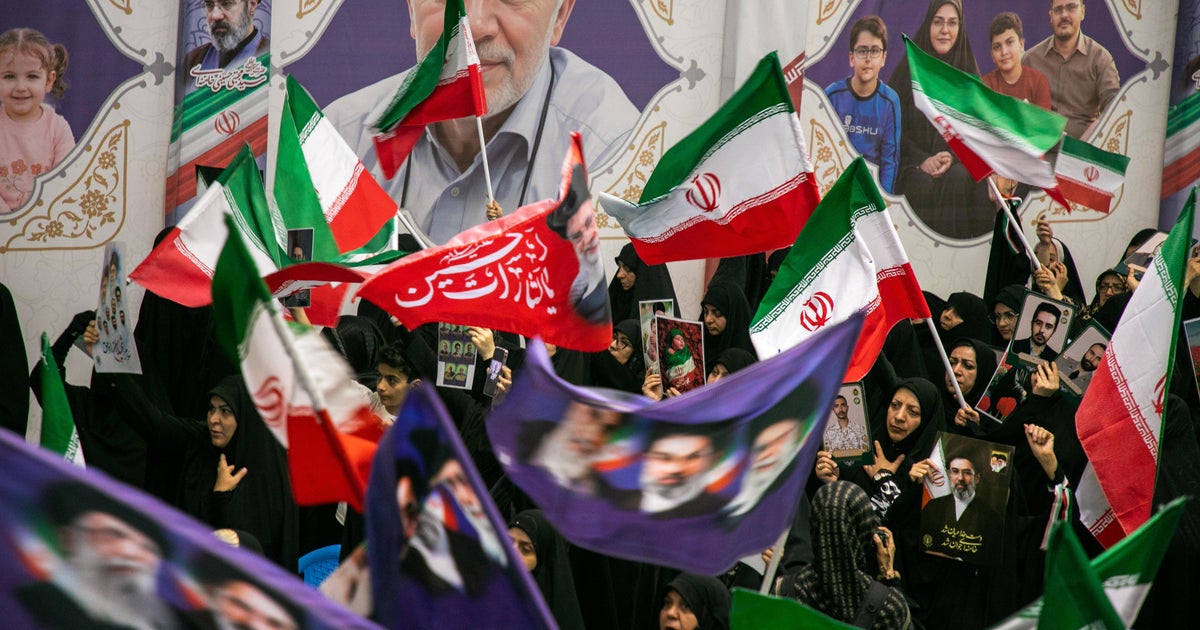
Iran Accuses U.S. of Ceasefire Violation Amid Escalating Conflict
May 26, 2026 — 19:34 UTC | Iran’s Supreme Leader Mojtaba Khamenei has labeled U.S. Military strikes in southern Iran as a “grave violation” of a fragile ceasefire, escalating tensions as President Donald Trump insists on a “good deal or no deal” stance in ongoing Qatar-mediated talks. The strikes, targeting Iranian mine boats near the Strait of Hormuz, have triggered retaliatory threats while Washington and Tehran trade accusations over who broke the agreement. With global oil markets jittery and regional allies like Israel and Saudi Arabia watching closely, the crisis risks spiraling into broader conflict—testing the limits of diplomacy in a volatile Middle East.
The Ceasefire’s Fragile Framework: Who Broke It, and Why It Matters
The U.S. Claims its strikes were “self-defense” after Iranian forces allegedly violated maritime safety protocols in the Strait of Hormuz—a chokepoint for 20% of the world’s seaborne oil. But Iran’s leadership, including President Masoud Pezeshkian, has framed the attacks as a deliberate provocation, warning of “proportionate retaliation.” The timing is critical: just as indirect talks in Qatar entered their most delicate phase, with Trump and Israeli Prime Minister Benjamin Netanyahu in direct contact, the strikes have injected chaos into negotiations.
“This is not a game of chicken. The Strait of Hormuz is a global lifeline. Any disruption risks triggering a cascade of economic and humanitarian consequences.”
Geopolitical Flashpoints: Where the Conflict Could Spread
The Strait of Hormuz isn’t just a waterway—it’s the linchpin of global energy security. Here’s how the escalation is playing out regionally:
- Tehran: Iranian Revolutionary Guard Corps (IRGC) units in Bushehr Province are on high alert, with local fishermen reporting increased naval patrols. The city’s port, a critical hub for Iran’s oil exports, has seen disruptions as vessels reroute to avoid the conflict zone. Bushehr Port Authority has issued advisories to exporters, though no official trade halts have been announced.
- Dubai: The UAE’s Jebel Ali Port, a key transshipment hub for Hormuz-bound cargo, is monitoring vessel traffic. Shipping insurers like MSC Mediterranean Shipping Company have raised premiums for routes passing near the strait by up to 40% in the past 48 hours.
- Qatar: Doha, hosting the talks, has deployed additional security to its Hamad International Airport, where diplomats from both sides are converging. The U.S. Embassy in Doha has issued a Level 3 travel advisory for American citizens in the region.
The Economic Domino Effect: Oil, Inflation, and Supply Chains
The Strait of Hormuz crisis isn’t just a military standoff—it’s a ticking economic time bomb. Here’s the breakdown:

| Impact Area | Short-Term Risk | Long-Term Risk |
|---|---|---|
| Oil Prices | Brent crude surged 8% in intraday trading, nearing $95/barrel. Refineries in Rotterdam and Singapore are stockpiling crude. | Prolonged disruptions could push prices above $100/barrel, triggering global inflation spikes—particularly in Europe and Asia. |
| Shipping Costs | Freight rates for Middle East-Europe routes have jumped 30% since May 20. Maersk and Hapag-Lloyd are rerouting vessels via the Cape of Good Hope. | Companies reliant on Hormuz transit (e.g., auto manufacturers, electronics firms) face supply chain delays of 3–6 weeks. |
| Food Security | Wheat shipments from Australia to Iran (via Hormuz) have been delayed, risking shortages in Tehran’s bazaars. | The UN’s World Food Programme warns of “secondary hunger” in vulnerable nations dependent on Iranian grain imports. |
Legal and Diplomatic Maneuvering: Who’s Next in the Crosshairs?
The U.S. Strikes raise critical legal questions under international law. Article 51 of the UN Charter permits self-defense, but Iran argues the attacks violate the 2018 Iran Nuclear Deal’s Joint Comprehensive Plan of Action (JCPOA) ceasefire provisions. Legal experts are divided:
**”The U.S. Is walking a tightrope. If the strikes are deemed proportional under customary international law, Iran’s retaliation could be justified. But if they’re seen as escalatory, Tehran risks isolating itself further.”**
Meanwhile, the Trump administration’s “good deal or no deal” ultimatum has sent ripples through Congress. Senate Majority Leader Mitch McConnell has called for a closed-door briefing with Defense Secretary Lloyd Austin, signaling potential legislative pushback against unilateral strikes.
The Human Cost: Communities on the Front Lines
In Iran’s southern provinces, the tension is palpable. In the port city of Bandar Abbas, fishermen have halted operations, fearing naval engagements. Schools in nearby Hormozgan Province have suspended outdoor activities, and hospitals are stockpiling emergency supplies. The Iranian Red Crescent Society has pre-positioned mobile clinics near potential conflict zones, though officials acknowledge their capacity is strained.
For businesses, the uncertainty is paralyzing. Exporters in Bushehr Province are canceling contracts, while importers in Dubai are diversifying suppliers. The crisis has also exposed vulnerabilities in Iran’s digital infrastructure: after three months of near-total internet blackouts, connectivity has rebounded to 86%, but state media reports suggest the government is testing a more permanent system of digital control—raising alarms for human rights groups.
Solutions in the Directory: Who Can Help?
With regional instability deepening, businesses and communities need verified partners to navigate the fallout. Here’s where to turn:

- Maritime Security: Shippers facing rerouting risks should consult specialized freight forwarders with experience in high-risk transit zones. Firms like DHL Global Forwarding offer crisis-management protocols for Hormuz-related delays.
- Legal Compliance: Companies with operations in Iran or the Gulf must review contracts under cross-border arbitration specialists. Firms like Shearman & Sterling provide JCPOA-specific advisory services.
- Supply Chain Resilience: Manufacturers dependent on Hormuz transit should audit their supply chain risk models. The Resilinc platform tracks alternative routes in real time.
- Humanitarian Aid: NGOs operating in Iran should coordinate with vetted medical logistics providers to ensure uninterrupted delivery of supplies. The International Federation of Red Cross and Red Crescent Societies is mobilizing reserves.
The Road Ahead: Three Possible Outcomes
The next 72 hours will determine whether this crisis de-escalates or spirals. Here’s what to watch:
- The Qatar Talks: If Trump and Khamenei’s teams can agree on a mutual de-escalation framework by May 28, markets may stabilize. But if talks collapse, expect a surge in proxy attacks via Hezbollah or Iraqi militias.
- Oil Market Reactions: Saudi Arabia’s OPEC+ allies are monitoring Iran’s production levels. If Tehran reduces exports in retaliation, Riyadh may intervene—but at what cost?
- Domestic Iranian Politics: Hardliners like IRGC Commander Hossein Salami are pushing for retaliation. If Pezeshkian’s government appears weak, internal fractures could weaken Iran’s negotiating position.
Final Kicker: The Strait of Hormuz Isn’t Just a Flashpoint—It’s a Warning
This isn’t the first time the Strait of Hormuz has been a powder keg. In 2019, tensions between Iran and Saudi Arabia sent oil prices soaring, and in 2021, a drone attack on a tanker nearly triggered a full-blown war. What’s different this time? The stakes are higher. Global supply chains are more interconnected, and the Trump administration’s “no deal” posture leaves little room for compromise.
For businesses, governments, and communities caught in the crossfire, the message is clear: preparation is the only defense. Whether you’re securing alternative shipping routes, fortifying legal protections, or stockpiling emergency supplies, the time to act is now. The World Today News Directory connects you to the verified professionals who can help you weather this storm—before it becomes a hurricane.
The question isn’t *if* the Strait of Hormuz will be tested again. It’s when. And when it does, will you be ready?