
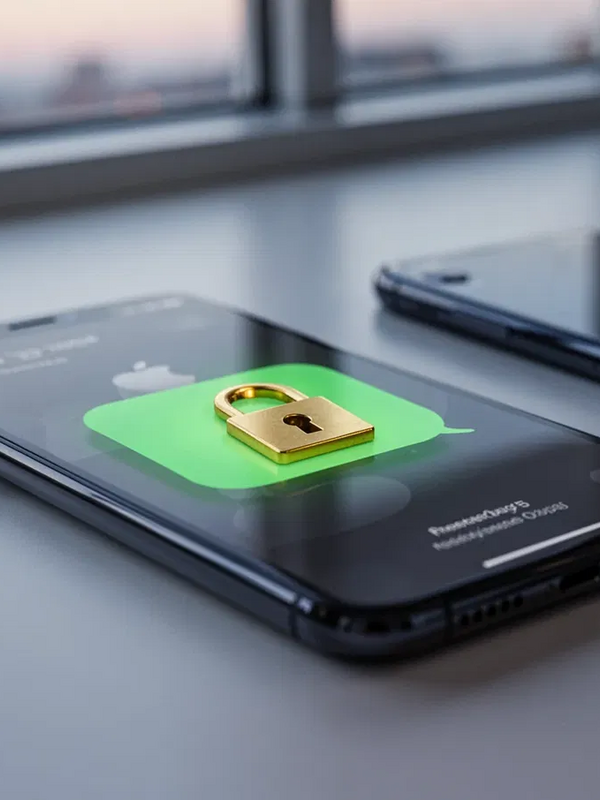
Apple is expanding complete-to-end encryption for Rich Communication Services (RCS) messaging to include Android devices with the release of the second beta for iOS 26.4, a move addressing long-standing security concerns regarding cross-platform messaging. The update also introduces AI-powered playlist generation for Apple Music and support for video podcasts.
The latest beta extends encryption, previously limited to iPhone-to-iPhone communications when iMessage was disabled, to messages exchanged between iPhones and Android phones. Users participating in the beta program will see a lock icon appear on green message bubbles, visually indicating the secure connection. This encryption prevents interception and reading of messages during transmission between the different operating systems, a significant step toward enhanced privacy, according to Apple’s developer release notes.
While a major advancement, the RCS end-to-end encryption feature will not be included in the initial public release of iOS 26.4. Apple intends to use the beta period for testing, with a full rollout planned for later updates this year. To utilize the encrypted messaging, iPhone users must install the second iOS 26.4 beta, and Android users require the latest version of Google Messages.
Beyond security enhancements, Apple Music is gaining a new “Playlist Playground” feature. This AI-driven tool allows users to generate personalized 25-song playlists using simple text prompts, such as “relaxing Sunday morning.” The Apple Music app has also received a visual redesign and now includes a concert and tour date search function for favorite artists.
Apple Podcasts is being updated with HTTP Live Streaming integration, enabling podcasters to offer high-quality video formats alongside their audio content. Users will be able to seamlessly switch between viewing and listening, and download video podcasts for offline access. This change is expected to create new monetization opportunities for content creators.
The second beta also includes several smaller improvements. A new accessibility switch in settings reduces highlighting effects on buttons, potentially benefiting users who prefer a less visually stimulating interface. The system design has been subtly refined, with the search bar in the Apple Games app moved from the bottom to the top of the screen. The Home Screen edit mode now features a transparent “Liquid Glass” effect. Apple has also implemented a policy where devices that haven’t installed a beta update for four months will be automatically reverted to the public release channel.
Security features have been bolstered with the standard activation of the stolen device protection feature, which restricts access to critical settings on a compromised device. The Health app now provides insights into average sleep times and displays blood oxygen levels throughout the day.
The iOS 26.4 update demonstrates a strategic approach by Apple, balancing increased interoperability with Android while maintaining control over the rollout schedule. Regulatory pressures to improve cross-platform communication likely influenced this decision. However, the anticipated comprehensive AI features initially expected with iOS 26.4 are not present in this beta, suggesting a delay in their implementation. Instead, Apple is focusing on more targeted AI applications, such as the playlist generation tool.
The final public release of iOS 26.4 is anticipated in late March or early April 2026, preceded by a public beta program. The multimedia updates and security enhancements will be central to this release, while the Android RCS encryption will remain in the testing phase for now.
