Indigenous Plant-Based Foods: Traditional Wisdom for Modern Health Improvement
Researchers investigating contemporary scientific rationales for health improvement have turned their focus toward traditional Indigenous food systems across North America and the Andes, examining nutrient compositions and bioactive compounds to address rising rates of chronic disease. Published in the journal Current Developments in Nutrition, a recent conference paper evaluates native crops ranging from the North American Three Sisters polyculture to Andean pseudocereals like quinoa and amaranth.
- Traditional North American and Andean plant-based diets offer rich sources of dietary fiber, minerals, vitamins, and diverse bioactive compounds that researchers are evaluating for chronic disease prevention.
- Among American Indian and Alaska Native adults aged 18 and older, diabetes prevalence is 16%, compared to 8.5% among non-Hispanic White adults, highlighting the urgent need for nutritional interventions.
- Experimental studies demonstrate that bioactive compounds in native berries, wild rice, and purple Andean maize exhibit antioxidant and antihyperglycemic properties, though broader clinical trial data remains limited.
Nutritional Composition and Chronic Disease Disparities
The investigation highlights significant health disparities affecting Indigenous populations, driven in part by historical displacements, loss of native agricultural systems, and an increased reliance on highly processed foods. In the United States, diabetes affects 16% of American Indian and Alaska Native adults aged 18 and older, starkly contrasting with an 8.5% rate among non-Hispanic White populations. In Andean communities, cardiovascular diseases and cancer rank as major causes of mortality, with hypertension, obesity, and hyperglycemia serving as primary diet-related risk factors.
Historically, plant-based agriculture developed independently in Eastern North America and the Andes, embedding ecological knowledge, cultivation, and harvesting practices directly into community health. European colonization disrupted these traditional food systems through land dispossession and forced resettlement, laying the groundwork for modern nutritional deficiencies and chronic metabolic disorders.
North American Indigenous Crops and Bioactive Profiles
The traditional Three Sisters agricultural system—combining maize, beans, and squash—provides a balanced array of essential nutrients. Beans supply protein, dietary fiber, minerals, and vitamins, while maize contributes carbohydrates, lipids, and fiber. Pumpkin and other squash varieties offer calcium, phosphorus, potassium, vitamins A, B, C, and E, alongside protective phytochemicals including phenolic compounds, carotenoids, phytosterols, tocopherols, and cucurbitacin glycosides.
Wild rice, a staple of historical and contemporary importance in the Great Lakes region, yields higher protein and fiber concentrations than conventional white rice. Alongside native berries such as Saskatoon berries, chokecherries, currants, and American cranberries, these foods deliver high quantities of dietary fiber, potassium, and vitamin C. Laboratory and animal studies indicate that phenolic compounds found within these native berries possess antioxidant, anti-inflammatory, antimicrobial, and antihyperglycemic activities, though researchers emphasize that clinical trials evaluating native maize, wild rice, and specific berries remain limited.
Andean Indigenous Foods and Metabolic Research
In the Andean region, traditional crops such as Andean maize, the legume tarwi, and pseudocereals including quinoa, amaranth, and cañihua represent vital nutritional resources. Purple Andean maize has drawn substantial scientific interest due to high concentrations of anthocyanins. Experimental and clinical evaluations of purple corn extract have demonstrated significant antioxidant and antihyperglycemic effects, with specific clinical trials observing reductions in blood pressure following consumption.
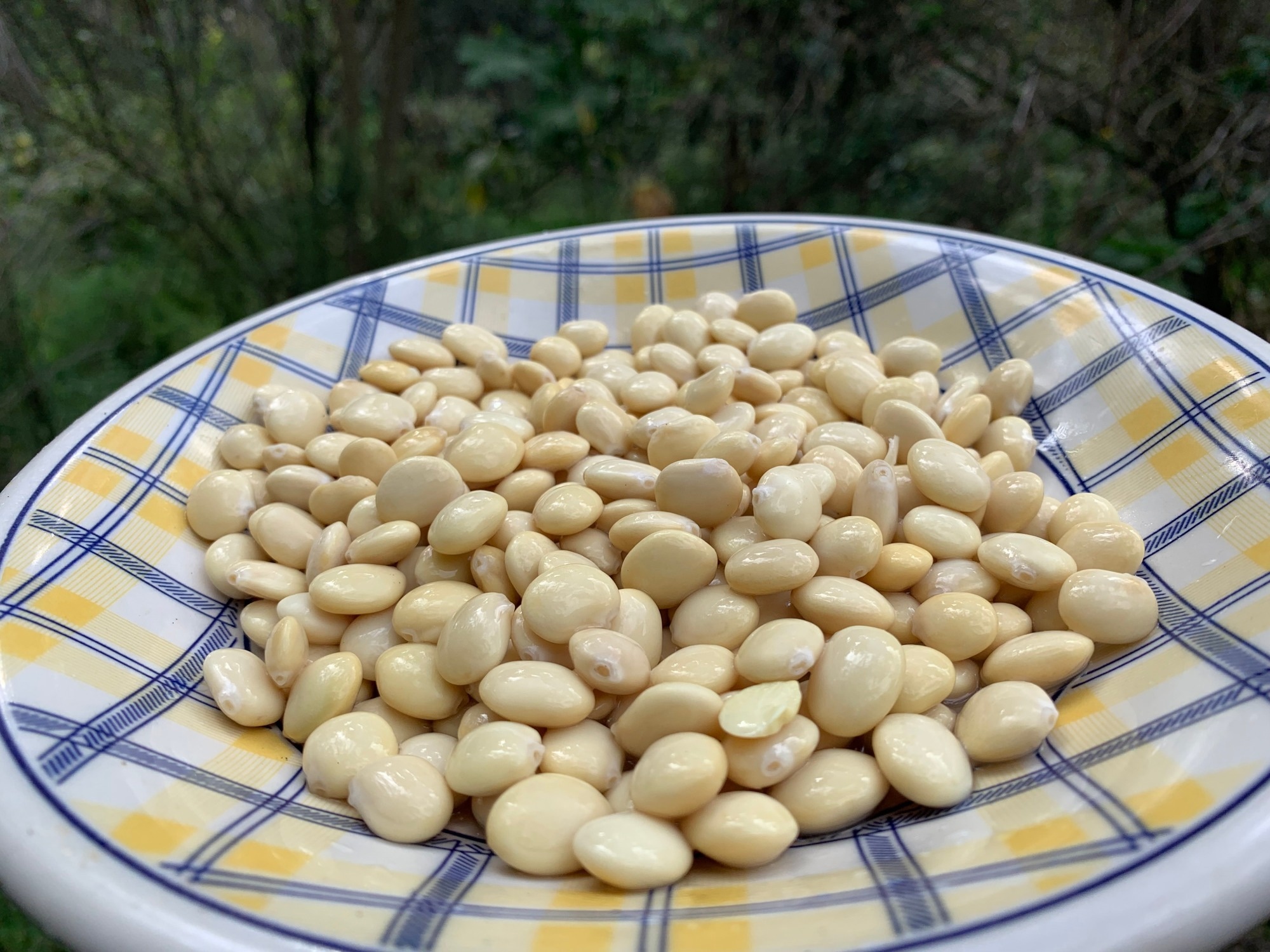
Tarwi, also known as Andean lupin, exhibits a high density of protein (45.4% on a dry-weight basis in samples reported by the authors) and lipids (17.9%), while supplying essential minerals such as iron, zinc, and copper. Experimental studies show that tarwi’s flavonoids, tocopherols, carotenoids, and bioactive peptides improve metabolic biomarkers, particularly in diabetes models. However, raw tarwi contains toxic quinolizidine alkaloids, requiring traditional washing methods to safely reduce bitterness and alkaloid concentration before consumption. Similarly, pseudocereals like quinoa provide complete amino acid profiles alongside polyphenols, saponins, phytosterols, and carotenoids.
Disclaimer: The information provided in this article is for educational and scientific communication purposes only and does not constitute medical advice. Always consult with a qualified healthcare provider regarding any medical condition, diagnosis, or treatment plan.