
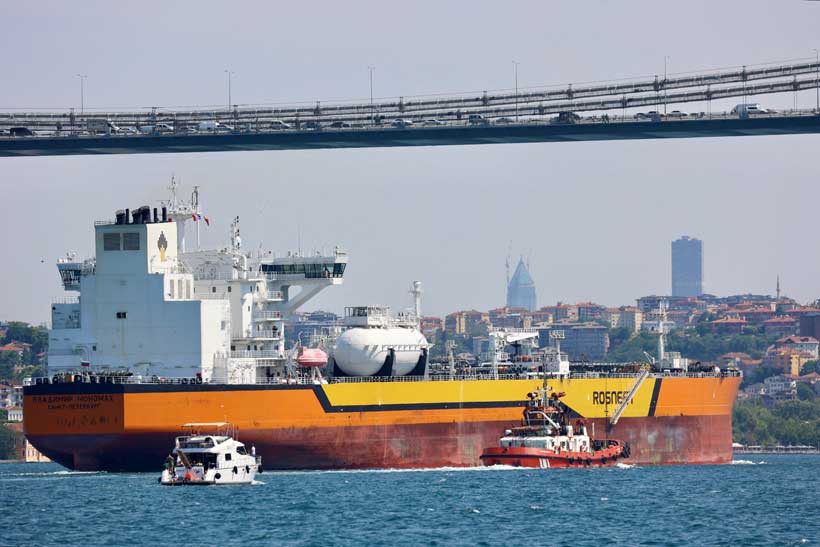
New Delhi - India is facing increasing economic pressure as sanctions imposed by Washington and Brussels against Russia inadvertently disrupt its energy supplies and threaten domestic stability, according to a growing chorus of analysis. While India has historically maintained a diversified energy portfolio – sourcing oil from Russia, the Middle East, and, when advantageous, the United States – recent actions suggest a coordinated effort to limit India’s access to non-Russian oil, impacting its ability to balance energy needs with geopolitical considerations.
The situation stems from Western efforts to curtail revenue flowing to Moscow following its invasion of Ukraine. However, this strategy is creating “collateral damage” for India, making its traditional “juggling act” of securing affordable energy more difficult. Critics accuse India of attempting to benefit from trade with Russia while concurrently seeking favor with the West, but observers note that pragmatism - specifically, controlling domestic energy prices – is the primary driver of India’s decisions, a common priority for governments globally.
A key growth illustrating this pressure is the recent decision by Saudi Arabia and Iraq to curtail supplies to Nayara Energy, an Indian oil company. Sources indicate this wasn’t solely a business decision,but a response to pressure from Washington and Brussels,representing a new form of ”coercion” characterized by the quiet termination of contracts rather than overt threats.
The potential consequences are significant. Further constriction of supply could lead to shortages and price spikes, potentially fueling political instability as rising costs for essential goods like food and fuel have historically triggered public discontent. While India is currently leaning into increased imports from Russia due to their availability and lower cost, this is viewed as a temporary solution.
Long-term, the situation may necessitate accelerated investment in renewable energy sources and domestic oil production, though current progress is insufficient to offset immediate shortfalls. The irony, as highlighted by analysts, is that these actions are impacting India – a country the West considers a key partner in Asia – and could ultimately hinder its economic growth.
The effectiveness of sanctions as a precise tool is being questioned, with the current approach resembling a “hammer” impacting India’s economy. The future trajectory - whether this becomes a temporary setback or a deeper crisis – hinges on the extent of continued Western pressure and India’s ability to adapt and secure its energy future.
