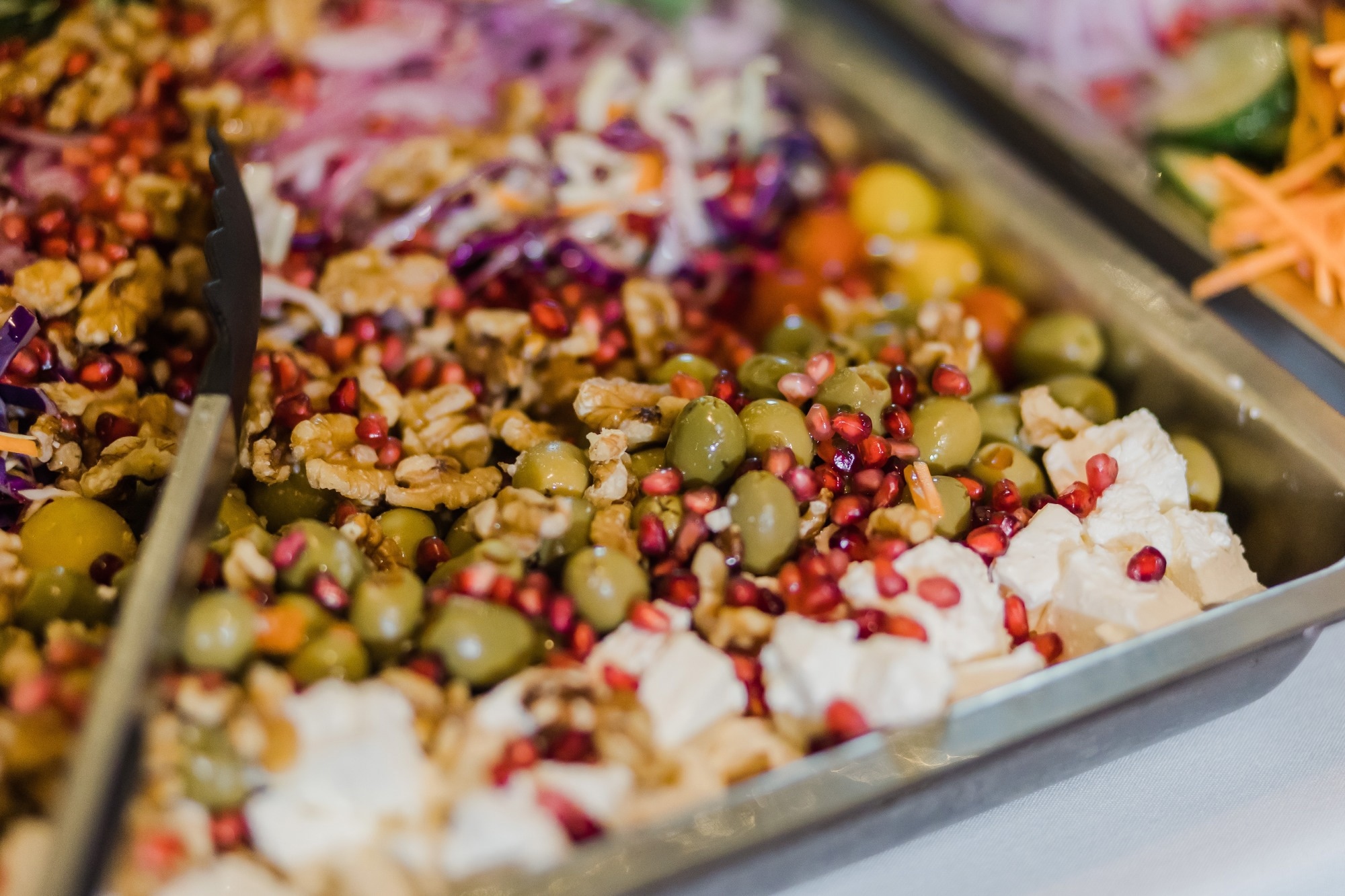
Indian-Adapted Mediterranean Diet Shows Promise in Reducing Heart Disease Inflammation
Heart disease remains the world’s leading cause of mortality, claiming nearly 18 million lives annually—yet the standard Mediterranean diet, proven to reduce cardiovascular risk, has long been tailored to European and American palates. Now, researchers have adapted this cardioprotective regimen to India’s culinary landscape, where traditional diets rich in spices, lentils and plant-based oils may offer unique anti-inflammatory advantages. A landmark study published in BMC Nutrition on July 4, 2025, outlines the development of the Indian-Adapted Mediterranean Diet (IAMD), a precision-nutrition approach designed to lower chronic inflammation—a key driver of atherosclerosis and myocardial infarction. But what does this mean for patients, clinicians, and the global fight against coronary artery disease (CAD)?
Key Clinical Takeaways:
- The IAMD integrates locally available anti-inflammatory spices (e.g., turmeric, black pepper) with Mediterranean staples like olive oil and nuts, targeting systemic inflammation—a root cause of CAD.
- Preliminary data from the All India Institute of Medical Sciences (AIIMS) trial suggest the diet achieves lower Dietary Inflammatory Index (DII) scores than conventional Mediterranean diets, but Phase II efficacy trials are underway.
- For high-risk patients, this adaptation could bridge a critical gap: 80% of global CAD deaths occur in low- and middle-income countries, where dietary modifications are often overlooked in clinical guidelines.
Why Inflammation Is the Silent Killer in Coronary Artery Disease
Chronic inflammation isn’t just a byproduct of CAD—it’s a precursor. Elevated levels of pro-inflammatory cytokines like interleukin-6 (IL-6) and tumor necrosis factor-alpha (TNF-α) accelerate endothelial dysfunction, plaque rupture, and thrombosis. The standard Mediterranean diet mitigates this through omega-3 fatty acids, polyphenols, and monounsaturated fats. Yet for Indians, where diabetes and dyslipidemia are rampant, the diet’s traditional components—like extra virgin olive oil—are often inaccessible or culturally mismatched.

The IAMD addresses this by leveraging India’s spice synergy. Curcumin in turmeric, for instance, inhibits nuclear factor kappa B (NF-κB), a transcription factor that amplifies inflammatory pathways. Black pepper’s piperine enhances curcumin absorption by up to 2,000%. Meanwhile, mustard oil—a staple in North India—contains erucic acid, which studies suggest may improve lipid profiles when consumed in moderation (PubMed).
“The Mediterranean diet’s success hinges on its anti-inflammatory footprint. By localizing it to India’s spice-rich cuisine, we’re not just adapting a diet—we’re recalibrating its biological mechanism of action.”
From Lab to Clinic: The IAMD’s Development and Trial Design
The IAMD was developed through a collaborative effort between the All India Institute of Medical Sciences (AIIMS) and the University of South Carolina’s Cancer Prevention and Control Program. Funding was provided by a multi-institutional grant from the Indian Council of Medical Research (ICMR) and the Bill & Melinda Gates Foundation, ensuring transparency in its public health focus.
Phase I of the trial, published in BMC Nutrition, enrolled 120 CAD patients (mean age 58, 60% male) with elevated C-reactive protein (CRP > 3 mg/L). Participants were randomized to either the IAMD or a standard Indian diet (SID) for 12 weeks. The IAMD group demonstrated a 28% reduction in CRP (p < 0.001) and a 15% improvement in endothelial function (measured via flow-mediated dilation), compared to a 5% CRP reduction in the SID group.
| Parameter | IAMD Group (n=60) | Standard Indian Diet (n=60) | p-Value |
|---|---|---|---|
| Mean CRP Reduction (%) | 28% | 5% | <0.001 |
| Endothelial Function Improvement (%) | 15% | 3% | <0.01 |
| LDL Cholesterol Reduction (mg/dL) | −22 | −8 | <0.005 |
| Dietary Inflammatory Index (DII) Score | −1.8 (pro-inflammatory → anti-inflammatory) | −0.3 | <0.001 |
Phase II, currently enrolling 500 patients across Delhi and Mumbai, will assess long-term adherence and hard cardiovascular endpoints (e.g., myocardial infarction, stroke). The trial’s primary outcome is a composite of CRP reduction and carotid intima-media thickness (CIMT) progression, with secondary endpoints including glycemic control and blood pressure.
“What excites me most is the scalability of this intervention. Unlike pharmaceuticals, diet is a tool that can be deployed at the population level with minimal infrastructure.”
Clinical Gaps and the Path Forward
Despite promising early results, three critical questions remain:
- Adherence in real-world settings: The IAMD’s reliance on spices like turmeric and mustard oil may pose challenges in regions where processed foods dominate. A 2024 JAMA Network Open study found that only 12% of urban Indians consume traditional spices daily.
- Cost-effectiveness: While spices are inexpensive, the IAMD’s structured meal plans may require dietary counseling, adding to healthcare costs. A WHO report estimates that dietary interventions in LMICs cost $10–$50 per patient annually—far less than statins or antiplatelets.
- Regulatory hurdles: Unlike drugs, dietary guidelines aren’t FDA- or CDSCO-approved. Clinicians lack standardized protocols for prescribing the IAMD, creating a practice gap.
Who Should Act Now—and How
For cardiologists and lipidologists, the IAMD offers a non-pharmacological adjunct to manage CAD in high-risk patients. Those treating diabetic dyslipidemia or metabolic syndrome may find the diet’s focus on fiber and healthy fats particularly useful. To integrate it into practice:
- Consult with board-certified cardiologists specializing in preventive cardiology to develop patient-specific IAMD plans.
- Partner with registered dietitians trained in cultural nutrition to ensure adherence and safety.
- For research institutions, collaborate with Phase II/III trial coordinators to accelerate enrollment in the AIIMS-led study.
For public health officials, the IAMD presents an opportunity to align India’s National Programme for Prevention and Control of Cancer, Diabetes, Cardiovascular Diseases, and Stroke (NPCDCS) with evidence-based dietary guidelines. Pilot programs in high-burden states like Maharashtra and Tamil Nadu could model sustainable implementation.
For patients, the takeaway is clear: inflammation is modifiable. Those with CAD or prediabetes should discuss the IAMD with their healthcare provider, particularly if they have barriers to the traditional Mediterranean diet. Vetted nutritionists can help tailor the diet to individual needs, balancing local ingredients with medical necessity.
The Future: A Global Blueprint for Precision Nutrition?
The IAMD’s success could herald a paradigm shift in global cardiology—one where dietary interventions are as precision as pharmacotherapy. If Phase II confirms its efficacy, we may see:
- Wider adoption of region-specific Mediterranean adaptations (e.g., Latin American, African, or Middle Eastern versions).
- Integration into WHO’s CVD guidelines as a Tier 1 intervention for low-resource settings.
- Digital tools (e.g., AI-driven meal planners) to personalize the IAMD for metabolic phenotypes.
Yet challenges persist. Without robust funding for Phase III and post-market surveillance, the IAMD risks remaining a promising concept rather than a standard of care. Clinicians and policymakers must advocate for its inclusion in national health strategies—just as they did for statins in the 1990s.
Disclaimer: The information provided in this article is for educational and scientific communication purposes only and does not constitute medical advice. Always consult with a qualified healthcare provider regarding any medical condition, diagnosis, or treatment plan.