
Minneapolis Woman Shot by ICE Agent: A Case Sparking Outrage and Calls for Accountability
January 13, 2026, 16:45:20
The fatal shooting of 37-year-old Renee Nicole Good by an Immigration and Customs Enforcement (ICE) agent in Minneapolis on January 7, 2026, has ignited a firestorm of controversy and renewed scrutiny of ICE’s tactics. Initial reports from the Department of homeland Security (DHS) characterizing the incident as an act of “domestic terrorism” – claiming Good attempted to kill officers with her vehicle – have been widely disputed by eyewitness accounts and video evidence. Human Rights Watch has deemed the shooting unjustifiable, highlighting a pattern of escalating force and impunity within ICE operations. This article delves into the details of the incident, the conflicting narratives, and the broader context of ICE’s increasingly aggressive enforcement practices.
The Shooting and Conflicting Accounts
According to reports, ICE officers confronted Good on a residential street in south Minneapolis. Witnesses state she was blocking the street, perhaps alerting neighbors to the presence of ICE agents. As Good attempted to drive away, an agent fired three shots at close range, ultimately leading to her death at a local hospital.
The incident was captured from multiple angles, including footage shared on social media and released by news outlets like NBC News and the Minnesota Reformer . Analysis of these videos, conducted by Human rights Watch, contradicts the DHS’s initial claim that Good posed an immediate threat to officers. The footage shows Good maneuvering her vehicle to avoid a confrontation, and the shooting occured as she was driving away, not towards, the agents. A video recorded by the shooting officer himself further supports this analysis, showing Good accelerating away before the shots were fired .
Good’s wife released a statement to local media, revealing that the couple had been warning neighbors about the ICE presence, utilizing whistles to alert the community.“We had whistles,” she said, “They had guns.”
A Pattern of Excessive Force?
This incident is not isolated. Human Rights watch points to a disturbing trend of questionable shootings involving ICE and Customs and Border Protection (CBP) agents.
* Tiago Alexandre Sousa-Martins (December 2025, Glen Burnie, Maryland): An ICE officer shot Sousa-Martins in his vehicle, claiming he had “weaponized” it. Though,a local police statement cast doubt on the DHS’s account .
* Marimar Martinez (October 2025, Chicago): A CBP agent shot Martinez five times, leading to criminal charges that were later dismissed .
* Silverio Villegas-Gonzalez (September 2025, near Chicago): An ICE officer shot Villegas-gonzalez, claiming he drove at officers, a claim contradicted by CCTV footage .
These cases, coupled with the Minneapolis shooting, raise serious concerns about the use of lethal force by federal agents and the lack of accountability. Justice Department policy explicitly prohibits shooting at moving vehicles unless there is an immediate threat to life, and even then, officers are expected to attempt to avoid harm . International human rights standards further emphasize that lethal force should only be used as a last resort and that medical aid should be provided immediately .
Public Outcry and Calls for Examination
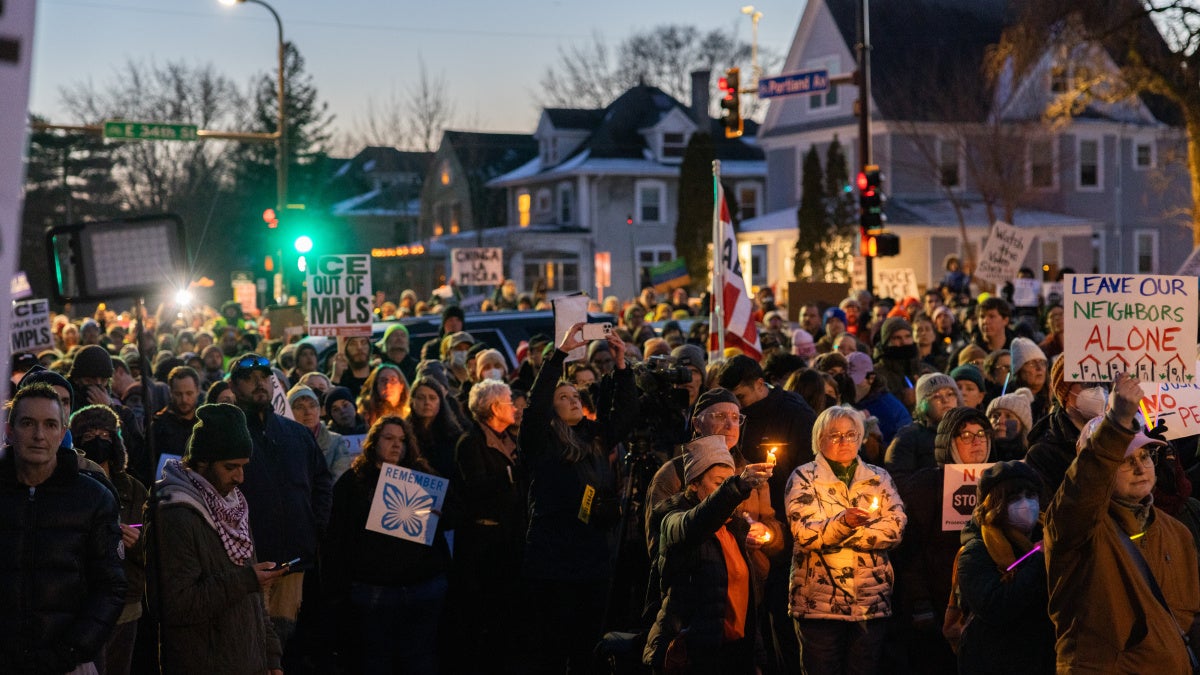
The shooting of Renee Nicole Good has sparked widespread protests and outrage. Thousands gathered for a vigil in Minneapolis on the night of January 7 , and demonstrations have erupted in cities across the country, including New York , san Francisco , Chicago ,and Seattle .
Initially, the Minneapolis Police Department announced a joint investigation with the FBI and the Bureau of Criminal Apprehension (BCA). Though, the BCA subsequently withdrew from the investigation after the FBI refused to share evidence , raising further questions about openness and accountability.
Eroding Oversight and the Need for Reform
Critics argue that the Trump administration’s dismantling of oversight mechanisms within the Department of Homeland Security (DHS) has contributed to this climate of impunity. The Office for Civil Rights and Civil Liberties (CRCL), responsible for investigating abuses within DHS, has been severely understaffed, hindering its ability to provide effective oversight .
Furthermore, the increasing use of unmarked vehicles and agents with obscured faces during ICE operations makes it arduous to identify and hold individuals accountable for misconduct .
Looking Ahead
The shooting of Renee Nicole good underscores the urgent need for comprehensive immigration reform and increased accountability for federal law enforcement agencies. Human Rights Watch and other advocacy groups are calling for:
* A thorough and obvious investigation into the shooting, with full access to all evidence.
* self-reliant oversight of ICE operations.
* Restoration of funding and staffing for the DHS Office for Civil Rights and Civil Liberties.
* A reevaluation of ICE’s use-of-force policies.
“Good’s death is a horrifying example of the dangers posed by law enforcement agencies that have been empowered to act recklessly,” said Ida sawyer, crisis, conflict and arms director at Human Rights Watch.“The authorities should investigate the killing publicly and thoroughly and ensure that justice is done.”
The case of Renee Nicole Good serves as a stark reminder of the human cost of increasingly aggressive immigration enforcement and the critical importance of protecting civil liberties and ensuring accountability within our law enforcement systems.
