
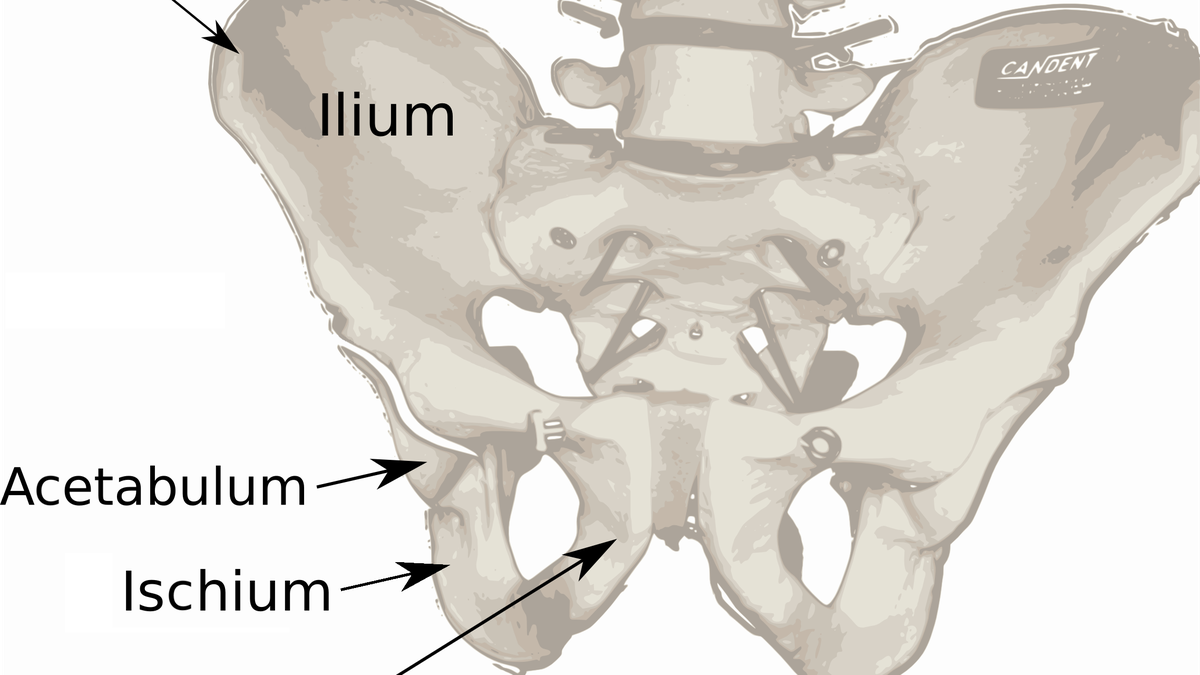
Human Pelvis Evolution Unlocked: Two-Step process Revealed in Embryonic Development
LONDON,August 31,2025 – A groundbreaking new study published in Nature today has illuminated the developmental origins of bipedalism,the defining characteristic separating humans from other primates.Researchers have discovered that the evolution of the human pelvis – short, broad, and bowl-shaped for upright walking and childbirth – occurred through a two-step reprogramming of embryonic development.
For over a century, scientists have recognized bipedalism as a pivotal moment in human evolution, but the underlying mechanisms remained elusive. Unlike apes, the human pelvis is uniquely structured to support internal organs and facilitate the delivery of large-brained infants. Traditional research focusing on fossil anatomy and biomechanics proved insufficient to explain how this transformation occurred at a molecular level.
The international team, comprised of researchers from Germany, Ireland, the U.K., and the U.S., meticulously examined human embryonic pelvises, comparing them to those of mice, chimpanzees, and gibbons. Utilizing histology, micro-CT scanning, single-cell multi-omics, and spatial transcriptomics, they mapped cartilage zones, tracked bone formation, and catalogued gene activity during critical weeks of development.
The study revealed two key innovations. Frist, the growth plate of the iliac cartilage – the broad upper bone of the pelvis – expanded horizontally in humans, resulting in a wider, shorter pelvis, unlike the vertical elongation seen in apes and mice. Second, bone formation began later in human embryos, initiating at the posterior edge of the ilium and spreading outward, allowing for continued pelvic widening before ossification. These shifts were linked to alterations in human DNA and a network of developmental regulators.
“By redirecting cartilage growth and delaying bone formation,human embryos gained a pelvis capable of supporting upright walking and accommodating childbirth,” the researchers explained.
The findings not only shed light on the evolutionary path of Homo sapiens but also offer potential insights into pelvic malformations observed in skeletal disorders. Moreover, the research may explain why fossil hominins like Australopithecus already possessed short, wide pelves millions of years ago.
[Image of a labelled diagram of the human pelvis, as provided in the original text]
| Photo Credit: Public domain
