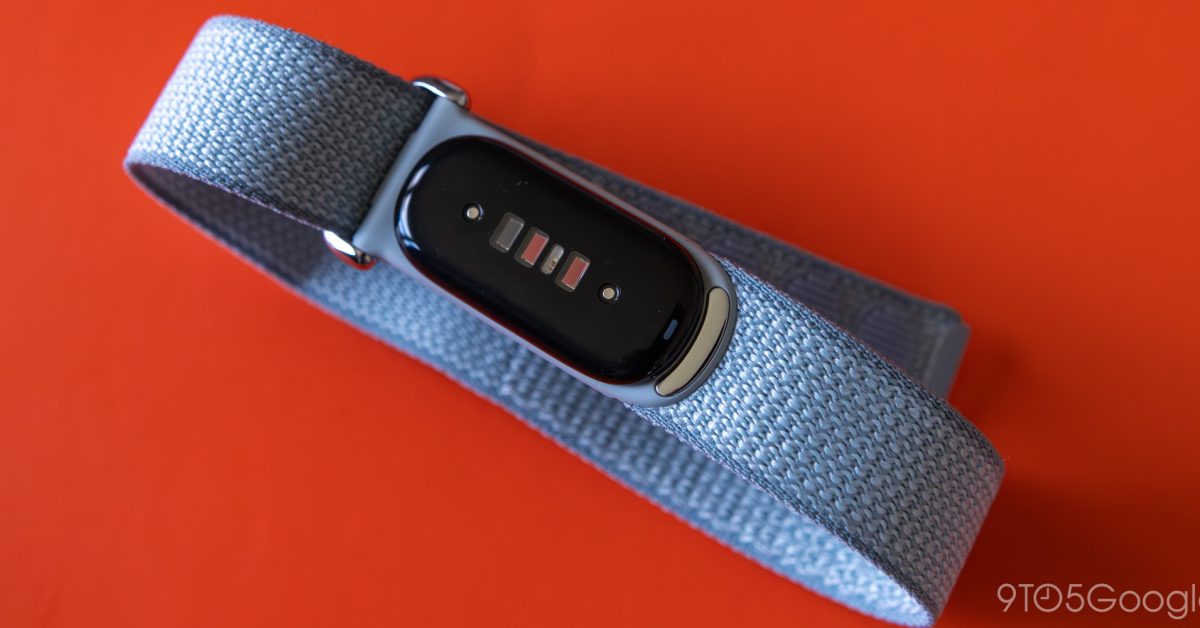
Google Health 5.11 Update Expands Automatic Workout Tracking and Adds Fitbit Air Health Guardian Features
Google Health version 5.11 began rolling out on October 23, 2026, introducing expanded automatic activity detection and new Health Guardian features for specific wearable devices. The update, which is currently available on iOS with a phased rollout continuing for Android users, integrates deeper contextual analysis into daily activity logs and sleep tracking metrics across the Fitbit Air and various Pixel Watch generations.
The Tech TL;DR:
- Automated Logging: The system now detects up to 100 activities—including strength training and team sports—using contextual data to improve detection accuracy by nearly 2x.
- Health Guardian Expansion: Fitbit Air users with a Google Health Premium subscription can now track estimated blood pressure and insulin resistance trends, with initial reports arriving in early November.
- Metabolic and Sleep Updates: The app now allows for direct integration with Lingo by Abbott for faster glucose syncing and provides more granular control over sleep data, specifically regarding nap editing and wake detection.
Automatic Activity Recognition Expands to 100 Activities
The update expands automatic activity recognition from 10 to 100 distinct activities. By using historical user data, manual edits, and workout routines, the software reduces missed workout logs by more than 50%. This feature is currently available on the Fitbit Air and Pixel Watch 3, 4, and 5. The Fitbit Edge is slated to receive these capabilities upon its market launch on October 27, 2026. The backend logic requires a minimum duration of 15 minutes with sustained elevated heart rate to trigger an automatic log, with summaries appearing in the Google Health app within approximately 30 minutes of completion. The system is designed to learn from user corrections, using manual inputs to refine future predictive accuracy.

Health Guardian Features for Fitbit Air
Google is restricting its new Health Guardian features to Fitbit Air users who maintain a Google Health Premium subscription. These tools, which monitor estimated blood pressure patterns and insulin resistance trends, are positioned as wellness insights rather than clinical diagnostic tools. The blood pressure feature functions by analyzing pulse and movement patterns to estimate long-term trends, while the insulin resistance tracker monitors metabolic shifts over time.
Eligibility for these reports is tied to hardware usage requirements: users must wear their Fitbit Air for at least five consecutive days in October for blood pressure trends, and seven days and nights for insulin resistance metrics. The first of these reports is scheduled for release at the beginning of November 2026.
Sleep and Glucose Monitoring Improvements
The 5.11 update refines the sleep tracking algorithm by incorporating step data to better identify brief nocturnal awakenings. This update also provides users with the ability to manually remove erroneous nap records from the nap card interface. In the metabolic health segment, Google has rebranded the “Blood glucose” section to “Glucose.” For users in the United States, the app now supports direct integration with Lingo by Abbott, which reduces data latency by syncing readings within 30 minutes. Users managing continuous glucose monitor (CGM) data can now configure custom time-in-range goals within the Metabolic section of the Health tab.

Health Tab -> Metabolic -> Glucose -> Settings -> Set goalHardware Fragmentation Affects Version 5.11 Rollout
While the feature set is broad, hardware fragmentation remains a significant factor in the rollout. The arrival of the 5.11 application update does not guarantee uniform functionality across all wearable devices, as capabilities are strictly gated by sensor availability and subscription status. The phased rollout of version 5.11 is expected to conclude for Android users in the coming week.