
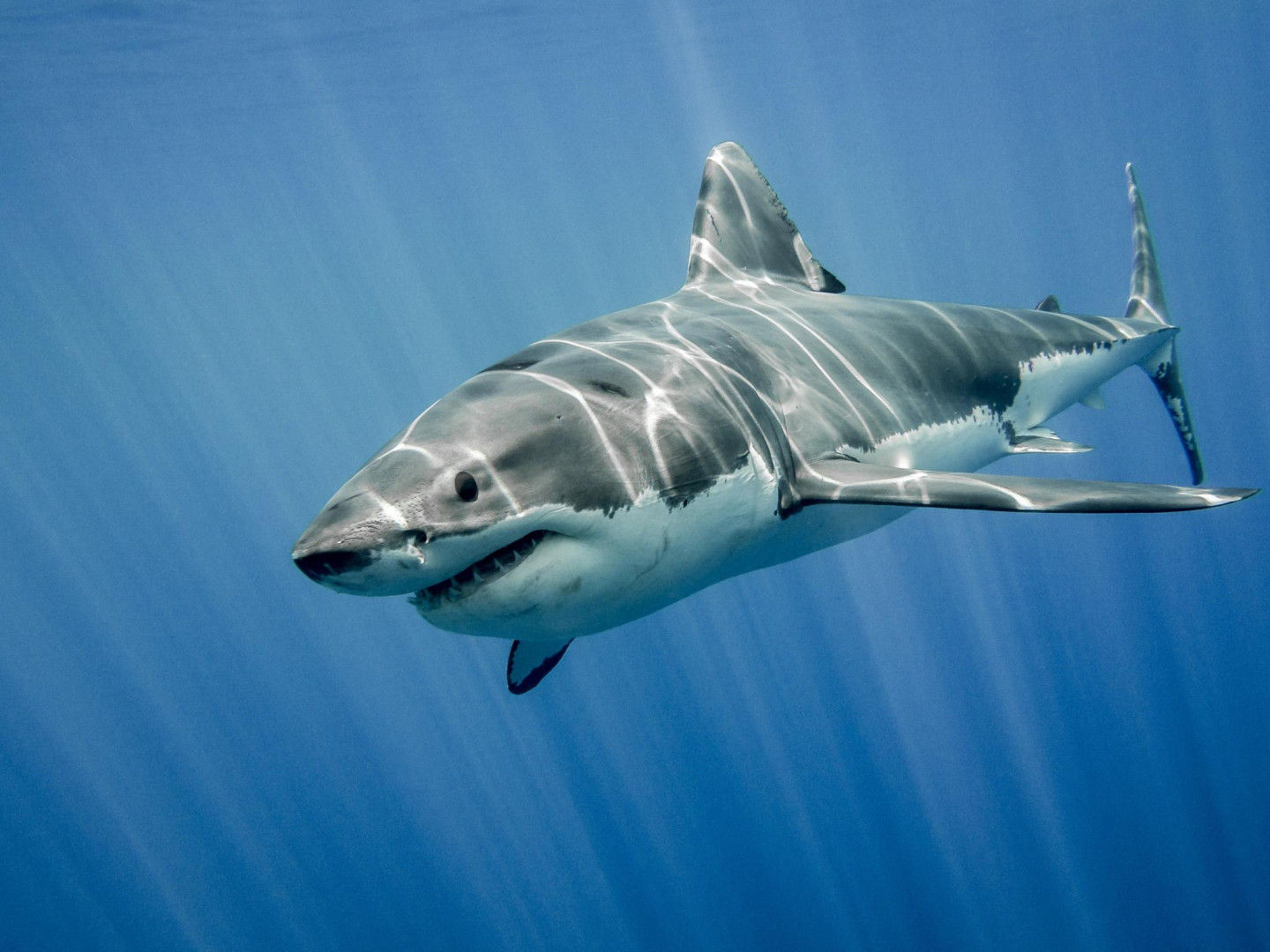
Worldwide, unprovoked shark attacks rose significantly in 2025, with 65 reported incidents compared to 47 in 2024, according to data released by the International Shark Attack File (ISAF) at the Florida Museum of Natural History. The increase marks a return to levels exceeding the five-year average of 61 attacks annually.
The surge in attacks was accompanied by a near doubling of fatalities. Twelve deaths were attributed to shark bites globally in 2025, almost twice the seven recorded in 2024. Researchers suggest a potential link between the rise in fatalities and an increasing population of great white sharks, particularly in areas frequented by surfers in Australia.
Australia experienced a disproportionate share of the fatalities, with five of the twelve deaths occurring within its borders. The country also recorded 21 total shark attacks in 2025, a notable increase from the nine incidents and zero fatalities reported in 2024. A particularly tragic incident occurred near Crowdy Bay, New South Wales, in November, where a 20-year-old woman was fatally attacked by a bull shark whereas swimming with a companion, who sustained serious injuries.
The United States reported the highest overall number of attacks, with 25 incidents – a slight decrease from the 28 recorded in 2024. One fatality occurred in the U.S. In December, when Erika Fox, a 55-year-old triathlete, disappeared during a group training swim off the coast of Santa Cruz, California.
Florida continued to be a hotspot for shark encounters, accounting for 11 of the U.S. Attacks, with six occurring in Volusia County along the Atlantic coast. Despite its reputation, the state and county experienced a slight decrease in attack numbers compared to previous years.
California and Hawaii each reported four unprovoked attacks without any fatalities. South Carolina recorded two incidents, while New York, North Carolina, and Texas each had one.
The ISAF report also highlighted several first-time occurrences. In South Africa, a fisherman became the first documented victim of a dusky shark attack. A similar fatal incident in Israel in April was classified as provoked and therefore not included in the global statistics. Canada recorded its first unprovoked shark attack since 2021, when a great white shark bit into a man’s stand-up paddleboard, though the man was unharmed.
The “big three” shark species – great white, tiger, and bull sharks – remain responsible for the majority of serious injuries. Despite the increase in attacks, the report emphasized that the global shark population remains significantly below historical levels due to overfishing. The statistical probability of being attacked by a shark remains very low.
In a separate discovery, scientists have identified a large sleeper shark, estimated to be 3-4 meters in length, in the Antarctic Ocean, challenging previous assumptions about the biodiversity of the region.
