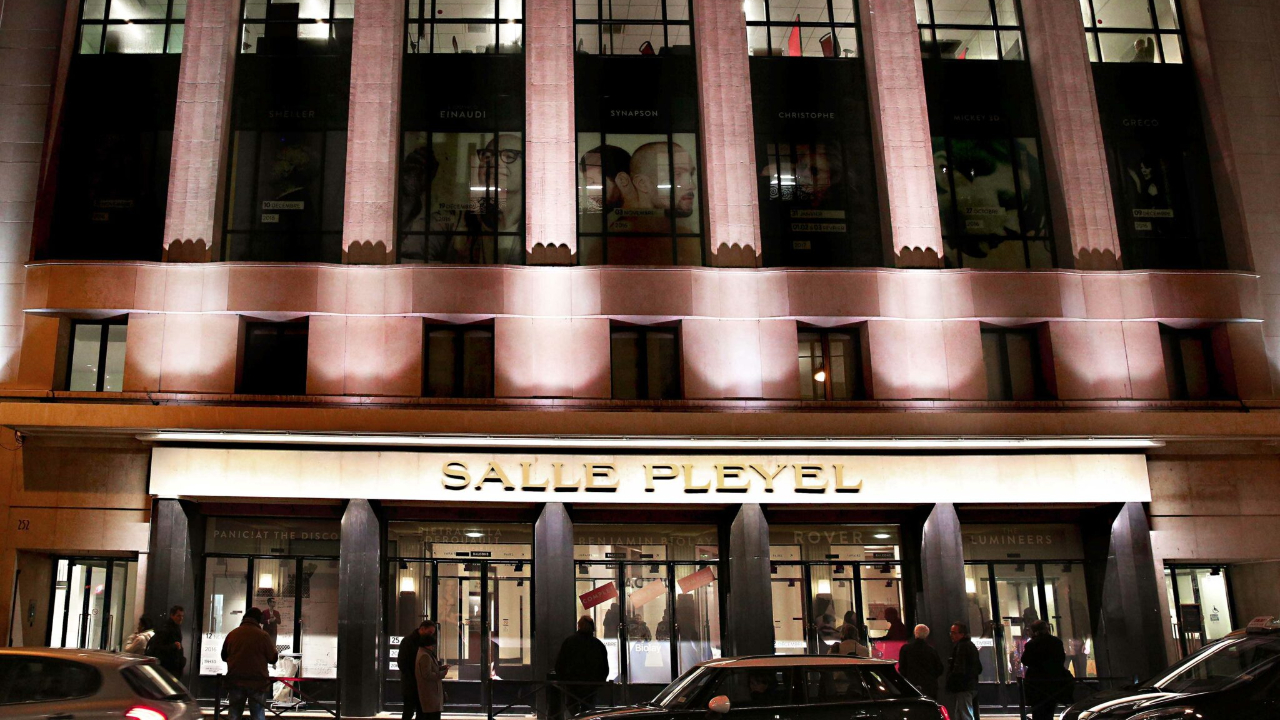
GL Events Approved to Acquire Fimalac Venues Including Salle Pleyel
GL Events has secured regulatory clearance to acquire 25 event venues from Fimalac, including the iconic Salle Pleyel in Paris. This strategic consolidation strengthens GL Events’ dominance in the French live entertainment and MICE sectors. The deal, pending final Ministry of Economy validation, targets an April 16 closing date to capitalize on post-pandemic market recovery.
The Lyon-based conglomerate is not merely expanding its real estate portfolio; it is executing a defensive moat against global competitors. By absorbing Fimalac’s regional assets, GL Events transforms from a service provider into a venue owner-operator with unparalleled scale. This vertical integration solves a chronic liquidity problem for mid-tier event organizers who struggle to secure premium dates during peak fiscal quarters. For the broader market, this signals a shift where asset-heavy balance sheets become the primary leverage point in negotiation.
The MICE Pivot and Revenue Diversification
Olivier Ginon, CEO of GL Events, views this acquisition as a critical lever to dominate the MICE (Meetings, Incentives, Conferences, and Exhibitions) segment. While live concerts generate headline buzz, corporate conferences provide the steady EBITDA margins required to weather economic volatility. The integration of these 25 regional halls allows GL to offer turnkey solutions, bundling venue rental with their existing exhibition management services.
Competitors lacking similar asset density face a squeeze. They must now rely on third-party landlords who may prioritize GL Events’ internal bookings. This creates an immediate demand for strategic consulting firms capable of helping smaller operators negotiate long-term lease agreements or identify alternative niche markets. The barrier to entry for new players has just risen significantly.
The financial logic is sound. Owning the venue eliminates the variable cost of rental fees for GL’s own events, instantly improving gross margins on their exhibition division. It also creates a captive audience for their technical production and catering subsidiaries. This cross-selling opportunity is where the real value lies, not just in ticket sales.
Regulatory Hurdles and the Fimalac Exit
The Autorité de la concurrence gave the green light, but the scrutiny was intense. Regulators examined whether this consolidation would create a monopoly in specific regional markets, particularly in cities where GL Events already held significant market share. The approval suggests that the French government views a strong national champion in the events sector as preferable to fragmentation.
Fimalac is not exiting the stage entirely. By taking a 1% stake in GL Events, Marc Ladreit de Lacharrière signals confidence in the merged entity’s valuation. This equity swap is a classic maneuver in high-stakes M&A, aligning the seller’s interests with the buyer’s future performance. It reduces the immediate cash outlay for GL Events while giving Fimalac exposure to the upside of the combined group.
However, the deal remains subject to final validation by the Ministry of Economy. This layer of bureaucracy is standard for transactions impacting national cultural heritage sites like the Salle Pleyel. Legal teams are currently working around the clock to satisfy remaining conditions precedent. For corporations navigating similar cross-border or regulated acquisitions, the complexity underscores the necessity of retaining specialized corporate law firms with deep ties to local regulatory bodies.
“Asset consolidation in the events sector is accelerating. We are moving from a model of aggregation to one of ownership. Companies that do not secure their own venues will find themselves priced out of the premium market by 2027.” — Senior Analyst, European Hospitality & Leisure Sector
Operational Integration Challenges
Acquiring the keys is the easy part. Harmonizing the operations of 25 disparate venues under a single P&L is a logistical nightmare. Each venue comes with its own legacy staff, union agreements, and technical infrastructure. GL Events must rapidly deploy a unified CRM and booking system to realize the synergies promised to shareholders.
This operational friction creates a massive opportunity for B2B technology providers. The market will spot a surge in demand for enterprise resource planning (ERP) solutions tailored for venue management. Integrating ticketing systems, catering logistics, and facility maintenance into one dashboard is no longer optional; it is a survival requirement.
the cultural integration of Fimalac’s teams into GL Events’ corporate structure cannot be overlooked. Talent retention in the events industry is fragile. If key venue managers defect during the transition, the value of the acquisition erodes quickly. Human capital due diligence is just as critical as financial due diligence in these scenarios.
The Road to April Closing
With the closing targeted for April 16, the clock is ticking. The timeline is aggressive, designed to capture the Q2 and Q3 booking windows which are crucial for the fiscal year. Any delay could push revenue recognition into 2027, impacting short-term investor sentiment.
GL Events is betting that the post-pandemic rebound in live events will continue its upward trajectory through 2026. By controlling the supply of premium venues, they dictate the pricing power. This is a bold play in a market that has historically been fragmented, and local. The Lyon group is attempting to nationalize the industry standard.
Investors should watch the Q2 earnings call closely for updates on integration costs. Synergies rarely materialize as quickly as management projects. There will be one-off costs related to rebranding, IT migration, and potential severance packages. These headwinds could temporarily depress margins before the long-term benefits kick in.
The acquisition of Fimalac’s venues is more than a real estate transaction; it is a statement of intent. GL Events is positioning itself as the infrastructure backbone of French culture and commerce. For the rest of the industry, the message is clear: adapt to the new scale of operations or risk obsolescence. As the dust settles on this deal, the demand for specialized M&A advisory and integration services will only intensify, driving the next wave of B2B growth in the sector.