
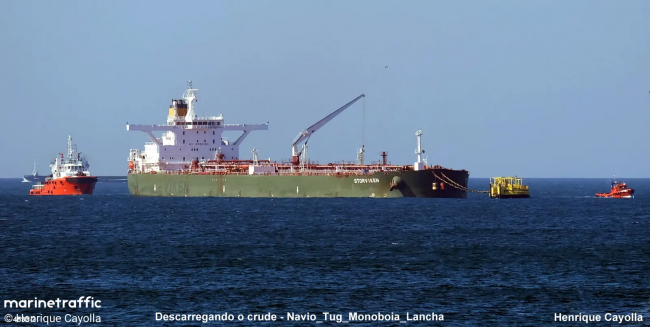
Germany Confiscates Eventin tanker: A Blow to Russian Sanctions Evasion
Berlin takes decisive action against a vessel allegedly circumventing Western sanctions, impacting global energy dynamics.
German Authorities Seize Oil Tanker Suspected of Sanctions Evasion
German authorities have escalated their efforts to enforce sanctions against Russia by confiscating the eventin oil tanker, a vessel suspected of transporting Russian crude oil while circumventing Western restrictions. The move marks a significant escalation in the enforcement of sanctions and sends a strong message to those attempting to bypass them.
The German Ministry of Finance confirmed the seizure, stating that “the confiscation of the Eventin tanker, on board of which is 100 thousand tons of crude oil, creates the conditions for the disposal of the vessel and its cargo.” The estimated value of the confiscated cargo is approximately 40 million euros.
This action represents a notable step by an EU member state as the imposition of sanctions in February 2022, following Russia’s invasion of Ukraine. Experts suggest that Germany’s assertive stance aims to deter further attempts to transport Russian oil through the Baltic Sea while evading sanctions.
The Eventin’s Journey and Apparent Malfunction
the Eventin tanker, sailing under the flag of Panama, had reportedly departed from the Russian port of Ust-Luga in January. According to reports, the tanker was en route to the Suez Canal, a common transit point for shipments heading towards destinations like india. However, around January 9th, the ship deviated from its course and began drifting south towards the German island of Rügen.
initial reports indicated that the tanker experienced engine failure, necessitating a tow to the German coast. However, suspicions quickly arose that the vessel was part of a “shadow fleet” designed to circumvent western sanctions on Russian oil exports.
According to Der Spiegel, the German government’s unusually strict measures against the tanker reflect a determination to demonstrate to Russia that berlin will not passively observe the transportation of Russian oil through the baltic Sea in violation of sanctions.
Implications for the U.S.and Global energy Markets
The confiscation of the Eventin tanker has implications for the United States and the global energy market. As a major player in international sanctions enforcement,the U.S. closely monitors actions taken by its allies, such as Germany. This seizure could embolden other nations to take similar steps against vessels suspected of sanctions evasion.
For U.S. consumers, the impact on gasoline prices is indirect but potentially significant. By reducing the supply of Russian oil available on the global market, actions like the Eventin seizure can contribute to upward pressure on prices. Though, the overall effect depends on a complex interplay of factors, including production levels in other countries, demand fluctuations, and geopolitical events.
furthermore, the incident highlights the ongoing challenges in enforcing sanctions effectively. “Shadow fleets” and other evasive tactics pose a significant obstacle to Western efforts to restrict Russia’s revenue streams. The U.S.and its allies must continually adapt their strategies to counter these evolving methods.
Expert Analysis and Potential Counterarguments
Some analysts argue that confiscating the tanker and its cargo could be viewed as an overly aggressive measure, potentially escalating tensions with Russia. They might contend that stricter monitoring and enforcement of existing sanctions would be a more measured approach.
However, proponents of the seizure argue that it sends a clear deterrent message and demonstrates a commitment to upholding international law. They emphasize the importance of preventing Russia from using oil revenues to fund its military operations in Ukraine.
The legal basis for the confiscation is also subject to debate. While Germany asserts its right to enforce sanctions within its territorial waters, Russia could challenge the legality of the seizure under international maritime law.
Recent Developments and Future Outlook
Following the confiscation, German authorities replaced the Eventin’s crew and assumed control of the vessel and its cargo, according to Bloomberg. The fate of the oil is currently uncertain, but it could be sold to generate revenue for Ukraine or used to offset Germany’s energy costs.
The incident is likely to spur further scrutiny of shipping activities in the Baltic Sea and other regions where sanctions evasion is suspected. The U.S.and its allies are expected to enhance their intelligence gathering and facts sharing to identify and disrupt illicit oil shipments.
Looking ahead, the effectiveness of sanctions enforcement will depend on continued international cooperation and a willingness to take decisive action against those who violate them. The Eventin seizure serves as a reminder that the fight against sanctions evasion is an ongoing and evolving challenge.
