
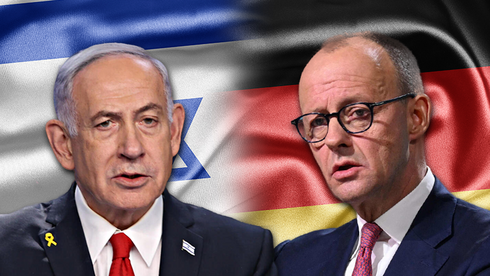
Germany Halts Arms Exports to Israel Over Gaza Operations
Major Policy Shift Marks Growing European Scrutiny of Israeli Actions
Germany is suspending all military equipment exports to Israel that could be deployed in Gaza, a significant departure from its traditionally strong support for the Jewish state. Chancellor Friedrich Merz announced the immediate measure, citing concerns over Israel’s planned expansion of military operations in the Strip.
Shift Amid International Pressure
The decision signals a notable change in Berlin’s stance, reflecting increasing international pressure on Israel regarding its conduct in Gaza. Merz affirmed Israel’s right to self-defense against Hamas but urged caution, stating, “Hamas must not play a role in the future of Gaza.”
He also called on Israel to avoid further steps toward West Bank annexation.
Germany is halting military exports to Israel that could be used in Gaza until further notice. Chancellor Friedrich Merz said this Friday in response to Israel’s plan to expand its military operations there. This marks a significant shift for one of Israel’s staunchest allies in Europe. pic.twitter.com/0nQxY4k1oA
— World News (@WorldNews) May 10, 2024
The Chancellor also highlighted Germany’s priorities: securing a ceasefire and facilitating the release of hostages. He expressed profound concern over the civilian suffering in Gaza, urging Israeli leaders to exercise restraint in their military actions.
European Allies Echo Concerns
Germany’s move follows a period of what some observers described as a de facto quiet arms embargo, with weapon deals scaled back. This policy shift comes as several European nations are re-evaluating their arms export licenses to Israel. French President Emmanuel Macron had previously called for a Gaza-related arms embargo in October.
Merz‘s declaration underscores a deepening erosion of Israel’s support in Europe. Analysts suggest Germany may not be the last European nation to impose restrictions. Countries like Italy and Britain have reportedly been delaying export licenses, indicating a coordinated cautionary approach among allies.
Global Condemnation of Gaza Plans
The announcement coincided with international outcry over Israel’s approved plan to take control of Gaza City. Dutch Foreign Minister Caspar Veldkamp deemed the move “wrong,” citing the “catastrophic” humanitarian situation and warning it would not aid hostage recovery. Belgium’s Foreign Ministry summoned Israel’s ambassador to express “total opposition,” referencing “continued colonization” and annexation intentions in the West Bank. Denmark similarly urged Israel to “immediately reverse” its decision.
Australia was among the first to respond, with Foreign Minister Penny Wong stating, “Australia calls on Israel to not go down this path, which will only worsen the humanitarian catastrophe in Gaza.”
British Prime Minister Keir Starmer was equally direct, calling the escalation “wrong” and urging reconsideration, warning it would lead to more bloodshed rather than peace.
The International Court of Justice (ICJ) recently ordered Israel to halt its offensive in Rafah, a critical step in ongoing proceedings concerning allegations of genocide. This ruling, which comes amid significant international diplomatic pressure, highlights the gravity of the humanitarian crisis in Gaza, where over 37,000 Palestinians have been killed since the conflict began, according to Gaza’s Health Ministry. The conflict continues to draw widespread global condemnation and calls for de-escalation.
