
Former North Korean Diplomat Details Pyongyang‘s Latin American Network, Citing Venezuela, Cuba & Mexico as Key Hubs
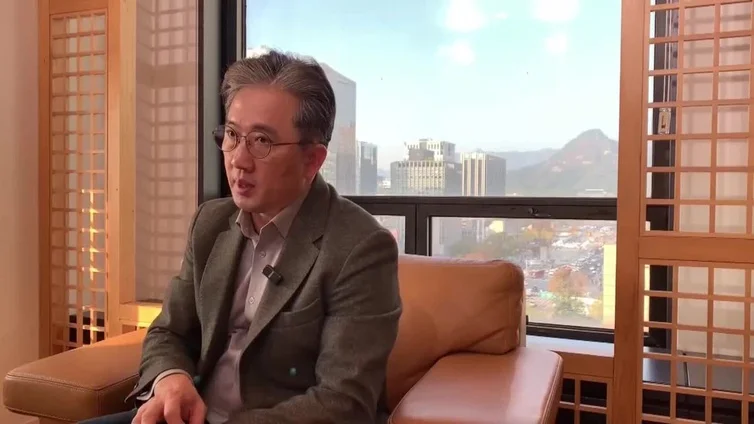
WASHINGTON D.C. – A former North Korean diplomat who defected to South Korea has revealed details of a clandestine network Pyongyang utilizes in Latin america for political support, espionage, and illicit financial activities. The revelations, made public this week, point to Venezuela, Cuba, and Mexico as crucial nodes in this operation, leveraging ideological alignment and strategic geographic positioning.
Lee, now a member of the Advisory Council for the Peaceful Unification of Korea, detailed how North Korea actively supports left-wing political parties in the region, specifically mentioning Mexico’s Labor Party and other latin American formations where it maintains “quite an impact.”
The report highlights Cuba’s consistent diplomatic backing of North Korea on the international stage. According to data from Cadal (Center for the Opening and Progress of Latin America), Cuba voted against resolutions addressing human rights violations in North Korea on six occasions between 2008 and 2020. Lee explained that Cuba “cooperates by speaking out in favor of North Korea or abstaining when it is intentional to impose sanctions.”
Beyond political support, Lee alleges North Korean embassies are actively used for espionage. “North Korea has many spies who are acting under the title of diplomats,” he stated, identifying Cuba, Venezuela, and Mexico as key locations for these operatives due to “their ideological ties or strategic location.” He specifically noted Mexico’s border with the United States, suggesting North Korean agents have attempted to infiltrate the U.S., though he admitted lacking specific details.
The former diplomat also described a widespread practice of North Korean diplomats engaging in smuggling to supplement their meager incomes, exploiting the immunity afforded to diplomatic bags. “They put the Havana (cigars) in and take them (…) In Cuba they get them for 50 dollars a box and they sell them for 1,000 dollars outside,” Lee explained, asserting that “All (diplomats) are involved in these businesses.” He added that these postings offer diplomats a degree of freedom unavailable in North Korea, allowing them to form friendships with foreigners and even consume South Korean cultural content – activities severely punished at home.
Lee’s own career within the regime included receiving the Kim Jong-un Decoration in 2016 for his role in the recovery of the Chong Chon Gang ship, detained in panama, and leading the delegation that welcomed Cuban President Miguel Díaz-Canel to Pyongyang in 2018, where he briefly met Kim Jong-un.He ultimately defected due to his “rejection of a regime ‘where one is born and dies with the same destiny'” and a desire for a better future for his family.
His experiences are detailed in his memoirs, The Kim Jong-un that I saw, soon to be published in Spanish and English. “In South Korea I can choose my job… here at least I’m not afraid of dying of hunger. I am happy when I see my family happy,” he concluded.
