
new Florida Law Mandates Epinephrine Access in Schools Amid Rising Allergy Concerns
Clearwater, Florida – A new law in Florida is set to dramatically improve the safety of students with severe allergies. The legislation requires all K-8 public schools to proactively identify and respond to allergic reactions, including anaphylaxis, and mandates that school personnel are trained to administer epinephrine in emergency situations.
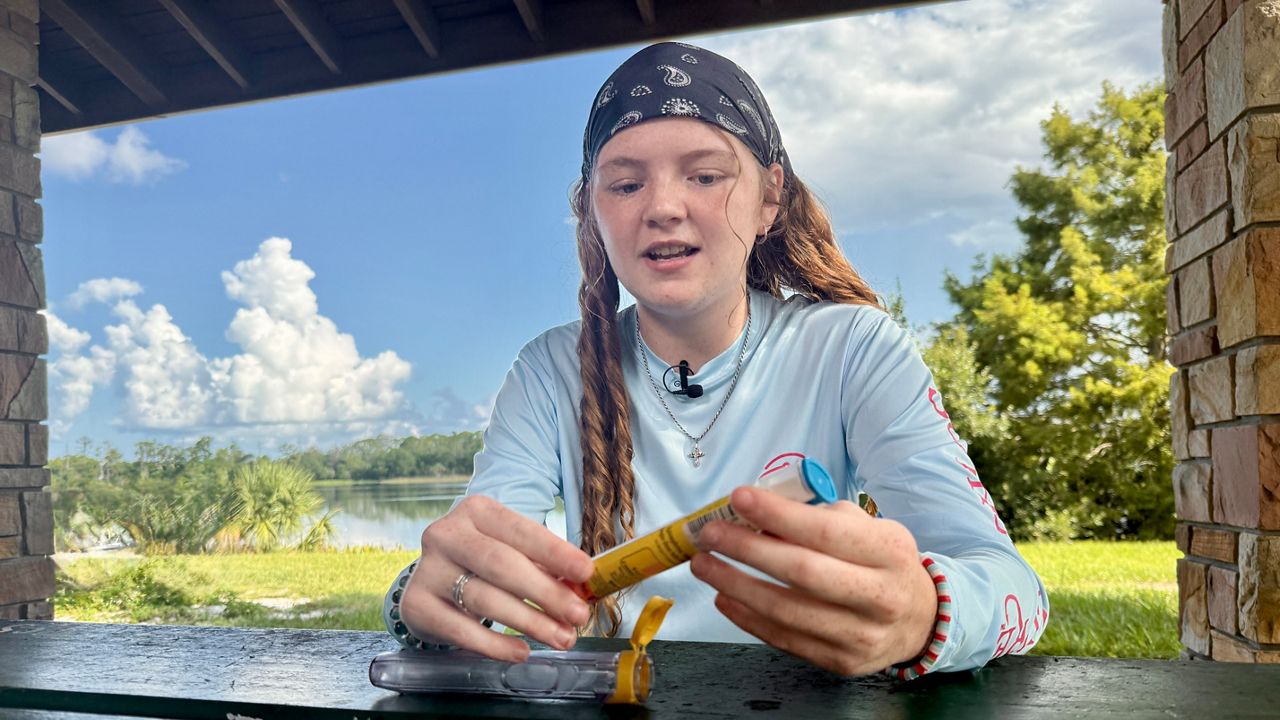
the push for this law gained momentum following incidents like that of Alicia Smith, a local teen who experienced a life-threatening allergic reaction to coconut during her freshman year.Smith had to self-administer her EpiPen to prevent a fatal outcome. “I have an allergy to coconut,” Alicia explained. “When I touch it, I break out in rashes and hives, but when I eat it, my throat starts to close up.”
For Alicia’s mother, Cynthia Smith, the new law offers a significant sense of relief. “It’s heart wrenching, especially when you get a call from a school saying she’s on her way to the E.R. as she had an allergic reaction and had to use her EpiPen,” Cynthia said. “I think it’s amazing the peace of mind.”
Medical experts emphasize the critical nature of swift intervention in anaphylactic reactions. Dr. Siddarth Goyal, an emergency room physician at Orlando Health Bayfront hospital, described anaphylaxis as a “true emergency.” Symptoms can escalate rapidly, including difficulty swallowing, breathing problems, swelling of the lips and tongue, stomach pain, vomiting, and a risky drop in blood pressure or a dangerously fast heart rate.
The new law addresses a significant public health need. According to the Florida Department of Health’s 2022-2023 Annual School Health Services Report, approximately 76,000 students in Florida have life-threatening allergies. Furthermore, an additional 112,680 students diagnosed with asthma are also at risk of severe allergic reactions when exposed to allergens.
Beyond immediate emergency response, the law also promotes preventative measures. Schools are now required to develop comprehensive allergy management plans, including procedures for identifying students with allergies, minimizing exposure to allergens, and educating staff and students about allergy awareness. This includes training on recognizing the signs of an allergic reaction and proper EpiPen administration techniques.
The legislation builds upon existing efforts to improve school health services in Florida. Prior to this law, many schools relied on volunteer nurses or limited staff training to address student allergies. This new mandate ensures a consistent and standardized approach to allergy management across the state’s public K-8 schools.
Dr. Goyal lauded the new law, stating, “I think it’s extremely important. I’m really glad they did this as,like I said,seconds matter in this kind of situation. And also you have a child who’s scared.”
Understanding Anaphylaxis: A Growing Concern
Anaphylaxis is a severe, potentially life-threatening allergic reaction that occurs rapidly and can affect multiple body systems. Common triggers include foods (like peanuts, tree nuts, milk, eggs, soy, wheat, fish, and shellfish), insect stings, medications, and latex. While anyone can experience anaphylaxis, individuals with a history of allergies are at higher risk.
Early recognition and treatment are crucial. Epinephrine is the first-line treatment for anaphylaxis,and prompt administration can definitely help reverse the symptoms and prevent a fatal outcome. Individuals with known allergies should carry an epinephrine auto-injector (EpiPen) and be trained on its proper use.
What does this mean for parents?
Parents of children with allergies should work closely with their school to develop an individualized allergy action plan. This plan should outline the child’s specific allergies, symptoms, emergency contact details, and instructions for administering epinephrine. It’s also essential to ensure that school staff are aware of the child’s allergies and trained to respond appropriately.
What are your thoughts on this new law? share your experiences and concerns in the comments below. Don’t forget to subscribe to world-today-news.com for the latest updates on health and safety news, and share this article with your network to raise awareness about allergy preparedness!
