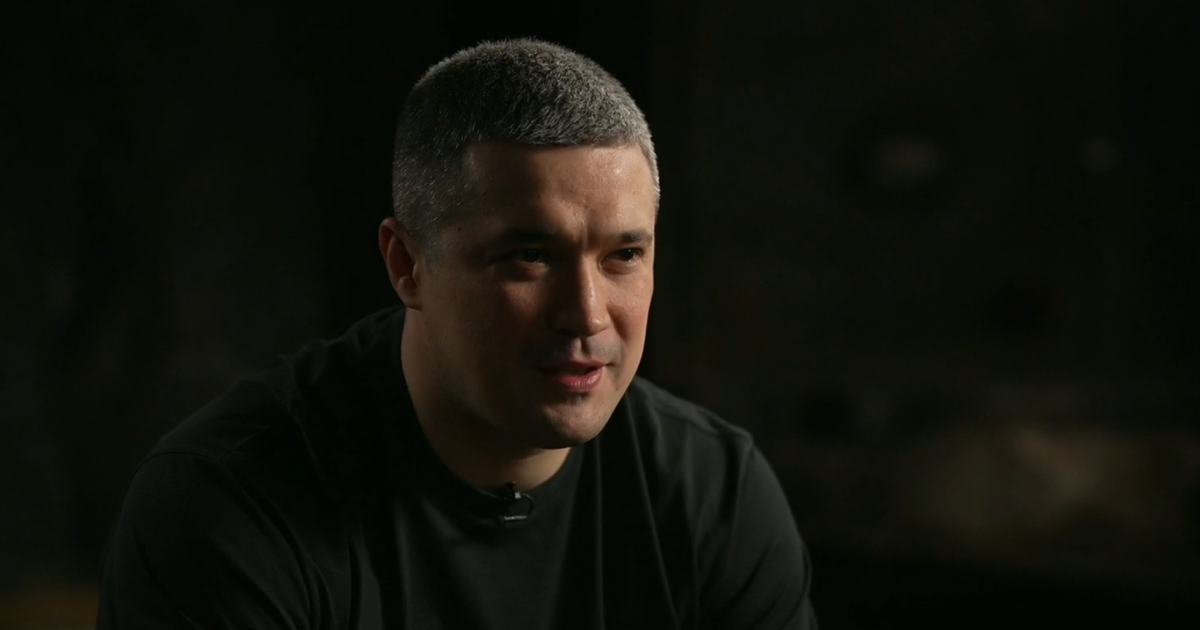
Fired Ukrainian Defense Minister Fedorov Warns of “Technological War” With Russia
On July 16, 2026, Ukraine’s recently dismissed defense minister, Mykhailo Fedorov, warned that the country is locked in a high-stakes “technological war” with Russia. According to reports from CBS News and NPR, Fedorov’s departure follows a major government reshuffle orchestrated by Ukrainian President Volodymyr Zelenskyy amid battlefield shifts and internal military friction.
The Fallout of a High-Stakes Government Reshuffle
President Volodymyr Zelenskyy removed Mykhailo Fedorov from his post after a six-month tenure marked by rapid innovation in unmanned aerial vehicle deployment. According to NPR, Fedorov’s dismissal occurred during a broader government overhaul that also saw the parliamentary approval of Prime Minister Serhii Koretskyi, the former CEO of Naftogaz. While international defense partners secured critical supply agreements—including European Union drone production deals and U.S. Patriot missile production licenses granted during the NATO summit in Turkey—domestic turbulence followed Fedorov’s exit.
Large protests erupted across several Ukrainian cities on Thursday morning, with demonstrators demanding the reinstatement of the popular former minister. Pavlo Yelizarov, a deputy commander of Ukraine’s air force, stepped down from his post in protest, calling the dismissal a severe blow to national defense capabilities. Lawmaker Oleksandr Merezhko, affiliated with Zelenskyy’s party, noted that appointing Fedorov initially was among the administration’s strongest wartime decisions.
Navigating these sweeping administrative shifts and maintaining robust supply chains requires specialized oversight.
Clashes Over Military Strategy and Modernization
The friction leading to the shakeup centers on starkly different approaches to military strategy. During a public appearance in Kyiv, Fedorov criticized traditional military leadership, specifically pointing to army chief Gen. Oleksandr Syrsky for allegedly blocking modernization efforts and failing to prioritize asymmetric warfare against Russian forces. “Instead of figuring out how to defeat Russia asymmetrically, which is the army chief’s task, he has figured out how to divide the country,” Fedorov stated, according to NPR coverage.
During a joint press conference with British Prime Minister Keir Starmer, President Zelenskyy acknowledged the deep ideological split between Fedorov and Syrsky. Zelenskyy admitted that mediation failed to bridge the gap, stating that the leaders could not work together without direct intervention.
As state structures adapt to these leadership changes, maintaining institutional compliance and transparent operational frameworks is vital.
The Shift Toward Automated Defense and Supply Chain Integrity
Fedorov’s tenure was defined by the integration of advanced technology, including mid-range drone campaigns designed to disrupt Russian logistics in Crimea and occupied territories. He also successfully persuaded tech executives to restrict adversary access to satellite communication terminals. Ihor Fedirko, head of the Ukrainian Council of Defense Industry, characterized Fedorov as a face of modern warfare who successfully reshaped operational rules without shirking personal responsibility.

To succeed Fedorov, Zelenskyy appointed Yevhen Khmara—previously heading the security service—as acting defense minister. Khmara brings extensive experience from long-range strike campaigns targeting Russian oil infrastructure. Meanwhile, speculation points toward Interior Minister Ihor Klymenko as a potential permanent successor, a former police general known for more conventional administrative approaches.
Managing the security, logistical, and technical demands of a modern industrial defense base requires rigorous oversight.
The institutional friction and public demonstrations underscore a pivotal crossroads for Kyiv’s military strategy. Whether the incoming leadership can sustain the technological momentum established over the past six months remains the central question for Ukraine’s defense apparatus.
Worth a look
- Près de deux millions de personnes à Gaza ont encore besoin d’une aide en matière d’abri, alors que
- Mobile Suit Gundam Seed Freedom Zero North American Release Date and Cast Revealed
- Sitka School District warns FCC E-Rate program review threatens budgets (archyde.com)
- £54 Million: UK Boosts Ukraine Aid and Tightens Russia Sanctions (newsdirectory3.com)