
Europe Prioritizes Russia Ties Over Iran Nuclear Deal, Utilizing Tehran as Leverage in Transatlantic Power Struggle
WASHINGTON – A potential compromise to avert the reinstatement of UN sanctions on Iran is highly likely to fail, not due to Iranian intransigence, but as European powers and the United states are leveraging the nuclear issue to address separate geopolitical priorities – namely, relations with Russia and internal U.S.political considerations, according to analysis of the current negotiations.
Iran recently proposed an initial step involving the reclamation and dilution of its stockpile of 60% enriched uranium in exchange for a temporary postponement of the “snapback” deadline for sanctions. This would be followed by the permanent abolition of the snapback provision,dilution of the uranium stockpile to 20%,and a lifting of previously imposed sanctions – constituting a provisional accord leading to comprehensive negotiations. However, sources indicate the Trump management is poised to reject the offer, adhering to a “maximum pressure” strategy predicated on the belief that Iran is nearing collapse.
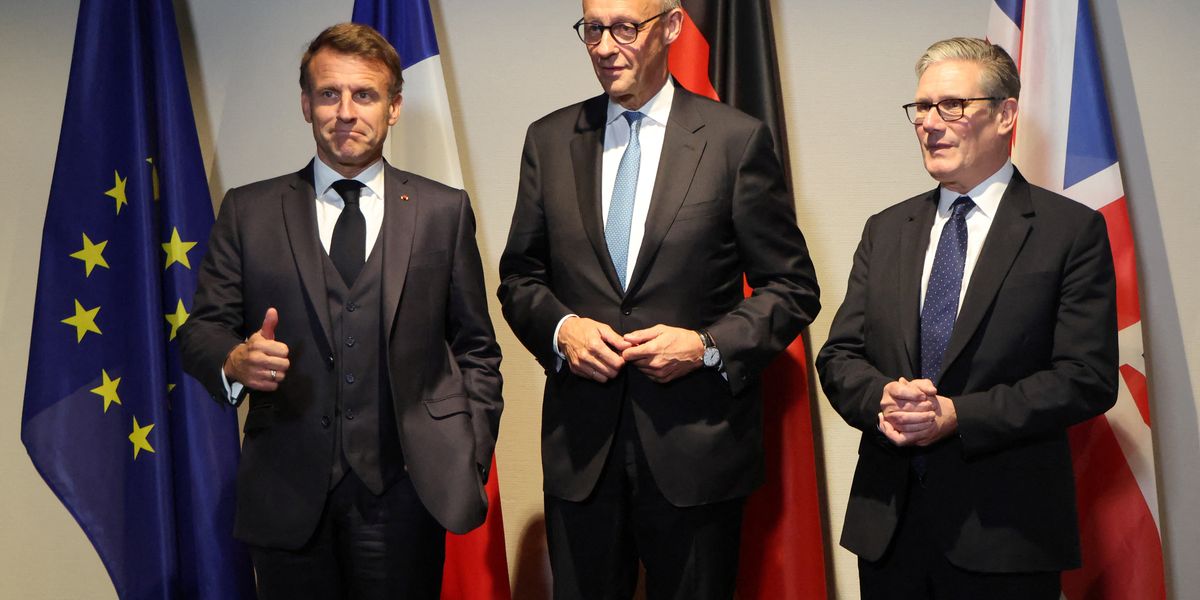
Meanwhile,European powers (the E3 – France,Germany,and the United Kingdom) are reportedly seeking to equip Washington with snapback authority,ostensibly to bolster a more assertive U.S. policy toward Russia. This dynamic reveals a critical shift in priorities: Europe’s relationship with Russia is demonstrably more important than resolving the Iranian nuclear issue, and Washington prioritizes appeasing domestic pro-Israel constituencies over avoiding escalation with Iran.
This situation mirrors a 2011 negotiation where Turkey and Brazil successfully secured Iranian agreement to U.S. demands to avert UN sanctions. However,as detailed in Trita Parsi’s losing the Enemy: Obama’s Triumph of Hope,the Obama administration had already reached a separate understanding with Russia to support UN sanctions and reassured U.S. hawks that Iran would ultimately be sanctioned regardless of Iranian compliance. The deal brokered by Turkey and Brazil was effectively undermined, revealing that the talks with Tehran were a facade for a larger strategic game.
current analysis suggests a similar pattern is unfolding. The dispute isn’t fundamentally about Iran’s enrichment program, but rather a contest between the U.S. and the EU concerning Russia,Ukraine,and the broader transatlantic relationship. Iran’s nuclear dossier, in this context, appears to be a pawn in a larger geopolitical struggle, with the E3 utilizing the issue to navigate complex relationships with both Washington and Moscow.
