
Egypt Advances Local Vaccine Production with GenVax & Minhai Collaboration
Egypt is taking significant strides towards self-sufficiency in vaccine production and bolstering regional health security through a strengthened partnership with GenVax Egypt and China’s Minhai. The collaboration, focused on the local manufacture of the pneumococcal conjugate vaccine (PCV13), aims to reduce reliance on imports, create economic opportunities, and contribute to Africa’s broader goal of increased vaccine independence.
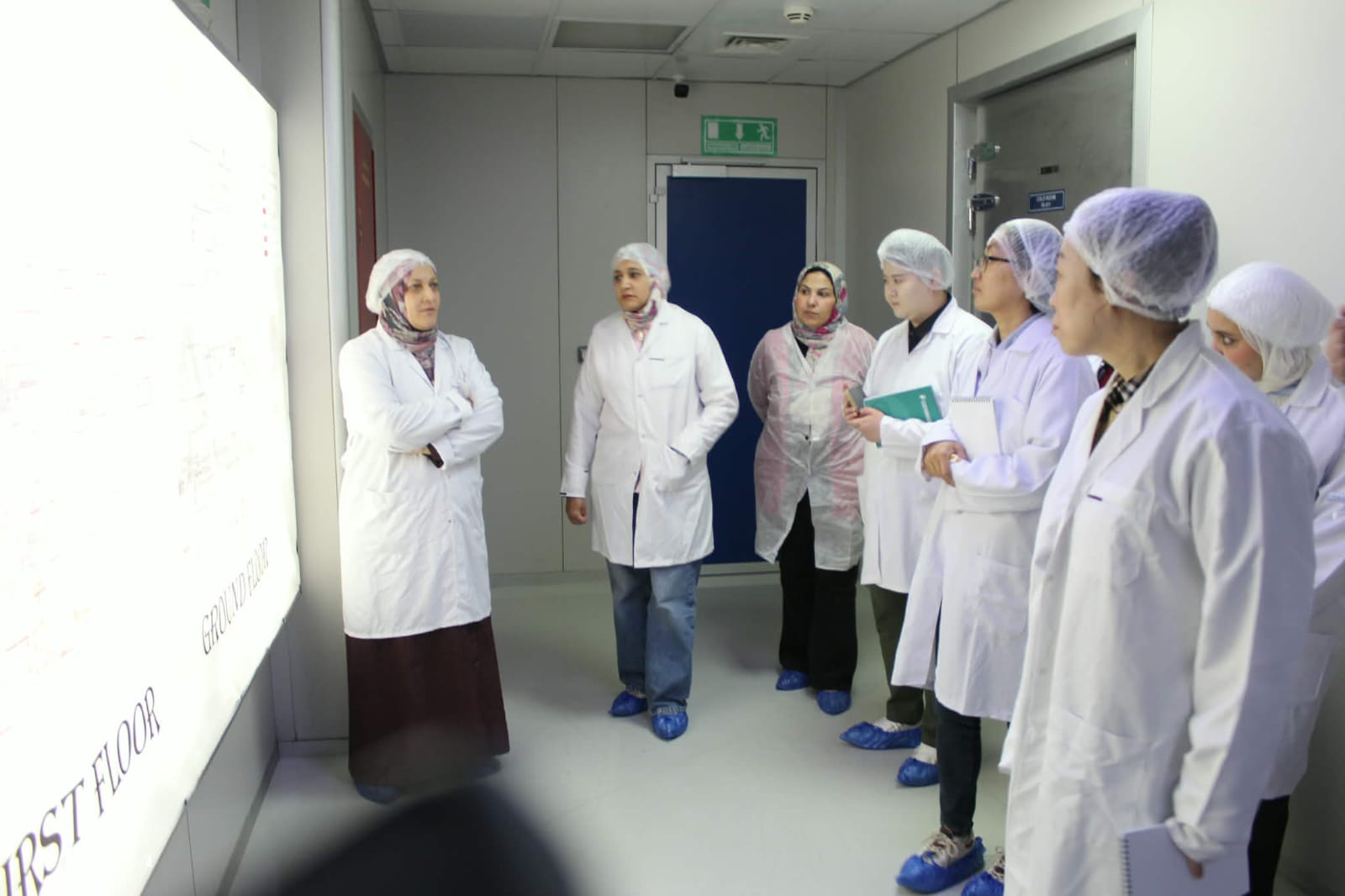
The Ministry of Health and Population recently announced that the state-owned Holding Company for Biological Products and Vaccines (VACSERA) hosted a delegation from GenVax Egypt and Minhai to accelerate the implementation of a “gap analysis” plan. This plan is a crucial step in activating an existing agreement to produce PCV13 on VACSERA’s production lines [https://www.egypttoday.com/Article/1/125499/Egypt-s-VACSERA-hosts-delegation-to-boost-local-vaccine-production].
Combating Pneumococcal Disease: Why PCV13 Matters
Pneumococcal disease, caused by the bacterium Streptococcus pneumoniae, remains a leading cause of morbidity and mortality worldwide, especially among children under five and the elderly. It manifests in various forms, including pneumonia, meningitis, and bloodstream infections. The PCV13 vaccine protects against 13 of the most common serotypes of this bacterium, offering a critical layer of defense against these potentially life-threatening illnesses [https://www.cdc.gov/pneumococcal/index.html].
Egypt’s commitment to local PCV13 production is therefore a vital public health initiative. Currently, many African nations are heavily dependent on imported vaccines, creating vulnerabilities in supply chains and hindering access to essential immunizations. local production offers a pathway to more stable and affordable vaccine access.
The VACSERA-GenVax-Minhai Partnership: A Detailed Look
the agreement between VACSERA and GenVax Egypt, now bolstered by the expertise of Minhai, represents a strategic move to leverage international collaboration for domestic benefit. VACSERA, a cornerstone of Egypt’s pharmaceutical industry, possesses established manufacturing infrastructure. GenVax Egypt brings local market knowledge and regulatory expertise.Minhai, a leading Chinese vaccine manufacturer, provides crucial technological support and know-how.
“activating this agreement will help meet Egypt’s national immunization requirements through local manufacturing, while also paving the way for expanded vaccine exports to regional and African markets,” stated Health Ministry spokesperson Hossam Abdel Ghaffar [https://www.egypttoday.com/Article/1/125499/Egypt-s-VACSERA-hosts-delegation-to-boost-local-vaccine-production].
The “gap analysis” currently underway is a complete assessment of VACSERA’s existing facilities, equipment, and personnel to identify areas needing upgrades or adjustments to meet the stringent quality control standards required for PCV13 production. This includes evaluating manufacturing processes, quality assurance systems, and regulatory compliance.
Sherif El-Fil,managing executive director of VACSERA,emphasized the commitment to full cooperation between the technical teams involved. “The parties had agreed to full cooperation between thier technical teams to complete the gap analysis as a preparatory step towards full activation of the contract,” he said [https://www.egypttoday.com/Article/1/125499/Egypt-s-VACSERA-hosts-delegation-to-boost-local-vaccine-production].
egypt’s Vision for African Vaccine Independence
This initiative aligns with a broader African Union (AU) strategy to produce at least 60% of the continent’s vaccine needs locally by 2040. The COVID-19 pandemic starkly highlighted the dangers of over-reliance on external vaccine sources, exposing significant inequities in access and distribution.
The AU’s Partnership for African Vaccine Manufacturing (PAVM) aims to address these vulnerabilities by investing in local manufacturing capacity, strengthening regulatory frameworks, and fostering technology transfer [https://www.africavaccine.org/]. Egypt’s efforts with PCV13 production are a concrete step towards realizing this enterprising goal.
“The project aligns with Egypt’s broader strategy to support Africa in producing at least 60% of its vaccine needs locally, reducing reliance on imports and generating significant economic savings across the continent,” Abdel Ghaffar added.
Economic Benefits and Future Prospects
Beyond the public health benefits, local vaccine production promises significant economic advantages for Egypt. Reducing import dependence will conserve valuable foreign exchange reserves. The creation of a domestic vaccine industry will generate employment opportunities in manufacturing, research, and growth. Furthermore, the potential for vaccine exports to regional and African markets represents a new revenue stream for the Egyptian economy.
The success of the PCV13 project could pave the way for the local production of other essential vaccines, further strengthening Egypt’s position as a regional hub for pharmaceutical manufacturing. VACSERA is already exploring opportunities to expand its product portfolio and collaborate with other international partners.
Challenges and Considerations
while the prospects are promising, several challenges remain. Maintaining
