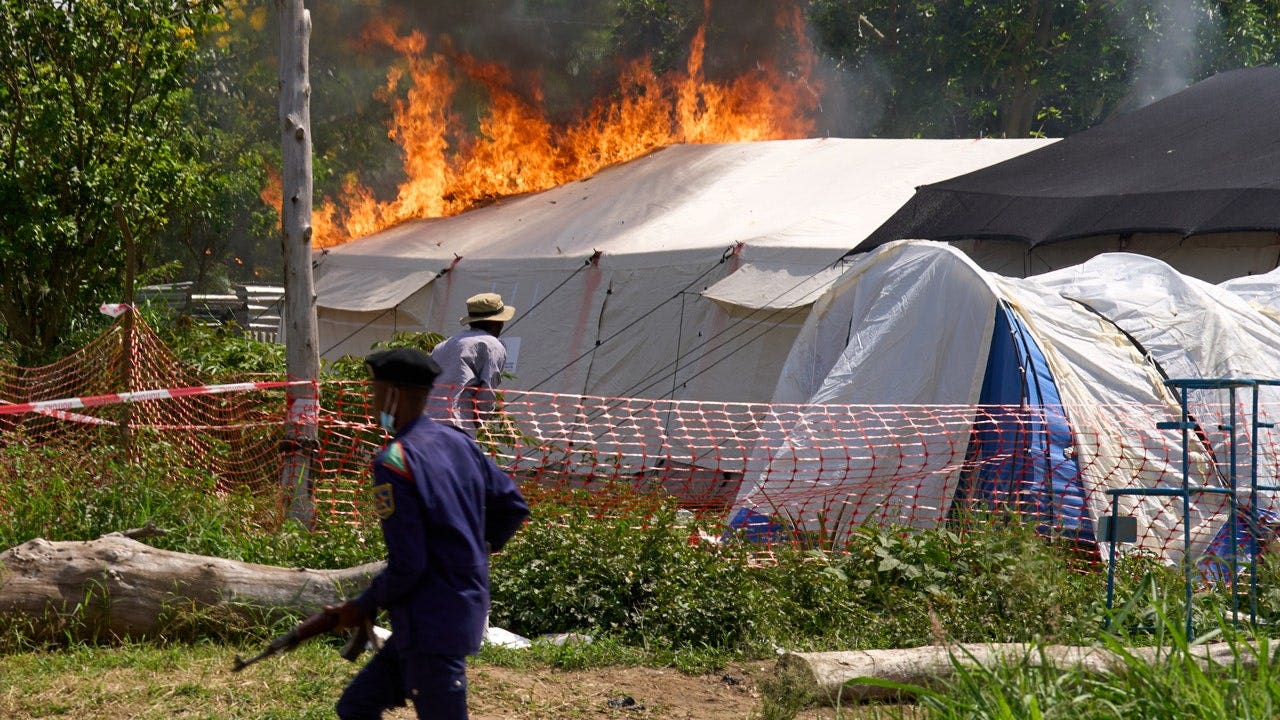
Ebola Treatment Facility in Congo Torched Amid Tensions Over Victim’s Remains
On May 22, 2026, civil unrest in the Democratic Republic of the Congo culminated in the destruction of an Ebola treatment facility. Local residents set the building ablaze amid deepening tensions regarding the handling of a victim’s remains, highlighting a critical breakdown in trust between public health authorities and the community.
This incident is not merely an act of vandalism; It’s a symptom of a systemic crisis. When communication between international health organizations and local populations falters, the resulting volatility threatens to undo months of containment efforts. As the death toll from the current outbreak surpasses 130, the physical destruction of medical infrastructure creates a vacuum that complicates both patient care and disease tracking.
The Fragile Equilibrium of Public Health
Ebola, a zoonotic viral hemorrhagic fever, demands rigorous adherence to clinical protocols to manage its high mortality rate, which can range from 25% to 90%. The virus, which spreads through direct contact with blood or body fluids, requires specialized facilities for isolation and supportive care. When these facilities are targeted, the immediate consequence is a total cessation of services in that sector.
The Centers for Disease Control and Prevention emphasizes that while vaccines exist for the Orthoebolavirus zairense species, the primary defense against widespread transmission remains the ability to isolate and treat patients effectively. The loss of a center in an area like Rwampara suggests that the social contract necessary for medical intervention has been severely compromised.
The Anatomy of Distrust
Public health experts often point to the “dry” symptoms of Ebola—fever, muscle pain, and headaches—as the period where containment is most difficult. If the community does not trust the medical personnel managing those early symptoms, they may avoid reporting, leading to wider community transmission. The recent destruction of the treatment center underscores the necessity for transparent coordination.

In regions where medical infrastructure is under constant threat, the role of emergency crisis management consultants becomes paramount. These professionals are tasked with navigating the delicate intersection of cultural sensitivity and clinical requirements, ensuring that burial practices and patient handling do not become flashpoints for civil disorder.
The destruction of the facility is an indicator that the community feels alienated from the process. Without a bridge between the clinical requirements of the response and the local cultural expectations regarding the deceased, we will continue to see these cycles of violence.
Infrastructure and the Cost of Instability
The logistical challenge of maintaining a functional response in the Congo is immense. Beyond the viral threat, the economic and social fabric is strained by the constant need for decontamination and the movement of resources. For local businesses and municipal leaders, the instability caused by such events necessitates a shift in operational strategy.
When fixed facilities are compromised, the burden shifts to mobile response units and temporary infrastructure. This requires the involvement of specialized logistics providers who can navigate high-risk environments while maintaining the cold chain and supply security. Failure to protect these assets directly correlates to a rise in transmission rates.
Navigating High-Risk Environments
For organizations operating in regions prone to viral outbreaks and civil unrest, the challenge is twofold: protecting staff and ensuring the continuity of essential services. This requires more than just medical expertise; it requires high-level risk assessment and legal oversight.

- Risk Mitigation: Engaging with security and threat assessment firms to evaluate the safety of medical sites.
- Legal Compliance: Ensuring that all international health initiatives comply with local municipal mandates through the use of international legal counsel.
- Community Engagement: Utilizing local mediation services to prevent the escalation of tensions before they result in the destruction of property.
The situation in the Democratic Republic of the Congo remains fluid. As the international community considers how to “lean into” the response, the priority must be the restoration of public trust. Without the local community’s cooperation, even the most advanced medical resources are destined to fail.
A Forward-Looking Warning
The events of the past 48 hours serve as a stark reminder that medicine does not exist in a vacuum. It is deeply embedded in the social, political, and cultural landscape of the region it serves. As we look toward the coming months, the success of the containment effort will not be measured by the number of vaccines distributed, but by the ability of the response teams to integrate themselves into the community fabric.
For those currently managing assets, personnel, or humanitarian projects in high-volatility zones, the time to review your contingency plans is now. Whether it involves securing your physical assets or ensuring your legal protocols are robust enough to withstand regional instability, professional guidance is essential. We encourage those tasked with these responsibilities to consult our directory of verified risk management and crisis resolution professionals to ensure your operations are shielded against the unpredictable nature of global health emergencies.