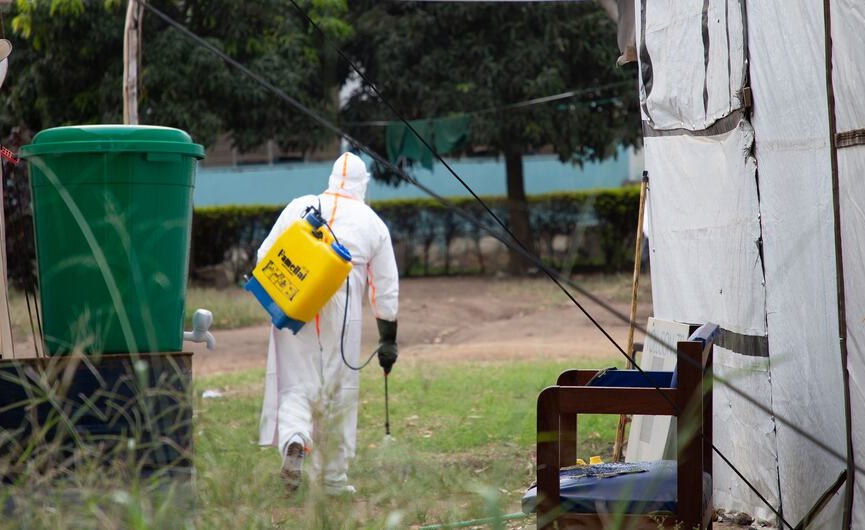
DR Congo Ebola Outbreak Death Toll Reaches 2,325 Amid UN Warning
An ongoing Ebola outbreak in the Democratic Republic of Congo has killed 2,325 people according to government figures. The United Nations reports that the deadly virus is claiming one life every 30 minutes in the country, straining local healthcare infrastructure and forcing emergency containment measures across multiple provinces.
Geographic Spread and Regional Health Impact
The current public health crisis is primarily concentrated in the eastern provinces of the Democratic Republic of Congo. According to health ministry data, Ituri remains the worst-affected area, accounting for more than 90% of all recorded infections. North Kivu and South Kivu are also heavily impacted by the viral transmission.
The World Health Organization has warned that ongoing conflict in eastern regions of the country severely complicates response efforts. The M23 rebel group currently maintains control over large parts of both North and South Kivu, restricting the movement of medical personnel and delaying the distribution of vital supplies.
Beyond domestic borders, neighboring Uganda has also confirmed cases tied to this event. World Health Organization figures indicate that 20 people have been infected in Uganda, resulting in two confirmed deaths.
Government Containment Measures and Travel Restrictions
In response to the accelerating infection rate, Congolese authorities have implemented strict public movement controls. Interior Minister Jacquemain Shabani issued a directive banning mass gatherings in the capital city of Kinshasa, as well as in Tshopo, Haut-Uele, and Bas-Uele. While Kinshasa sits approximately 1,800 kilometers (1,100 miles) away from the eastern epicenters, officials expressed deep concern over the potential spread to the metropolis of 18 million residents.
The preventative measures follow an incident where a doctor who tested positive for Ebola in France had previously passed through Kinshasa after working at an eastern treatment center. Consequently, the government instituted a mandatory 21-day quarantine period for all travelers moving from Ebola-affected regions to other parts of the country.
These restrictions have sparked political friction. Prominent opposition figures have publicly criticized the ban on mass gatherings, alleging the directive is a political maneuver designed to stifle a planned protest march organized by the C64 coalition against a proposed presidential term-limit law. Prince Epenge, spokesperson for the Lamuka coalition, condemned the order as illegitimate, while opposition figures in Kinshasa urged residents to ignore the restrictions.
Viral Strain Characteristics and Medical Trials
Public health authorities have identified this specific outbreak as stemming from the Bundibugyo species of the ebolavirus. No licensed vaccine currently exists for this particular strain, complicating containment strategies. However, the Africa Centres for Disease Control and Prevention announced that clinical trials for new antiviral treatments could begin as soon as this week.
Both US public health authorities and the Africa CDC note that this epidemic expanded undetected for weeks before official confirmation, giving the virus a significant head start. Mitigating the long-term economic and societal fallout requires specialized institutional coordination.
Looking Forward: Long-Term Economic and Infrastructural Recovery
As the Democratic Republic of Congo battles the Ebola epidemic, the broader economic consequences continue to compound across affected provinces. Regional trade corridors remain vulnerable to quarantine protocols, and local municipalities face mounting pressures on sanitation and emergency medical systems. Mitigating future waves will depend heavily on sustained international medical backing, expedited antiviral trials, and local administrative resilience.
