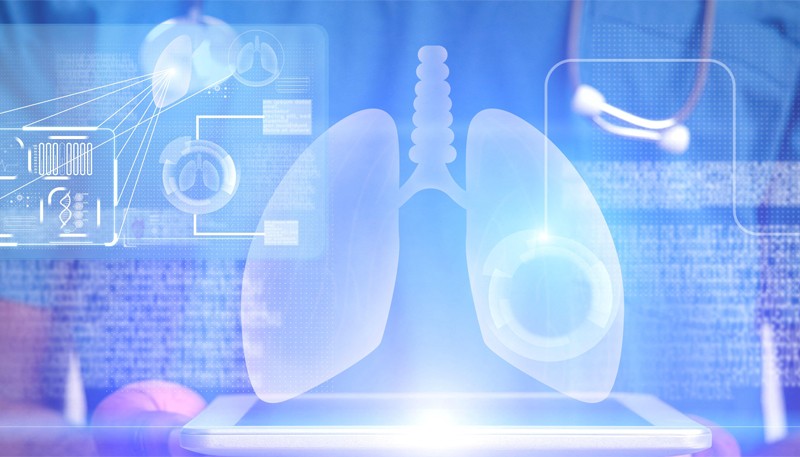
Digital Twins for Modeling Lung Function and Transplant Suitability
The landscape of thoracic medicine is undergoing a seismic shift as clinicians move beyond traditional organ assessment toward the precision of digital modeling. As of May 29, 2026, research published in Nature Medicine (doi:10.1038/d41591-026-00029-z) reveals that multimodal data derived from hundreds of donor lungs undergoing ex vivo lung perfusion (EVLP) has successfully enabled the creation of high-fidelity “digital twins.” This breakthrough offers a computational paradigm for predicting lung function and therapeutic efficacy long before a donor organ is ever introduced to a recipient.
Key Clinical Takeaways:
- Researchers have utilized multimodal datasets from ex vivo lung perfusion to construct digital twins capable of simulating complex pulmonary physiology.
- These computational models allow for the high-precision prediction of therapeutic outcomes and organ suitability, potentially reducing transplant rejection rates.
- The integration of machine learning into transplant protocols represents a fundamental evolution in standard-of-care practices for end-stage lung disease.
The Clinical Architecture of Pulmonary Digital Twins
The pathogenesis of chronic respiratory failure often renders the selection of suitable donor lungs a high-stakes clinical gamble. Traditionally, ex vivo lung perfusion (EVLP) has served as the gold standard for evaluating donor lungs—functioning as a bridge that allows clinicians to assess organ viability outside the human body. However, the current study highlights how this process can be augmented. By aggregating multimodal data—spanning hemodynamic, ventilatory, and molecular markers—researchers have developed digital twins that act as virtual surrogates for the donor lung.

This computational scaffolding allows for the simulation of various pharmacological interventions and physiological stressors. Rather than relying on static snapshots of organ health, the digital twin provides a dynamic, predictive environment. This is particularly critical when navigating the contraindications often associated with immunosuppressive protocols or donor-recipient mismatching. For medical facilities aiming to integrate these advanced diagnostic capabilities, consulting with board-certified pulmonologists is essential to ensure that institutional protocols align with these emerging predictive standards.
Data Provenance and the Future of Transplant Medicine
The validity of this research hinges on the density and quality of the multimodal data utilized. By subjecting hundreds of donor lungs to rigorous ex vivo perfusion, the study establishes a robust baseline for modeling. This shift toward “in silico” medicine does not merely augment the current standard of care; it fundamentally redefines the risk-benefit analysis for surgical candidates.
“The transition from observational assessment to predictive modeling in thoracic transplantation is not merely an incremental gain—it is the bedrock of a new era of personalized surgical planning.”
The infrastructure required to support such high-level data integration is significant. Healthcare administrators and clinical directors are currently tasked with upgrading their telemetry and diagnostic interfaces to accommodate these computational models. For those managing complex transplant waiting lists, engaging with specialized transplant centers that utilize high-throughput data analysis is a proactive measure to mitigate morbidity and improve long-term graft survival.
Regulatory Compliance and the Digital Transition
The adoption of digital twin technology in a clinical setting introduces complex regulatory hurdles. As these models evolve from research tools to diagnostic aids, the necessity for stringent data privacy and clinical validation becomes paramount. The healthcare industry is witnessing a rapid pivot toward digital infrastructure, requiring legal and operational oversight to ensure that the integration of AI-driven diagnostics remains within the bounds of current patient safety guidelines.
Organizations must prioritize the retention of healthcare compliance attorneys to navigate the shifting regulatory landscape surrounding predictive diagnostics. Failure to align with these evolving standards can lead to significant operational bottlenecks, particularly as oversight bodies begin to scrutinize the algorithmic transparency of these digital twins. The goal remains consistent: to maximize the utility of every donor organ while minimizing the risk of adverse physiological responses in the recipient.
Bridging the Gap Between Research and Practice
The trajectory of this research suggests that the future of respiratory care will be defined by the synthesis of clinical expertise and computational power. As we move closer to widespread adoption, the objective remains the reduction of transplant-related morbidity. Whether through the refinement of ex vivo perfusion techniques or the deployment of digital twins, the focus remains on enhancing the precision of donor selection.

For patients currently awaiting transplantation, the advancements detailed in Nature Medicine offer a tangible increase in the likelihood of successful organ matching and graft longevity. It is recommended that patients and their families maintain close contact with their care teams to discuss how these emerging technologies may impact their specific treatment path. For further insights into the clinical application of these technologies, patients should seek guidance from vetted thoracic surgery specialists capable of interpreting the complexities of modern transplant protocols.
Disclaimer: The information provided in this article is for educational and scientific communication purposes only and does not constitute medical advice. Always consult with a qualified healthcare provider regarding any medical condition, diagnosis, or treatment plan.