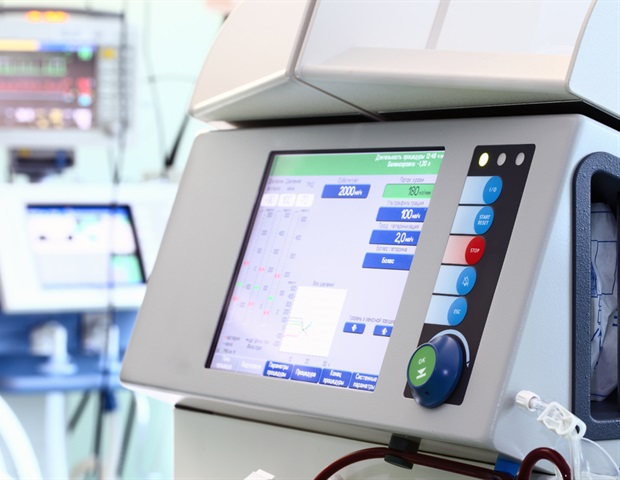
CHLA Expands Neonatal Dialysis Use, Treats Over 25 Infants Since 2023
Children’s Hospital Los Angeles (CHLA) has expanded its use of Carpediem dialysis technology to treat more than 25 newborns and infants since the program launched at the start of 2023.
The system is designed for continuous renal replacement therapy (CRRT) in patients weighing as little as 2.5 kilograms, or approximately 5.5 pounds. According to Rachel Chapman, MD, Associate Chief of Neonatology in the Fetal and Neonatal Institute at CHLA, the technology provides treatment options for infants who previously had few or no alternatives. “It has transformed what is possible for newborns with acute kidney injury or chronic kidney disease,” she told News-Medical. Medical staff at the facility manage these cases through a multidisciplinary collaboration between the departments of Neonatology and Nephrology. Pediatric dialysis nurses perform daily treatments, while a specialized team from the Level IV Newborn and Infant Critical Care Unit oversees the infants during therapy. Interventional Radiology also supports the program by placing dialysis catheters without the need for surgical lines, a process that minimizes trauma for the patients. The hospital provides care for newborns experiencing severe acute kidney injury, metabolic disorders, or congenital anomalies.
Dr. Chapman advises clinicians to monitor for signs of distress, including rising creatinine levels, fluid overload, or absent urine output, to ensure early intervention. “Newborns with acute kidney injury can deteriorate quickly,” Dr. Chapman said. “Calling early gives our teams time to make recommendations for medical management or safely transport the baby if needed.”
Successful outcomes rely on the coordination of the care team rather than the machinery alone, according to Rachel Lestz, MD, MHS, Chief of Nephrology and the GOFARR Chair in Nephrology at CHLA.
“We have an experienced, multidisciplinary team that manages these highly complex patients,” she stated. While receiving therapy, infants are monitored for potential complications such as bleeding or clotting. Following the treatment, hospital teams work with families to determine a prognosis, which may include kidney recovery, ongoing management of underlying conditions, or a transition to long-term dialysis.