
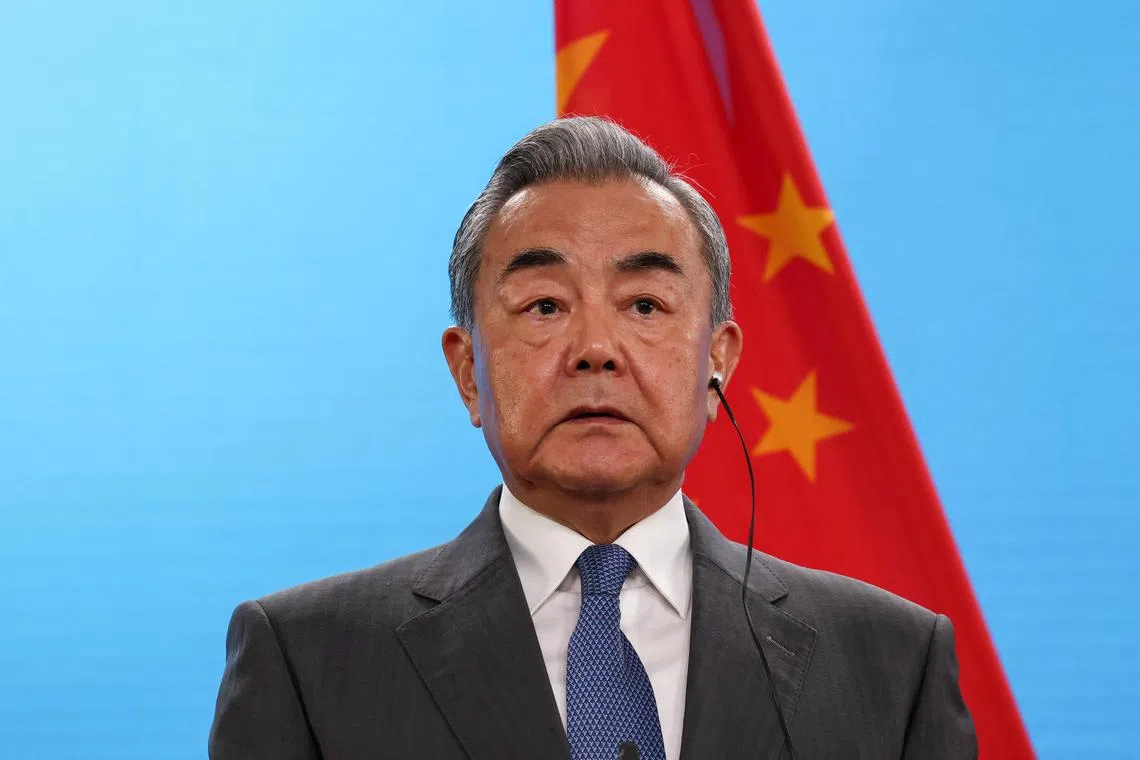
EU-China Summit Trimmed Amid Trade Tensions: What’s at Stake?
China summit faces cutbacks, signaling escalating tensions over trade imbalances and geopolitical issues. What does this mean for future relations?">
Beijing has requested the cancellation of the second day of a planned summit with European Union leaders scheduled for later in July, signaling rising tensions between Brussels and Beijing. The meeting, initially planned as a two-day event, will now be condensed into a single day in Beijing on July 24, 2025 [1].
Summit Details and Changes
Originally, the summit was to feature European Commission President Ursula Von der Leyen and European Council President Antonio Costa meeting with Chinese President Xi Jinping and Premier Li qiang in Beijing. Following this, the delegation planned to travel to Hefei for a business summit on July 25. Though, the Hefei leg of the trip has now been called off.
Did You Know? …
The EU Chamber of Commerce in China had been inviting members to sign up for the Hefei meetings as recently as July 3, highlighting the unexpected nature of the cancellation.
Underlying Tensions in EU-China Relations
Several factors contribute to the strained relationship. These include disagreements over the war in Ukraine,Chinese industrial policy,and an increasingly unbalanced trading relationship. China’s export controls on rare earth magnets,crucial for various European industries,have exacerbated these tensions [2].
Adding to the friction, the EU imposed tariffs on Chinese electric vehicles in 2024, prompting China to launch anti-dumping investigations into European brandy, dairy, and pork products. The brandy probe is expected to conclude on July 6, 2025.
Pro Tip: Keep an eye on the conclusion of the brandy probe, as it could further escalate or de-escalate trade tensions.
Recent Diplomatic Efforts
The summit changes coincide with Chinese Foreign Minister Wang Yi’s visit to Europe, including meetings in Brussels, Germany, and France. During a meeting on July 2, European foreign policy chief Kaja Kallas emphasized the need to rebalance the economic relationship and eliminate “distortive practices,” such as restrictions on rare earth exports.
Kallas also urged China to end its support for Russia’s military-industrial complex and to support a full and unconditional ceasefire in Ukraine.Wang yi, in response, stated that both sides should view each other as partners rather than rivals and address differences through communication [3].
China’s Concerns
Beijing is reportedly concerned that the EU might enter into a trade agreement with the United States that could harm Chinese interests. Chinese officials are particularly wary of provisions similar to those in Britain’s deal with the US, which include commitments related to supply chain security, export controls, and ownership rules in sectors like steel.
Key metrics: EU-China Trade Relationship
| Metric | Value | Year |
|---|---|---|
| EU Imports from China | €472.3 billion | 2023 |
| EU Exports to China | €224.8 billion | 2023 |
| EU Trade Deficit with China | €247.5 billion | 2023 |
Cancelled Meetings Preceding the Summit
prior to the summit adjustments, the flagship EU-China High-Level Economic and Trade Dialogue and a digital forum were also canceled. The EU reportedly called off the economic meeting due to a lack of progress on trade issues.
Evergreen Insights: Background, context, and Past Trends
The EU-China relationship has historically been complex, balancing economic cooperation with concerns over human rights, trade practices, and geopolitical alignment. While trade between the two entities has grown significantly over the past decades, so have the points of contention. The current tensions reflect a broader trend of re-evaluating global partnerships considering shifting economic and political landscapes.
Frequently Asked Questions
- what are the potential long-term consequences of the shortened summit?
- The shortened summit could signal a further cooling of relations between the EU and China, potentially leading to increased trade barriers and decreased cooperation on global issues.
- How might this affect businesses operating in both regions?
- Businesses may face increased uncertainty and potential disruptions to supply chains, requiring them to diversify their markets and adapt to changing regulations.
- What role does the war in Ukraine play in EU-china relations?
- The EU’s strong condemnation of Russia’s actions and its call for China to cease support for russia’s military have created significant friction in the relationship.
- What is the EU’s main goal in rebalancing its economic relationship with China?
- The EU aims to create a more level playing field for European businesses, addressing issues such as market access, intellectual property protection, and unfair competition.
- How does this summit cancellation compare to previous EU-China summits?
- While disagreements and tensions have been present in past summits, the cancellation of a portion of the meeting represents a notable escalation in the current climate.
What are your thoughts on the EU-China summit adjustments? How do you think this will impact global trade?
share your opinions and predictions in the comments below!
