
China Denies Involvement in Attack on Taiwanese Comedian
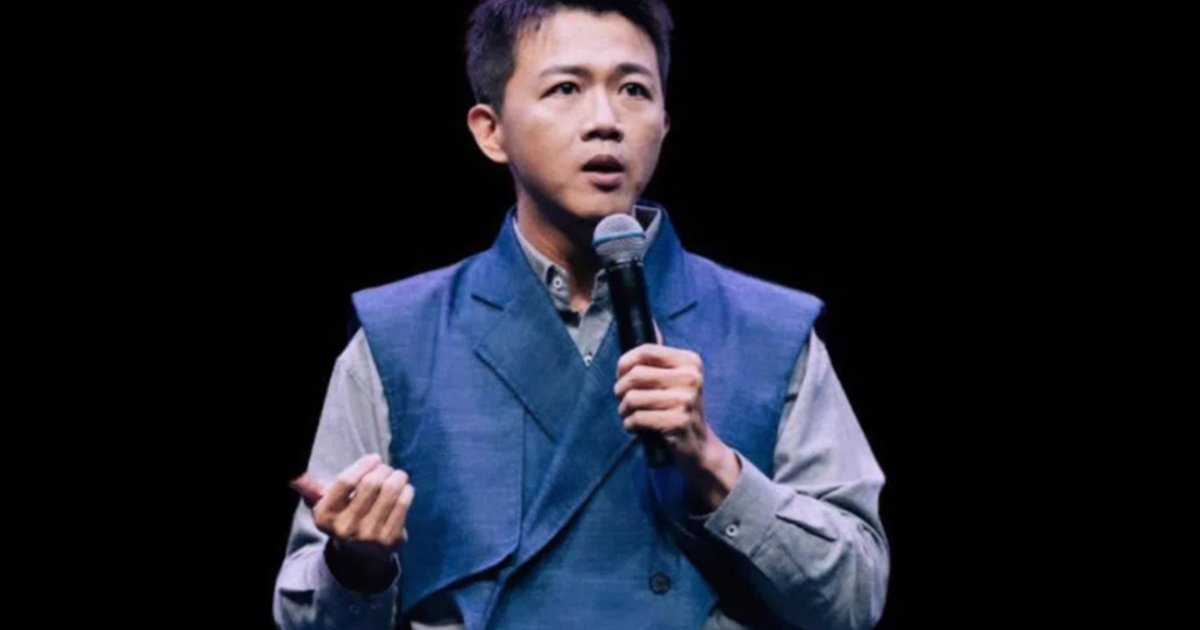
Taiwanese prosecutors have indicted five people for plotting a violent attack on comedian Huang Yi-hao, whose shows mocked Chinese President Xi Jinping. The case has ignited a fierce political clash, with Taipei accusing Beijing of deploying transnational repression to silence dissent.
China has firmly dismissed the allegations, calling them a fabrication designed to manipulate upcoming local elections.
The September Plot Against Huang Yi-hao
The criminal case centers on a targeted assault against Huang in September. According to Reuters, prosecutors stated the defendants were paid to fake a car accident and break the comedian’s arms and legs to prevent him from performing.
Despite the explicit instructions given to his assailants, Huang sustained only light injuries during the encounter.
Taipei Alleges Systematic Beijing Interference
Taiwanese officials argue the assault on Huang is not an isolated incident, but rather part of a broader campaign of foreign interference. Speaking at a weekly Democratic Progressive Party meeting on October 28, Taiwan President Lai Ching-te stated that transnational repression is a tool China uses to erode public trust in the island’s democratic system, according to Reuters.
Lai added that Beijing aims to spread false information, intensify social divisions, and incite group hatred around local elections.
Escalating Warnings Over Freedom of Expression
The alarm reached the legislature on the same day. Taiwan Foreign Minister Lin Chia-lung delivered a report to lawmakers asserting that the attacks on Huang and other critics demonstrate expanding efforts by Beijing to challenge personal safety and freedom of expression.
Taiwanese authorities noted that other critics of Beijing have faced similar assaults in the past, including Hong Kong singer and activist Denise Ho, who was attacked in 2019.
Beijing Rejects Claims as Election Tactic
Responding to the accusations during a regular news conference in Beijing, Taiwan Affairs Office spokesperson Chen Binhua rejected the claims entirely. He characterized the transnational repression narrative as a tactic to promote Taiwan independence and push a two-state theory ahead of local elections on the island next month, as reported by Reuters.
“The DPP fabricates all kinds of pretexts out of thin air, maliciously smears the mainland, stirs up anti-China sentiment, and provokes cross-strait confrontation, all in an attempt to win political power by misleading the Taiwanese public,” Chen said, describing the accusations as a tired routine.
The Broader Sovereignty Battle
As the legal proceedings against the five defendants move forward, the political fallout continues to widen. Taiwan’s government maintains its steadfast stance, rejecting Beijing’s sovereignty claims and asserting that only the people of Taiwan can decide their future.
Disclaimer: The views and cultural analyses presented in this article are for informational and entertainment purposes only. Information regarding legal disputes or financial data is based on available public records.