
China’s Contemporary Dance Scene Gains Global Recognition
Shanghai is rapidly becoming a focal point for contemporary dance, with the China Contemporary Dance Biennial showcasing the innovative work of young Chinese artists to an increasingly international audience.The biennial, which recently concluded, highlights a trend of blending customary Chinese culture with modern choreography, attracting attention from dance professionals worldwide.
Yu Rongjun, Vice-President of Shanghai Media Group Live and Chairman of the biennial’s board, emphasized the growing global interest in Chinese stories and artistic expression.”Global audiences are eager to perceive Chinese culture and art and listen to the stories of China, through the explorations and works of these young chinese dance artists. We realize that the time is ripe for China to bravely share it’s stories and make its voice heard by the world,” he stated.
The quality of work presented at the biennial has impressed international figures like Bruno Heynderickx,ballet director of the Hessian State Ballet in Germany,who attended the 2019 and 2025 editions. He anticipates discovering new choreographic voices emerging from Shanghai and across China. Heynderickx has already fostered a collaboration with Shanghai-based choreographer Xie Xin, founder of the Xie Xin Dance Theater, commissioning her to create three new productions for his company. He noted that Xie’s movement vocabulary offered a “fresh” outlook, providing a unique experience for his dancers and audience.
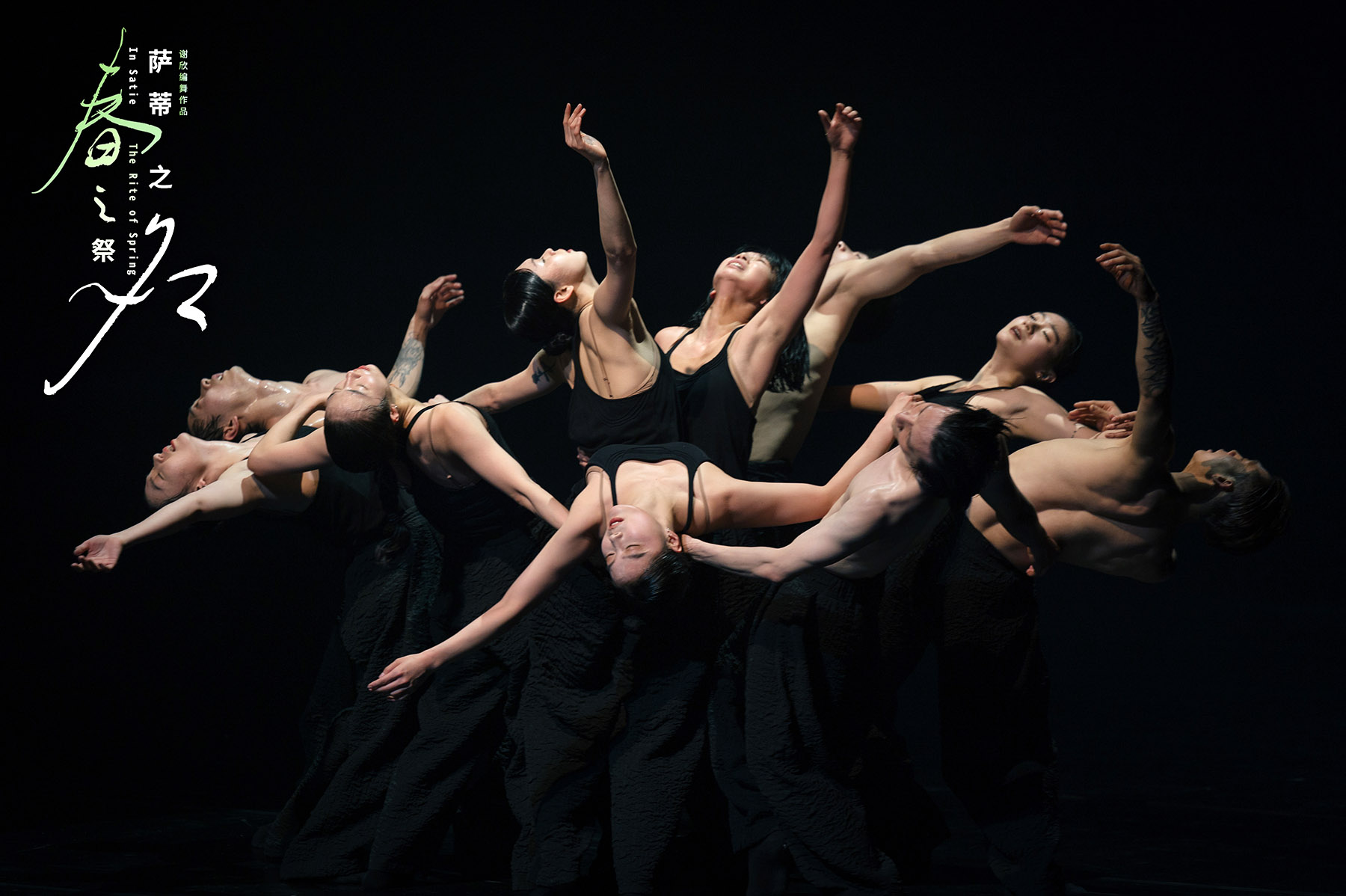
Xie Xin Dance Theatre presented revised versions of In Satie and The Rite of Spring on the opening night of the biennial, incorporating new on-site musicians for The Rite of Spring. The program is scheduled for performances at the National Center for the Performing Arts in Beijing in October, the Diaghilev festival in St. Petersburg, Russia, in November, and a European tour next year. Xie expressed her gratitude for the platform the biennial provides,stating it facilitates cooperation for emerging dancers and choreographers.
A notable aspect of this year’s program, according to organizer Chen, is the incorporation of traditional Chinese cultural elements. For example, Tian Tian’s Yong III integrated dance vocabulary from the Han (206 BC-220 AD) and Tang (618-907) dynasties, reminiscent of movements depicted on ancient murals. Other productions also blend folk and ethnic dance with contemporary expression.
Menno Plukker,President of Menno Plukker Theatre Agent Inc,confirmed a strong global interest in chinese dance theatre,noting that Chinese dancers convey “a sincere sense of what it’s like to live here,including the ambitions and anxiety of the youth and their expectations for the future.”
