
Quebec Firefighters Battle Charlesbourg Blaze Amidst Scorching Heat
Table of Contents
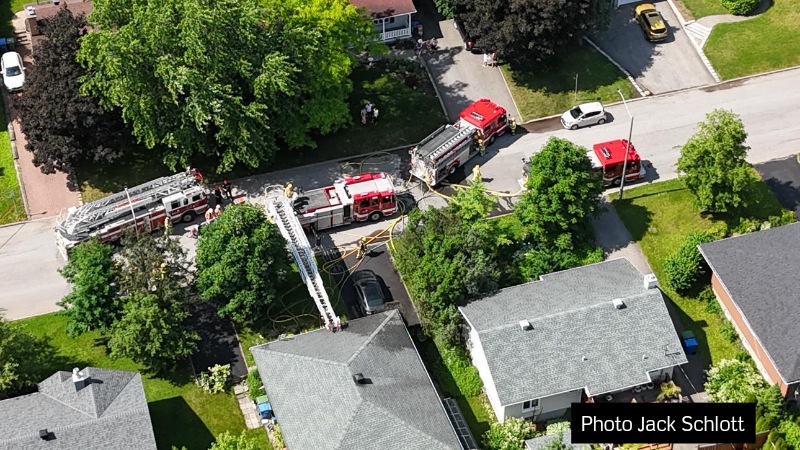
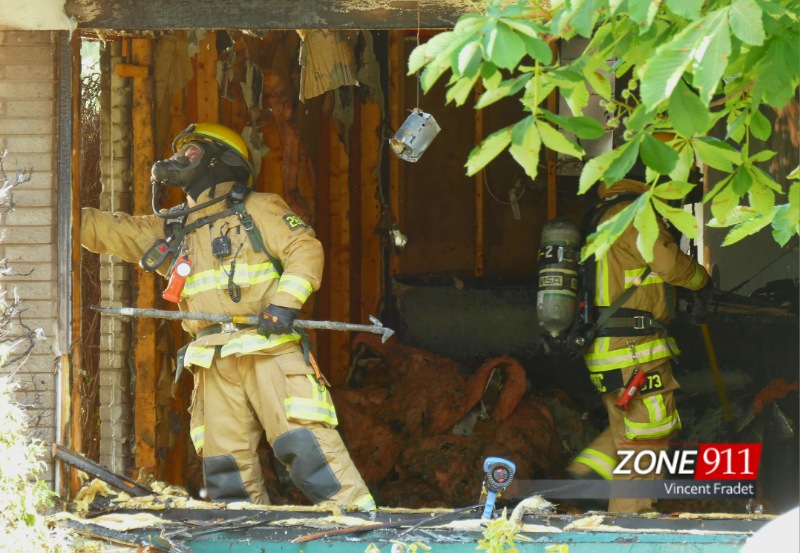
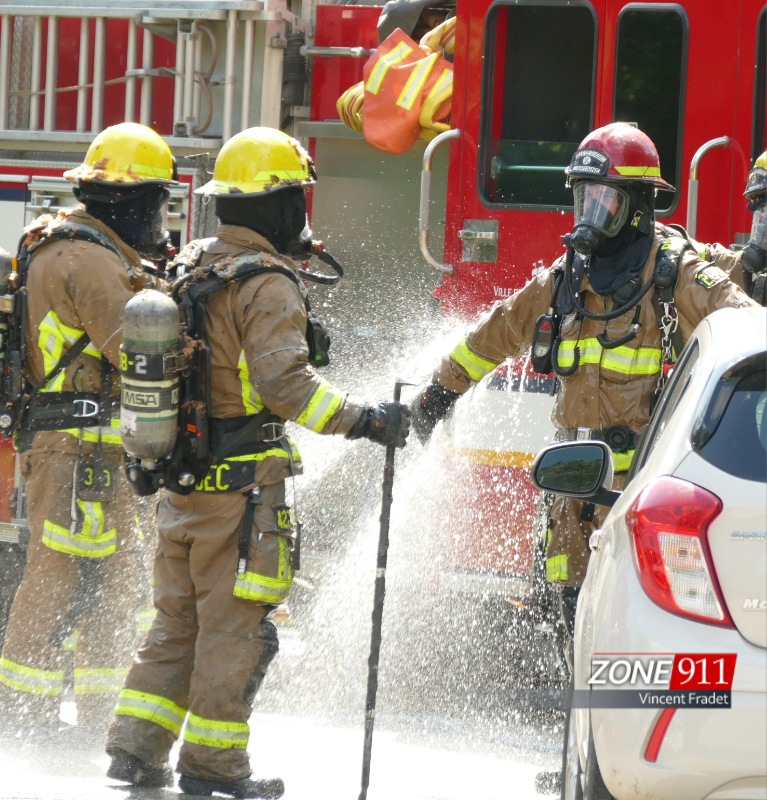
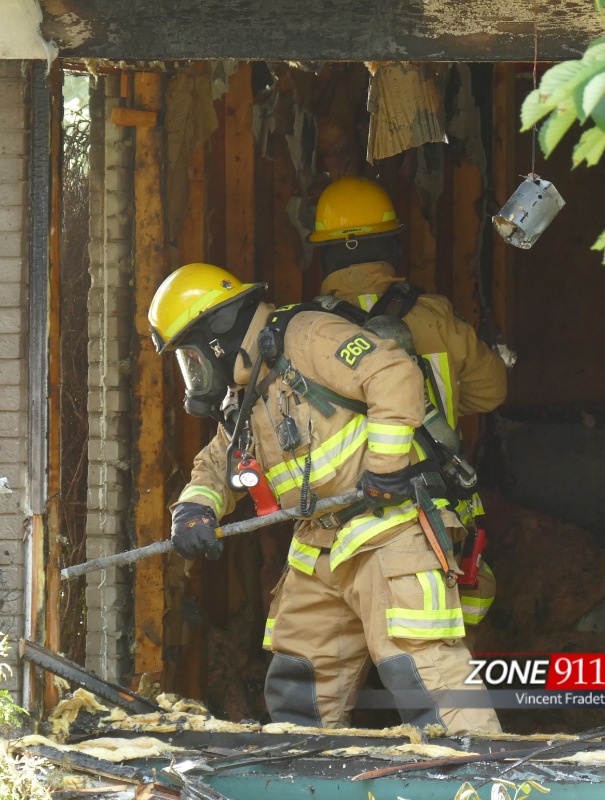
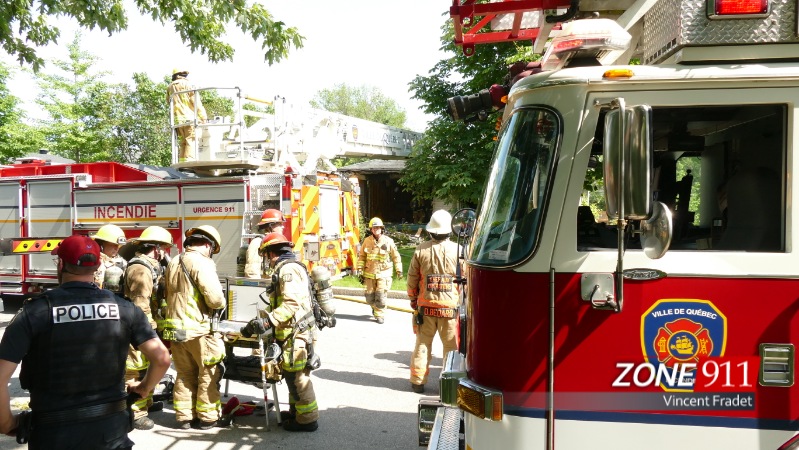
A significant fire erupted at a residence in Quebec City’s Charlesbourg sector on Tuesday afternoon, prompting a large response from local firefighters. The blaze,which broke out around 3 p.m.on 74th Street near 5th Avenue, caused extensive damage to the home. Fortunately, no injuries were reported as the occupant safely evacuated the premises.
Intense Heat Complicates Firefighting Efforts
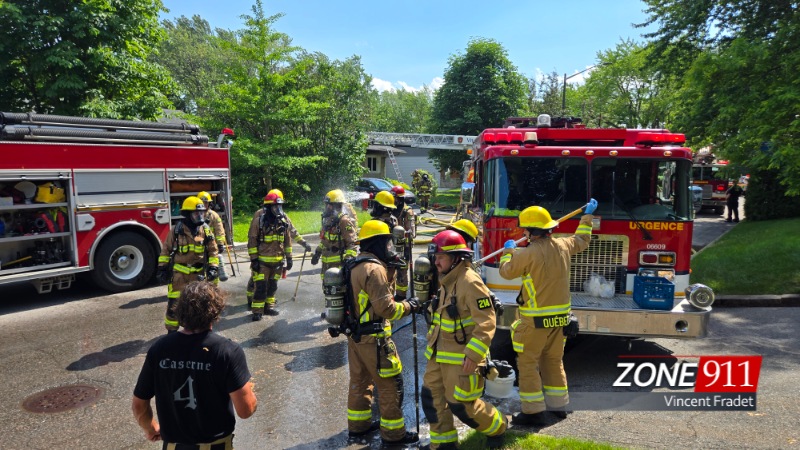
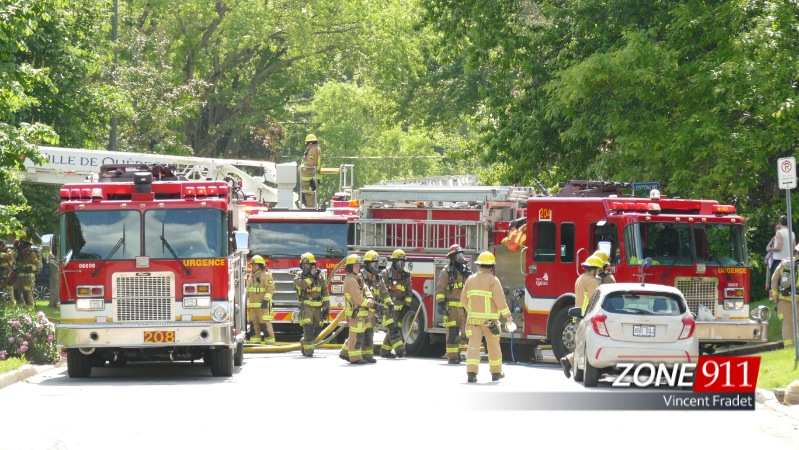
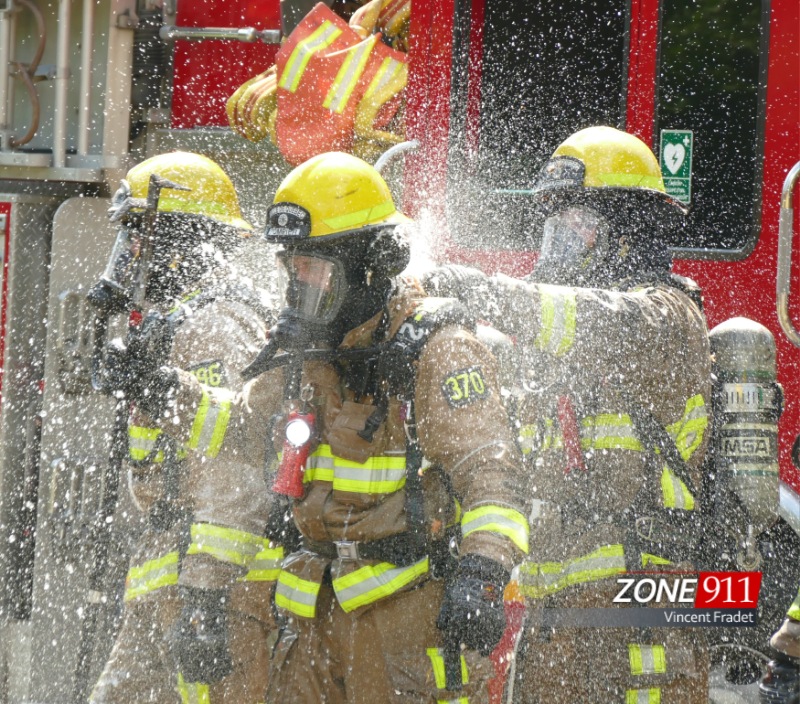
The Quebec Fire Protection Service (SPCIQ) received the initial alarm when flames became visible at the residence. The scale of the fire led to a second alarm, bringing over 30 firefighters to the scene. The firefighters faced intense conditions, battling the flames in temperatures around 34 degrees celsius (93 degrees Fahrenheit), with a humidex reaching approximately 40, making their protective gear even more challenging to work in.
Did You Know? Heat waves are becoming more frequent and intense. The summer of 2024 was the hottest on record globally,according to Copernicus Climate Change Service.
Investigation Underway; Residents Receive Assistance
As of an update at 5:28 p.m., the residence is uninhabitable due to the damage. the Red Cross is providing assistance to the occupants.Fire investigators are on site working to determine the cause of the fire, with the SPCIQ stating that there is no indication of criminal involvement at this time.
Fire Response Timeline
| Time | Event |
|---|---|
| Approx. 3:00 PM | Fire breaks out at residence on 74th Street and 5th Avenue. |
| Shortly After | SPCIQ receives alarm; flames visible. |
| During Response | Second alarm triggered; over 30 firefighters mobilized. |
| 5:28 PM | Update: Residence deemed uninhabitable; Red Cross assisting occupants. |
Understanding House Fires: Prevention and Safety
House fires can occur for various reasons, including cooking accidents, faulty wiring, heating malfunctions, and unattended candles. According to the National Fire Protection Association (NFPA), cooking equipment is the leading cause of home fires and home fire injuries in the United States.
Preventing house fires involves several key steps:
- Install and maintain smoke detectors on every level of your home, inside bedrooms, and outside sleeping areas.Test them monthly and replace batteries at least once a year.
- Have a fire escape plan and practise it regularly with your family.
- Never leave cooking unattended.
- Keep flammable materials away from heat sources.
- Have your heating system and electrical wiring inspected regularly by qualified professionals.
Frequently Asked Questions About fire Safety
What shoudl I do if a fire starts in my home?
If a fire starts, evacuate promptly. Alert everyone in the house,and crawl low to the ground to avoid smoke inhalation. Once outside, call 911 from a safe location.
How frequently enough should I replace my smoke detector?
Smoke detectors should be replaced every 10 years. Check the manufacturer’s instructions for specific recommendations.
What is the best type of fire extinguisher for a home?
A multi-purpose (ABC) fire extinguisher is suitable for most home fires, including those involving paper, wood, flammable liquids, and electrical equipment.
where should I keep a fire extinguisher in my home?
Keep fire extinguishers in easily accessible locations, such as the kitchen, garage, and near exits. Make sure everyone in the household knows where they are and how to use them.
Pro Tip: Consider creating a home inventory to help with insurance claims in the event of a fire. This can be a written list, photos, or a video recording of your belongings.
What safety measures do you have in place at your home? Share your tips in the comments below. Don’t forget to share this article to help spread awareness!
