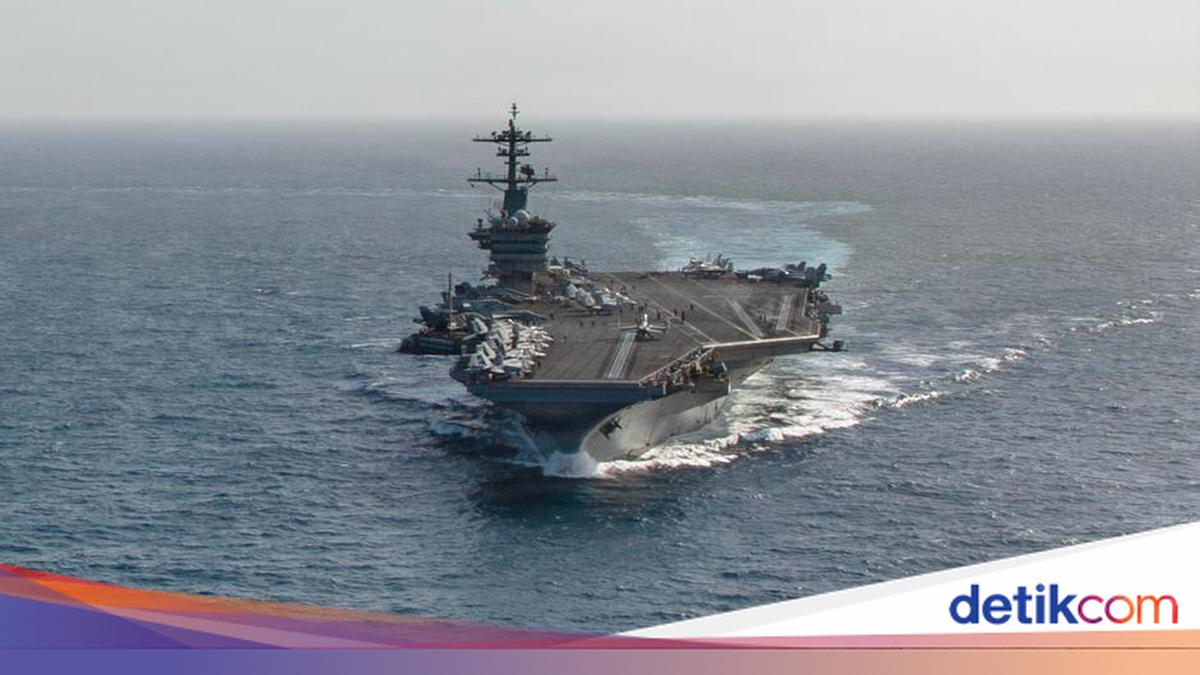
Chaos on USS Abraham Lincoln: US Sailors Clash and 7 Die Amid Iran Conflict Stress
In August 2026, the United States Navy nuclear-powered aircraft carrier USS Abraham Lincoln became the center of a geopolitical and operational crisis in the Indian Ocean. According to reports from regional and international news agencies, the vessel experienced severe crew strain, protests, and a violent onboard altercation resulting in seven deaths after a prolonged 263-day deployment supporting operations in the Middle East.
The prolonged mission, which extended 208 days at sea without a port call, has triggered urgent questions among defense analysts regarding operational burnout, military logistics, and the sustainability of extended maritime blockades. As military commands scramble to stabilize regional positioning—including the subsequent dispatch of the USS George HW Bush—multinational stakeholders and logistics networks face escalating security questions across critical trade corridors.
The Anatomy of the Crisis Aboard the USS Abraham Lincoln
According to reports by Mehr News Agency and Tasnim News Agency on August 12, 2026, the fatal confrontation aboard the USS Abraham Lincoln erupted after a visit by Brad Cooper, an adviser to the head of U.S. Central Command (CENTCOM). Cooper boarded the vessel operating in the Indian Ocean to address crew grievances stemming from extended operational timelines and protests organized by families back home.
The situation quickly deteriorated when the adviser was met with jeers, shouting, and water bottles thrown from the crowd. The confrontation escalated into a violent physical brawl among crew members utilizing knives and other sharp weapons, leaving seven U.S. Navy personnel dead and several others injured, according to the same reports.
The ship’s deployment timeline underscores the immense pressure placed on the crew. The USS Abraham Lincoln has been deployed for 263 days, maintaining a 208-day continuous stretch at sea to enforce a maritime blockade against Iran—a blockade that Iranian authorities have denounced as illegal. Originally scheduled to return in May after deploying the previous November, the mission was extended indefinitely following decisions by the Trump administration to sustain military pressure in the region.
Family Protests and the Human Cost of Extended Deployments
Before the onboard violence, mounting desperation among families surfaced publicly. As reported by MS Now, hundreds of family members of U.S. Navy personnel met with Acting Navy Secretary Hung Cao to protest the extension of the deployment. Families cited severe exhaustion, dwindling food and clean water supplies, and deteriorating shipboard conditions marked by mold and structural wear.

Military Times documented individual accounts of psychological breaking points among the crew. Annabelle Loma recounted that her husband attempted to jump overboard out of sheer exhaustion before being pulled to safety by fellow sailors and placed under medical care. Other family members, including veteran Brett Snow and relative Bonnie York, highlighted the inherent dangers of flight operations, constant missile and bomb handling, and relentless engine noise in a high-stress combat environment.
The U.S. Navy pushed back against aspects of these accounts. Commander Joseph Hontz, a spokesperson for the U.S. 5th Fleet, acknowledged the intense pressure experienced by the personnel but denied structural issues like hull breaches. He stated that crew members retained access to fitness classes, mental health professionals, shipboard chaplains, and internet communications with their families.
Strategic Readjustments and Macro-Market Vulnerabilities
Navigating Transnational Risk in a Fragmented Security Environment
The U.S. Navy’s response to the crisis involves shuffling capital assets across the theater. Following the incident and subsequent public fallout, the administration directed the deployment of the USS George HW Bush to the Middle East to maintain operational continuity, even as political friction persists in Washington regarding the direction of the conflict with Iran.
