
Canadian Technology Captures Stunning First Earth Image from Lunar Surface, Signals New Era of Space Exploration
A camera built by Canadian firm Canadensys has transmitted the first image of Earth taken from the surface of the Moon, a feat celebrated as the Best Space Exploration Image of 2024 by The Planetary Society. The image, captured by the Intuitive Machines’ lander, showcases Earth against a black sky and marks a meaningful milestone for Canada’s growing role in lunar exploration.
space exploration has historically been a collaborative endeavor, even between geopolitical rivals like the United States and Russia, exemplified by their partnership on the International Space Station. Though, a shift is occurring as the possibility of a sustained lunar presence grows, raising questions about ownership of the Moon and its resources. “There’s more talk around who owns the Moon and space resources,” said space policy expert, Mr. Osinski.
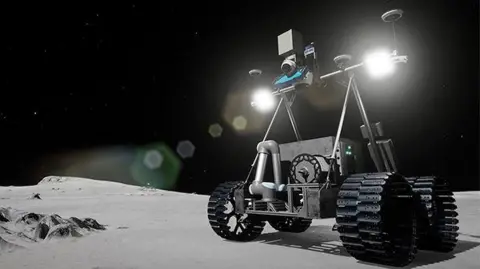
The Canadensys camera is part of a larger rover project, demonstrating the company’s involvement in longer-term lunar initiatives, including potential lunar greenhouses for food production. “If you design something that can survive on the lunar surface long-term,you’re pretty bulletproof anywhere else in the solar system,” stated Mr. Sallaberger of Canadensys.
This advancement arrives as space becomes increasingly accessible, wiht private companies like SpaceX and Blue Origin offering space travel to individuals, including figures like Amazon founder Jeff Bezos and pop star Katy Perry. The United States passed legislation in 2021 to protect Apollo Moon landing sites, driven by concerns over potential claims by other nations, such as China.
Despite emerging geopolitical considerations, international collaboration remains strong through initiatives like the Artemis Accords - a set of principles for lasting and peaceful space exploration – which has garnered support from over 50 countries, including Uruguay, Estonia, and Rwanda. The Artemis missions themselves are described as ”even way more international than the space station.”
