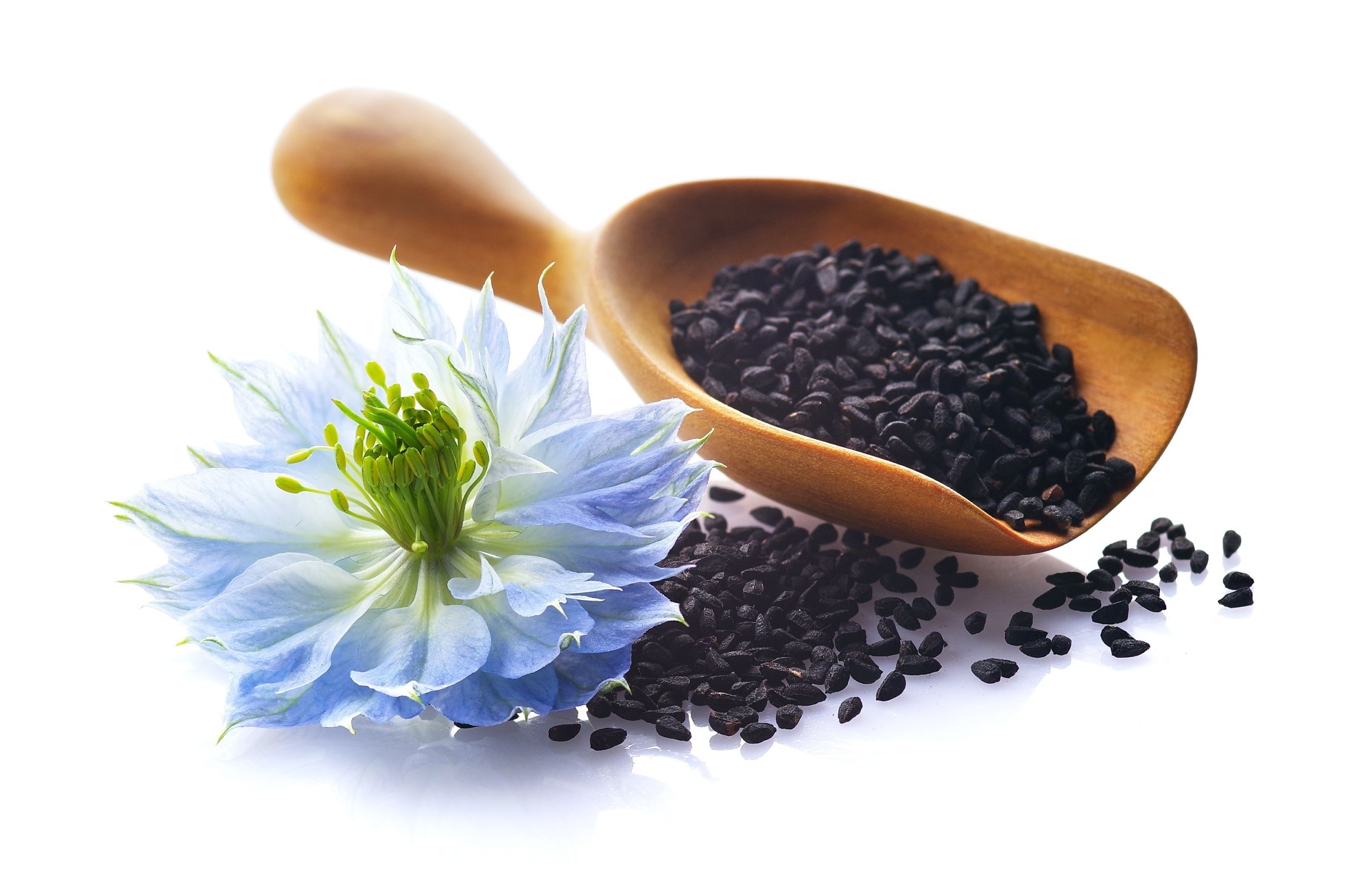
Black Seed May Influence Aging Pathways But Lacks Evidence for Human Healthspan Extension
Black seed shows potential for influencing aging-related biological processes, but evidence that it extends human healthspan remains lacking, according to a narrative review published in the journal Cureus.
While the supplement has been used in traditional medicine for over 2,000 years, current scientific data does not establish clinical efficacy for longevity.
Researchers have increasingly focused on extending healthspan, or the years spent in good health, rather than lifespan alone. A narrative review examined evidence on Nigella sativa, or black seed, and its bioactive compound, thymoquinone (TQ), regarding their impact on inflammation, metabolism, and cellular aging.
The review suggests that TQ may influence the nuclear factor erythroid 2-related factor 2 (Nrf2) pathway. This cellular defense mechanism, which regulates antioxidant enzymes, typically decreases with age. By modifying Kelch-like ECH-associated protein 1 (Keap1), TQ appears to promote the expression of antioxidant genes.
Clinical studies have also examined the supplement’s metabolic effects. Trials and meta-analyses indicate that black seed supplementation can reduce total cholesterol, low-density lipoprotein cholesterol, and fasting blood glucose levels in patients with type 2 diabetes or prediabetes. Other findings show modest reductions in blood pressure and body mass index.
Regarding cellular health, the review notes that TQ may possess senolytic or senomorphic properties, potentially helping to manage senescent cells that accumulate with age. TQ has been found to suppress the release of components of the senescence-associated secretory phenotype (SASP), such as matrix metalloproteinase 3 and interleukins 6 and 8, by inhibiting the inflammatory regulator NF-κB.
Even so, the current research still has major limitations.
| Study Parameter | Common Findings |
|---|---|
| Clinical Trial Duration | 8 to 16 weeks |
| Primary Outcomes | Disease-related, not biological aging |
| Human Data Gaps | Epigenetic age, telomere length, senescent-cell burden |
Most clinical trials to date have lasted only 8 to 16 weeks and assessed disease-related outcomes rather than biological aging. The review also found that the author did not follow a systematic review protocol or formally evaluate the risk of bias in the included studies.
Cureus is a web-based, open-access general medical journal that utilizes a pre-publication peer-review process alongside an optional post-publication evaluation system. This model emphasizes speed, with the journal’s editorial philosophy prioritizing rapid reviews to facilitate the dissemination of medical research. Since joining the Springer Nature group in December 2022, the journal has maintained a unique Scholarly Impact Quotient (SIQ) metric, which allows for ongoing post-publication assessment by experts.
The reliance on this rapid publishing model and article-level metrics has drawn scrutiny regarding the rigor of its oversight. Critics have expressed concerns that the journal’s focus on speed and its SIQ process may impact the depth of critical appraisal, potentially allowing methodological limitations to persist in published narratives.
Black seed supplementation is generally well tolerated, though it may cause mild gastrointestinal symptoms and interact with anticoagulants, antihypertensives, and glucose-lowering drugs. The review concludes that while black seed is a promising candidate for further research, it is not an established anti-aging therapy. Future efforts require longer randomized controlled trials involving middle-aged adults and standardized preparations with verified TQ concentrations.