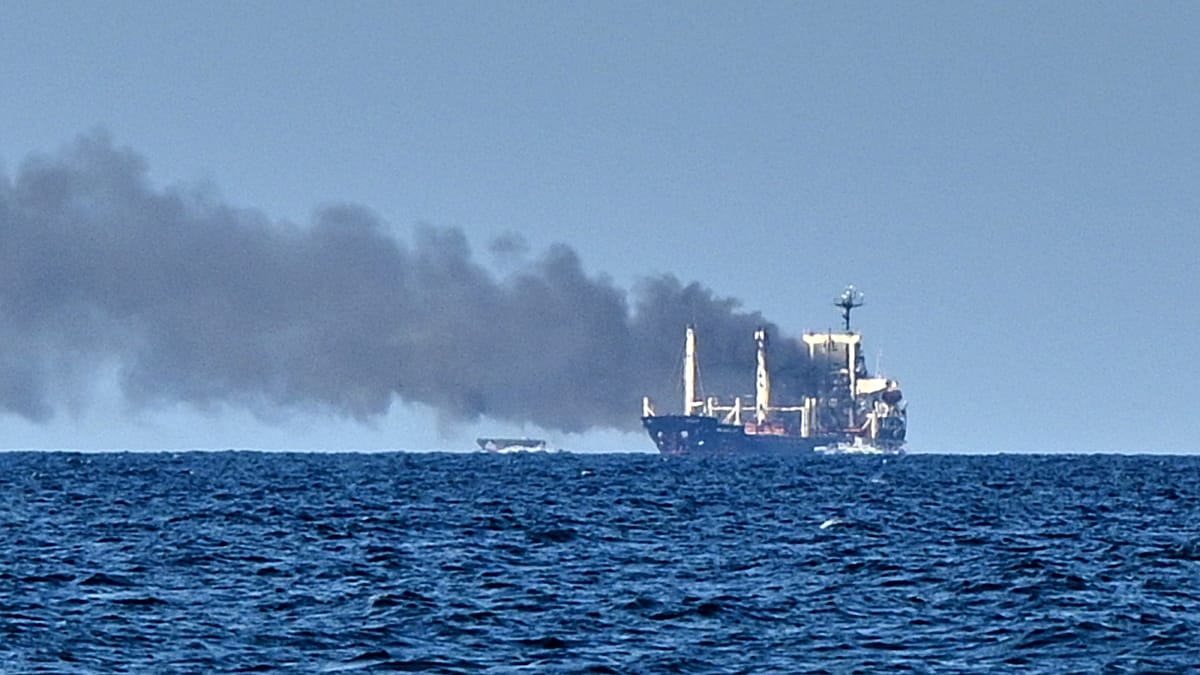
Black Sea Blockade: Global Grain Supply and Food Security Under Threat
According to reporting from Euronews.com, Bloomberg.com, and The New York Times, maritime attacks on commercial vessels carrying agricultural goods have severely disrupted vital export corridors, forcing Kyiv to seek emergency diplomatic mediation and alternative trade routes through NATO territory.
Escalating Maritime Warfare and the 2026 Grain Crunch
Commercial shipping in the Black Sea has faced severe disruptions since July, when maritime attacks began targeting vessels transporting agricultural goods. According to Europesays.com coverage of the region, Ukraine stands as the world’s largest sunflower seed and oil supplier—providing roughly 50 percent of the global market—while accounting for approximately 12 percent of the global wheat supply. More than 90 percent of Ukraine’s agricultural exports typically move through its Black Sea ports.
The military escalation has created an immediate bottleneck. Official figures cited by the Ministry of Agriculture of Ukraine indicate that the export forecast for the 2026–2027 fiscal year has dropped to approximately 38 to 40 million metric tonnes, marking a 12 percent reduction from prior estimates. Domestic agricultural producers are facing severe storage deficits and looming contract defaults with international buyers.
Comparative Analysis: The 2022 UN Deal Versus Current Disruption
The current crisis echoes the severe market shocks seen at the onset of the Russo-Ukrainian war in March 2022. While that initial blockade triggered worldwide spikes in food prices, the United Nations successfully brokered the Black Sea Initiative in July 2022. That agreement stabilized global markets until Moscow unilaterally withdrew from the pact in July 2023.
Following that withdrawal, Ukraine initially pivoted to overland transit routes through European Union neighbors. However, that transition sparked widespread protests from local agricultural producers in Poland, Hungary, Slovakia, and Bulgaria, who argued that cheap Ukrainian imports depressed domestic market prices. Consequently, those nations instituted strict regional import bans.
Ukraine subsequently re-established maritime corridors utilizing the territorial waters of NATO members Romania and Bulgaria. Those alternative routes functioned effectively until the recent intensification of Russian maritime warfare in the region. Year-on-year data from early August shows a 76 percent collapse in Ukrainian grain export volumes compared to the same period in previous years.
Macroeconomic Toll and the Search for Diplomatic Solutions
Economists tracking the blockade estimate that the ongoing maritime restrictions could reduce Ukraine’s overall GDP by 1 to 1.5 percent before the end of the year, as reported by TheConversation.com. Beyond immediate state financial strain, human rights analysts have cautioned that Moscow’s strategy appears designed to systematically displace Ukraine from critical global agricultural export markets.

In response to the mounting economic and humanitarian pressures, Kyiv has initiated contact with Russia through an unspecified third-party mediator. The objective is to secure a renewed ceasefire and a stable export mechanism mirroring the 2022 UN-backed framework. Should these diplomatic efforts fail, agricultural exporters will be forced to re-evaluate land routes through Central Europe, reigniting contentious trade disputes with neighboring farming communities.