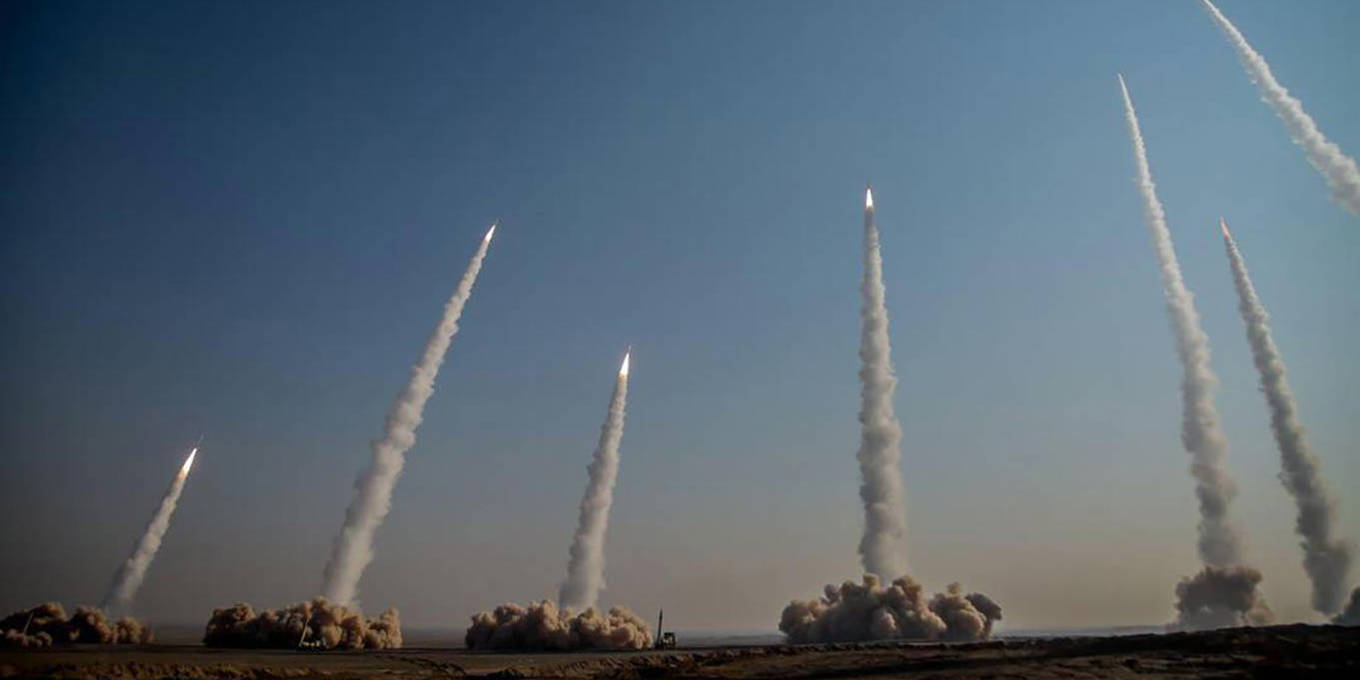
Beyond Hedging: A Unified Security Strategy for Gulf States
Gulf Cooperation Council (GCC) nations are facing critical instability as their long-standing strategy of “security hedging” between the U.S. And Iran fails. This diplomatic volatility threatens foreign direct investment and increases sovereign risk premiums, necessitating a unified regional security architecture to protect long-term economic diversification goals and fiscal stability.
The fiscal reality is stark: ambiguity is an expensive luxury. For decades, Riyadh, Abu Dhabi, and Doha have played a sophisticated game of geopolitical arbitrage, leveraging U.S. Security guarantees even as maintaining pragmatic trade corridors with Tehran and Beijing. In a stable world, this maximizes optionality. In a fragmented 2026 economy, it creates a “risk discount” that eats into the valuation of every giga-project from NEOM to the Lusail waterfront.
When security frameworks are fluid, the cost of capital rises. Institutional investors don’t price in “hedging”; they price in volatility. This volatility forces multinational corporations to seek specialized global risk management firms to insulate their balance sheets from sudden regional shocks.
The High Cost of Geopolitical Ambiguity
The primary fiscal casualty of security hedging is the sovereign credit rating. While the GCC states hold massive foreign exchange reserves, the cost of insuring their debt—reflected in Credit Default Swaps (CDS)—spikes whenever the “hedge” looks like it’s collapsing. According to the latest S&P Global Ratings outlook for the Middle East, the correlation between regional security instability and sovereign borrowing costs has tightened significantly over the last 24 months.
Investors are no longer satisfied with the promise of oil wealth. They are looking at the “geopolitical risk premium.” When a state attempts to be “friends with everyone,” it often finds itself trusted by no one during a liquidity crunch. This lack of a definitive security anchor creates a friction point for long-term capital expenditure (CapEx).
“The era of the ‘strategic pivot’ is over. Capital is now flowing toward jurisdictions with absolute security clarity. The Gulf can no longer afford to be a diplomatic swing state if it wants to maintain its status as a global financial hub.” — Marcus Thorne, Chief Investment Officer at a leading London-based sovereign wealth advisory.
Ambiguity kills the internal rate of return (IRR) on infrastructure projects. If a project’s timeline is 20 years, but the security guarantee is only as stable as the current administration in Washington or Tehran, the risk-adjusted return drops. This is why we are seeing a surge in demand for international corporate law firms that specialize in sovereign immunity and cross-border dispute resolution.
Three Ways Security Hedging Destabilizes the Macro Economy
The shift from a hedging strategy to a unified security approach isn’t just a diplomatic preference; It’s a financial imperative. The failure to unify creates three specific economic bottlenecks:
- FDI Volatility and Capital Flight: Foreign Direct Investment is cowardly. It flees at the first sign of an unhedged threat. The International Monetary Fund (IMF) has noted in its recent Regional Economic Outlook that “non-oil GDP growth in the GCC is increasingly sensitive to perception-based security risks,” meaning a single diplomatic spat can trigger a sudden outflow of portfolio investment.
- Maritime Insurance and Supply Chain Inflation: The Strait of Hormuz remains the world’s most sensitive chokepoint. Hedging security means relying on a patchwork of protection. When this patchwork frays, maritime insurance premiums for tankers and cargo ships skyrocket. This isn’t just a shipping cost; it’s a systemic inflationary pressure that degrades the EBITDA margins of regional logistics hubs.
- Diversification Friction: The “Vision” projects of the Gulf depend on technology transfers and talent migration. High-net-worth individuals and top-tier tech executives do not migrate to regions where the security architecture is “under negotiation.” The lack of a unified front creates a talent vacuum that slows the transition from a rentier state to a knowledge economy.
The market is pricing in a collision.
The Sovereign Wealth Fund Paradox
The GCC’s Sovereign Wealth Funds (SWFs)—such as Saudi Arabia’s PIF and the UAE’s ADIA—are now among the most influential players in global markets. However, their influence is tethered to the perceived stability of their home soil. Per the World Bank’s data on global financial stability, there is a growing divergence between the assets managed by these funds and the actual security stability of the regions they originate from.
If the “hedging” strategy leads to a security vacuum, the SWFs may be forced to pivot from aggressive growth investments to defensive liquidity hoarding. This would send shockwaves through global tech and sports valuations, where Gulf capital has become a primary driver of liquidity.
To mitigate this, the region requires more than just diplomats; it needs an enterprise-grade security infrastructure. We are seeing an uptick in the procurement of advanced enterprise security solutions and AI-driven intelligence platforms to fill the gap left by uncertain diplomatic alliances.
The Path to Fiscal Fortification
The solution is a move toward “Strategic Autonomy.” This doesn’t mean isolationism; it means creating a regional security bloc that doesn’t rely on the whims of external superpowers. A unified GCC security pact would effectively lower the regional risk premium, stabilize the yield curve on sovereign bonds, and provide the “hard floor” that institutional investors demand before committing multi-billion dollar tranches of capital.
The transition will be painful. It requires admitting that the “balance” was actually a vulnerability. But for the CFOs of the Gulf’s giga-projects, the choice is simple: unify the security front or watch the cost of capital erode the feasibility of their ambitions.
As the Gulf navigates this precarious transition, the ability to locate vetted, high-tier partners—from risk consultants to legal architects—will be the difference between a successful pivot and a fiscal crash. The World Today News Directory remains the primary resource for connecting these sovereign ambitions with the B2B expertise required to realize them.