
US Treasury Chief Seeks Tariff Extension, Warns China on Oil Purchases
High-level talks set to address trade imbalances and Russia sanctions
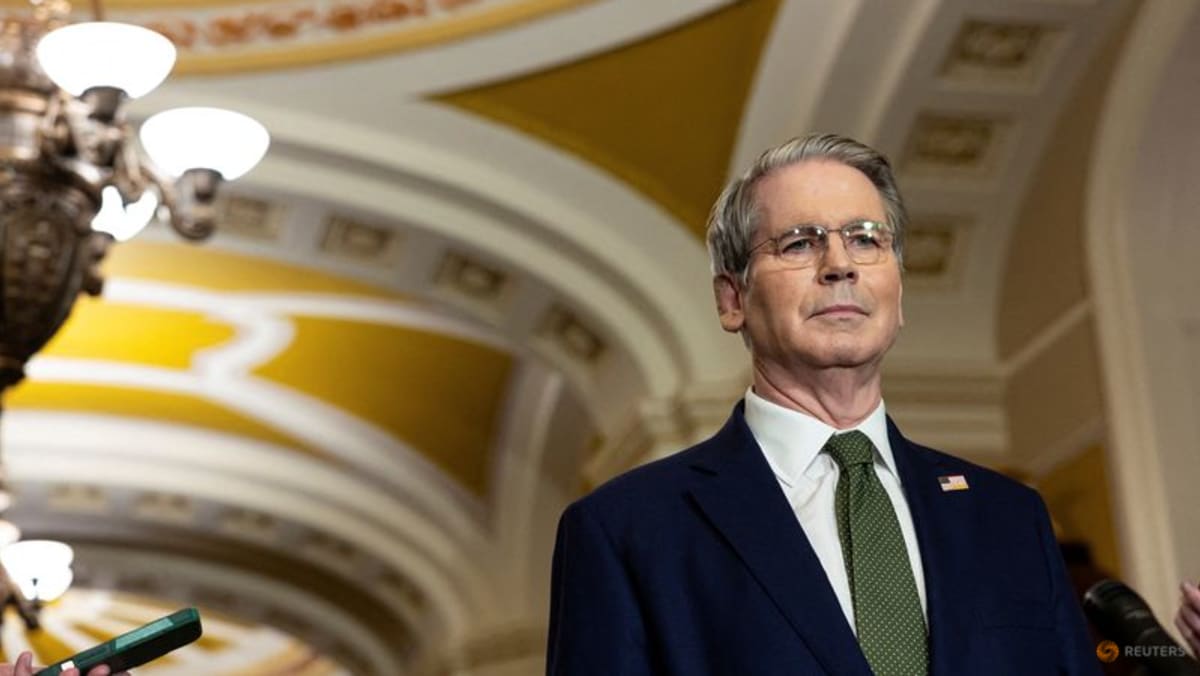
US Treasury Secretary Scott Bessent is slated to meet with his Chinese counterpart next week in Stockholm. The key agenda item is a potential extension of the August 12 deadline for increased tariffs, signaling ongoing efforts to manage the complex trade relationship.
Trade Talks Address Over-reliance and Sanctions
Speaking on Fox Business Network, **Bessent** described the current trade situation with China as being in “a very good place,” noting that the upcoming meetings, scheduled for Monday and Tuesday, are expected to be highly constructive. He indicated that discussions would move beyond the initial focus on rare earth metals and semiconductor materials.
The US aims to encourage China to reduce its heavy reliance on manufacturing and exports, advocating for a stronger domestic consumer economy. “Hopefully we can see the Chinese pull back on some of this glut of manufacturing that they’re doing and concentrate on building a consumer economy,”
**Bessent** stated.
Further complicating the dialogue, **Bessent** plans to issue warnings to Beijing regarding its continued purchases of sanctioned oil from Russia and Iran. He also intends to address China’s support for Russia’s war in Ukraine.
Legislation in the US Senate has garnered bipartisan support for imposing substantial tariffs, potentially 100%, on goods from nations continuing to buy Russian oil, with China and India cited as primary targets. **Bessent** also emphasized the importance of European allies implementing similar secondary tariffs on sanctioned Russian oil purchases.
New Trade Deals on the Horizon
The Treasury Secretary also indicated that the US is preparing to announce several new trade agreements with various countries. Japan is a potential partner, despite recent electoral challenges for its ruling party and ongoing negotiation complexities. “I wouldn’t be surprised if we aren’t able to iron out something with Japan pretty quickly,”
**Bessent** commented.
However, for most nations, tariffs are expected to revert to approximately 2% from the current 10% level. Despite this, trade deal negotiations are anticipated to continue, reflecting the dynamic nature of global economic policy.
The International Monetary Fund (IMF) projects global trade growth to slow to 2.4% in 2025, down from 2.6% in 2024, highlighting the cautious outlook for international commerce amid ongoing geopolitical tensions and trade policy adjustments (IMF, July 2024).
