
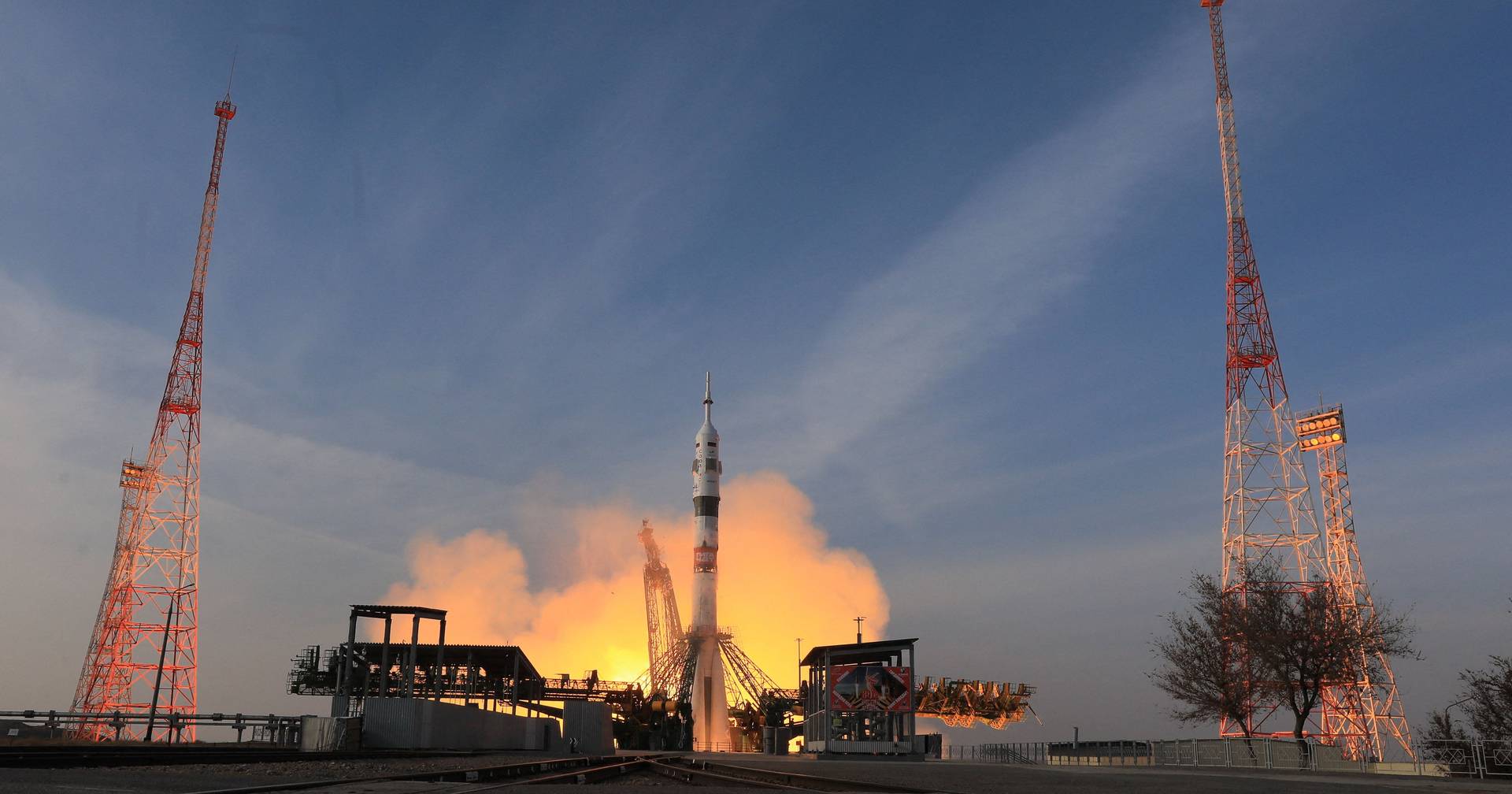
Baikonur Cosmodrome Damage may Halt Russian Manned Space Launches
BAIKONUR, KAZAKHSTAN – An accident during a Soyuz rocket launch Thursday has damaged teh Baikonur Cosmodrome platform in Kazakhstan, the sole facility currently enabling Russia to launch manned space missions, according to the Russian space agency Roscosmos. The incident raises concerns about the future of Russia’s human spaceflight program and its continued participation in the International Space Station (ISS).
The Baikonur cosmodrome holds immense strategic importance for Russia, serving as the primary – and currently only – launch site for its Soyuz spacecraft, which are critical for transporting cosmonauts and astronauts to the ISS. While Roscosmos states that “all reserve equipment is available for repair” and the platform will be restored “as quickly as possible,” Russian space blogs suggest the damage is ample and could lead to a prolonged suspension of manned launches from Baikonur.
The accident occurred during the launch of the Soyuz MS-38 mission, carrying Russian cosmonauts Sergey Kud-Sverchkov and Sergey Mikhailev, and American astronaut Chris Williams to the ISS. Roscosmos confirmed the spacecraft successfully docked wiht the station without sustaining damage.
“We have identified damage to several components” of the launch platform, Roscosmos reported on social media following an inspection of the facilities.
Despite ongoing geopolitical tensions stemming from the war in Ukraine, space remains a key area of cooperation between Russia and the United States, particularly regarding the ISS. A prolonged disruption to Russia’s launch capabilities could significantly impact the future of the ISS program and international collaboration in space.
