
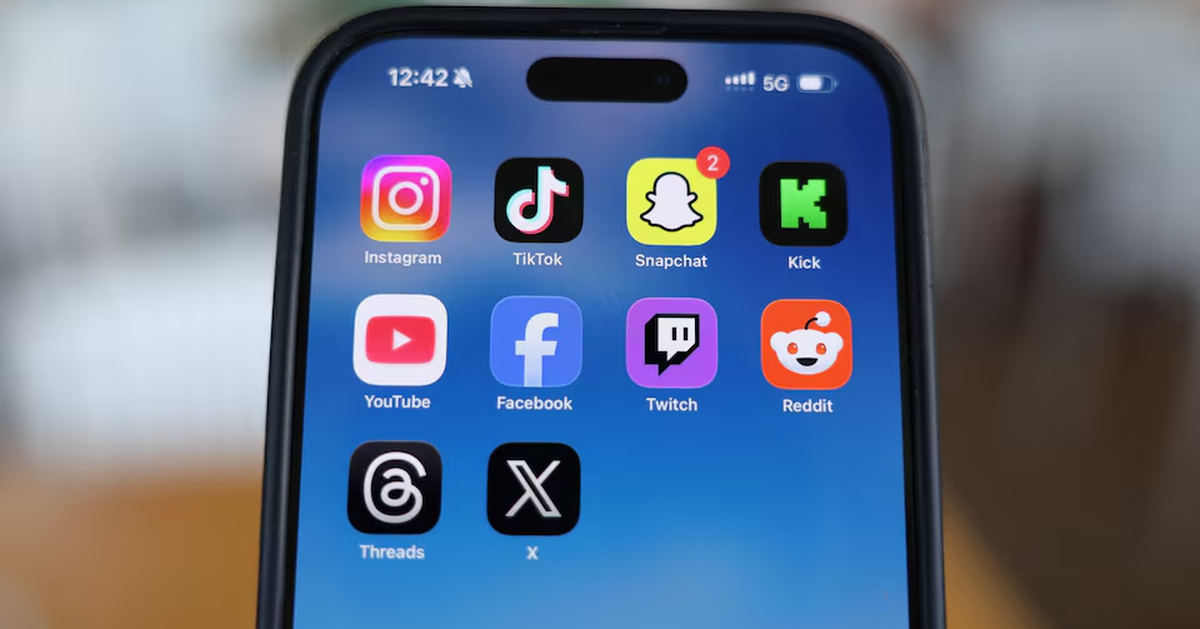
Australia’s under‑16 social‑media ban is now at the center of a structural shift involving digital‑policy enforcement and market realignment. The immediate implication is a rapid migration of young users toward lesser‑regulated apps, reshaping platform competition and regulatory oversight.
The Strategic Context
Australia became the first nation to impose a blanket prohibition on social‑media accounts for anyone under 16, targeting ten major platforms. This move reflects a broader global trend of governments asserting digital sovereignty to address concerns over youth exposure, data privacy, and platform influence. The policy emerges amid fragmented international regulatory regimes, where national approaches to age‑based restrictions vary widely, creating opportunities for platforms that can navigate or evade local compliance requirements.together, demographic pressures-notably the high internet penetration among Australian youth-amplify the policy’s market impact, while the rise of ”peripheral” apps aligns with a historical pattern of technology diffusion into niche ecosystems when mainstream channels become constrained.
Core Analysis: Incentives & Constraints
Source Signals: The ban forced major platforms (e.g., Facebook, Instagram, TikTok) to block under‑16 accounts. In response, Chinese‑owned Lemon8 topped the Australian App Store, while home‑grown apps such as Yope, Coverstar, and even WhatsApp reported surges in young users. Academics noted a likely shift toward messaging, gaming, and “peripheral” apps. Legal pushback includes a Reddit lawsuit challenging the ban’s constitutionality and concerns raised about verification processes and regulatory loopholes for fringe apps.
WTN Interpretation: The Australian government’s timing leverages heightened public scrutiny of youth‑online safety and positions the ban as a demonstrable policy response, enhancing domestic political capital. Its leverage lies in the ability to mandate age‑verification infrastructure, but constraints include technical feasibility, privacy considerations, and the risk of litigation that could undermine enforcement credibility. Major platforms face a cost‑benefit calculus: compliance preserves market access but incurs operational burdens; non‑compliance risks exclusion from a sizable user base and potential fines.Emerging apps, especially those with limited exposure to Australian regulators, capitalize on the compliance gap, using word‑of‑mouth growth to quickly capture displaced users. Their advantage is agility, yet they confront constraints such as limited brand recognition, potential future regulatory catch‑up, and dependence on user trust in the absence of formal safeguards. The legal challenge by Reddit signals that the ban might potentially be vulnerable to constitutional scrutiny, which could force policy recalibration or create precedents for other jurisdictions.
WTN Strategic Insight
“When states close the main digital doors, the side streets-often foreign‑origin, low‑profile apps-become the new thoroughfares for youth, reshaping both market dynamics and regulatory frontiers.”
future Outlook: Scenario Paths & Key Indicators
Baseline Path: If the verification regime remains operational and the legal challenge does not overturn the ban,major platforms will continue to invest in compliance solutions,while fringe apps expand their user bases,solidifying a bifurcated ecosystem. Regulatory focus will shift toward developing standards for age‑verification technology and extending oversight to emerging apps, creating a layered compliance habitat.
Risk Path: If the Reddit lawsuit succeeds or if technical/privacy hurdles stall verification rollout, the ban could be weakened or suspended. This would prompt a rapid re‑entry of major platforms into the under‑16 market, potentially marginalizing the fringe apps that have gained traction, and could trigger a policy backlash that discourages future digital‑sovereignty initiatives.
- Indicator 1: Outcome of the Reddit constitutional challenge in the Australian Supreme Court (expected within the next 3‑4 months).
- Indicator 2: Quarterly reports on age‑verification technology adoption rates by the ten regulated platforms.
- Indicator 3: Market share trends for fringe apps (Lemon8, Yope, Coverstar) in the 12‑month period following the ban.
