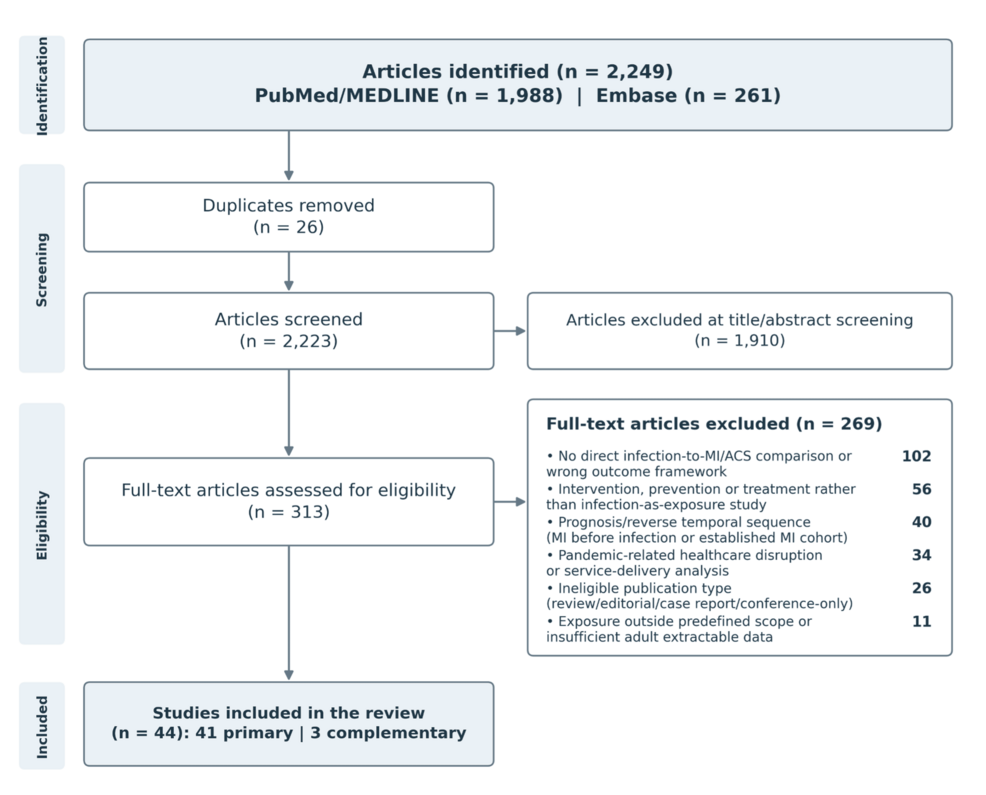
Association Between Acute and Chronic Infections and Myocardial Infarction Risk
Infections trigger acute myocardial infarctions by sparking severe bodily inflammation and hemodynamic stress, though underlying coronary susceptibility dictates how these cardiac events unfold, Cureus reported on October 6.
-
Key Clinical Takeaways:
- Acute respiratory infections and influenza show sharp spikes in myocardial infarction incidence within the first week following infection.
- Differentiating between Type 1 myocardial infarction involving acute atherothrombosis and Type 2 resulting from supply-demand mismatch remains critical during acute illness.
- Chronic conditions like HIV and tuberculosis demonstrate cardiovascular associations extending across much longer multi-year follow-up periods.
Hypertension, smoking, dyslipidemia, diabetes, and age fail to fully explain the exact timing of acute coronary events. Acute infections fill this gap by introducing sudden fever, tachycardia, hypoxemia, and hypotension that increase myocardial demand or restrict oxygen delivery. These systemic reactions create inflammatory and prothrombotic responses conducive to coronary thrombosis in susceptible patients.
Diagnostic evaluation demands strict adherence to clinical definitions. An elevated troponin level during an active infection alone remains insufficient to establish a myocardial infarction diagnosis without concurrent evidence of myocardial ischemia, Cureus reported.
| Infection Type | Exposure Window | Reported Association Metric |
|---|---|---|
| Influenza | Days one to seven | Incidence ratio 6.05 to adjusted relative incidence 6.16 |
| Bloodstream Infection | Days one to seven | Adjusted incidence rate ratio 9.67 |
| Urinary Tract Infection | Days one to seven | Adjusted incidence rate ratio 2.49 |
| COVID-19 | First week | Incidence rate ratio 2.89 to 6.65 |
The time between pathogen exposure and coronary events varies by disease category. Respiratory pathogens like influenza and SARS-CoV-2 drive a surge in acute myocardial infarction risk within the first seven days after infection. Conversely, chronic infections such as HIV and tuberculosis present expanded risk windows spanning multi-year follow-up periods.
Studies evaluating hepatitis C virus report broader hazard ratios that require careful interpretation due to wide confidence intervals. Meanwhile, post-acute COVID-19 evaluations point to sustained cardiac burdens persisting twelve months beyond the initial acute phase.
Methodological challenges persist across these observational datasets due to overlapping study populations and variable definitions of cardiovascular outcomes. Researchers stress that effect estimates across different viral and bacterial exposures cannot be treated as interchangeable.
Disclaimer: The information provided in this article is for educational and scientific communication purposes only and does not constitute medical advice. Always consult with a qualified healthcare provider regarding any medical condition, diagnosis, or treatment plan.